The absurdity of tournament suspensions
Let’s get one thing straight: if you qualify for a major tournament final, the best players on both rosters should be on that pitch. It shouldn't matter if some referee in the semi-final decided that a stray elbow or a tactical foul warranted a yellow card. Yet, here we are in 2026, still clinging to rules that feel like they were written by accountants who have never actually kicked a ball on a Sunday morning, let alone in a stadium packed with 80,000 screaming fans.
We are currently looking at a scenario where a hard-nosed defensive midfielder could pick up a booking for a routine challenge on an attacker. If that's their second yellow of the knockout stages, they are sitting in the stands wearing a suit instead of their kit while the title is decided. Imagine watching a World Cup final deprived of a generational talent because of a technicality involving an accumulation of cards. It makes the sport feel smaller than it actually is.
The Paul Gascoigne precedent still burns
History is littered with these heartbreaking moments. The collective trauma of English football fans often traces back to 1990 when Gascoigne famously broke down in tears after picking up a semi-final booking against West Germany. He knew, and we knew, that if England made that final, he would be a spectator. That moment defined the absurdity of the rule for35 years, yet governing bodies act like it’s a necessary law of physics.
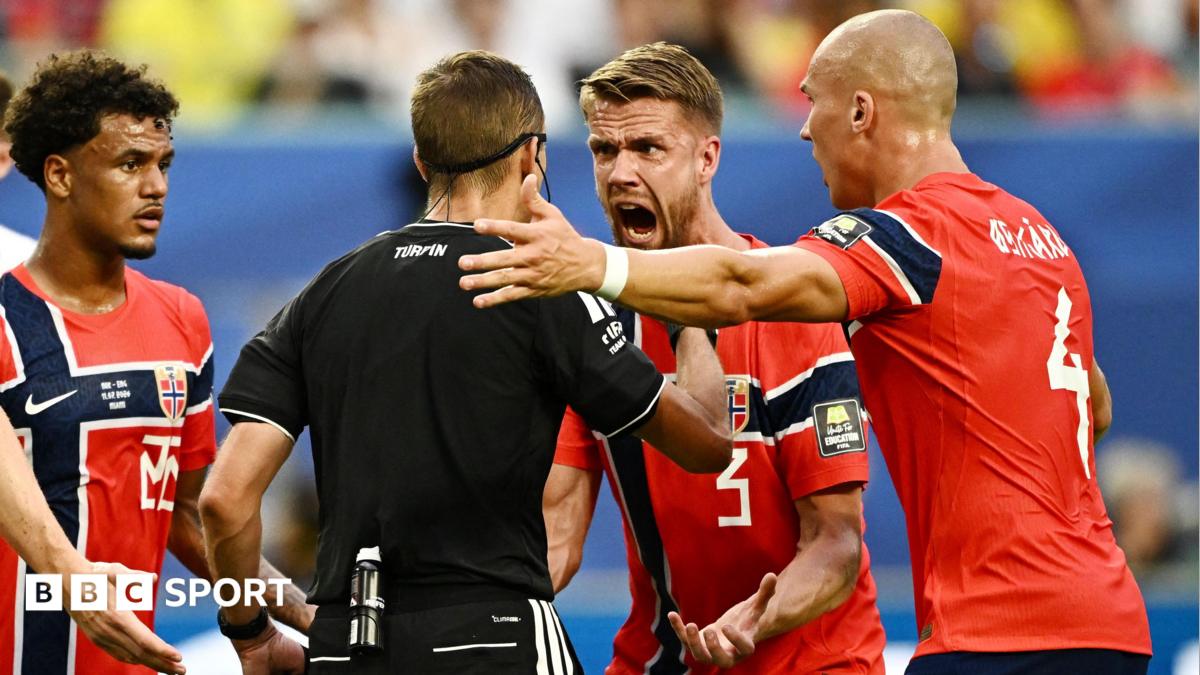
Football is a contact sport that happens at breakneck speed. Referees are human, subject to pressure, angle-of-vision errors, and the occasional rush of blood to the head. When a game turns into a card-fest, it often comes down to the personality of the official rather than the intensity of the play. Do we really want a final decided by an administrative oversight regarding a yellow card from five days prior? It feels like we are watching a game of bureaucratic whack-a-mole rather than the highest level of athletic competition.
Why the current system fails the fans
Proponents of the rule say it forces players to be disciplined. That is a nice sentiment that ignores the reality of modern high-stakes tactics. Players are coached to commit tactical fouls to snuff out counter-attacks before they start. If a player knows they are already on a yellow, they have to play timidly or risk missing the crowning glory of their career. That isn't tactical discipline; that is the sport actively neutering its own intensity.
Look at the way official decisions have historically dominated tournament discourse. When the discussion after a final shifts from a wonder-strike or a masterclass in coaching to who was missing, the competition suffers. We want the best eleven against the best eleven. If someone commits a red-card offense in a semi, send them off. But dangling a suspension over their heads for a collection of yellows is just poor booking.
Time to burn the rulebook
My proposal is simple. Wipe the slate clean after the quarter-finals. If a player hasn't seen red in the semi-final, they should be eligible for the final regardless of their yellow card count. It’s not about giving players a license to hack people down; it’s about ensuring the spectacle doesn't suffer because a guy pulled someone’s jersey in the 64th minute of a previous round's slog.
We saw exactly how thin the margins are when recent fixture congestion led to high-profile exits, like the Trossard departure from Arsenal. We are obsessed with squad depth, paying £17m for bench options because the risk of fatigue and suspension is always hanging over the manager’s head. When the best players aren't on the pitch because of a piece of paper, the soul of the tournament is damaged. It is high time for UEFA and FIFA to stop prioritizing archaic rules over the quality of the product on the pitch.
If we want to keep the fans coming back, we need to respect the players who fight tooth and nail to get to that Sunday night marquee event. Nobody tells their grandkids about the referee who correctly enforced an accumulation suspension. They talk about the goals, the saves, and the legends who stood tall when the pressure was heaviest. Keep the legends on the field and let the games decide the champions, not the disciplinary records.