
The Big Picture: Rebuilding the Emirates Standard
Arsenal is currently moving through a clinical phase of squad refinement. Following a flurry of summer activity, the club is shedding veteran depth to secure younger, high-ceiling assets. This list identifies the key figures defining the current state of Mikel Arteta’s project as of July 2026.
The Ranking: Movers and Shakers
- Bukayo Saka. He remains the non-negotiable anchor of the team’s attacking output. While tactical tweaks have forced him into narrower positions recently, his efficiency in one-on-one isolations is the primary engine of the Arsenal attack. Without him, the system lacks the necessary threat to pull opponents out of their defensive blocks.
- William Saliba. The center-back has transformed into Europe’s most composed ball-playing defender. His recovery speed allows the team to sustain a high defensive line with minimal risk. He is the reason Arteta can commit so many bodies forward without fearing the inevitable counter-attack.
- Martin Odegaard. As the on-pitch leader, his capacity to manipulate space in the final third separates him from traditional creative midfielders. He rarely loses possession under pressure, providing the structure that allows the wingers to flourish. His chemistry with the right-sided overlap is the team's most effective weapon.
- Gabriel Magalhaes. He provides the physical intensity this group occasionally lacks during high-pressure matches. His ability to dominate duels against traditional target men makes him a vital defensive asset. He is effectively the heartbeat of the backline.
- Declan Rice. His arrival shifted the team’s defensive floor, allowing for more aggressive transitions. His versatility allows him to cover massive ground, often acting as a one-man screen when the full-backs over-commit. He is the pivot upon which the entire midfield rotation rests.
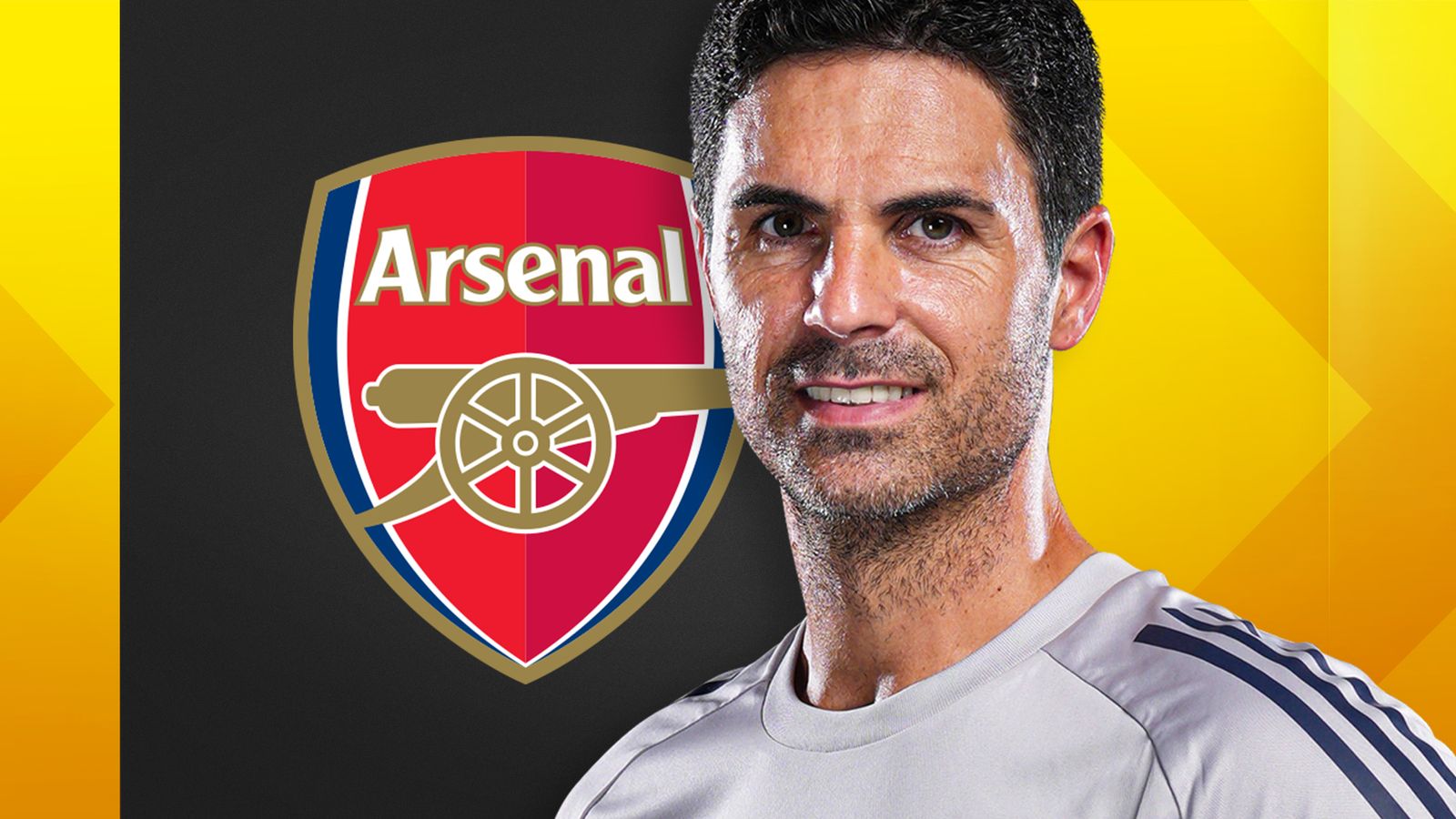
- Mikel Arteta. The manager’s commitment to a specific identity has defined the club's trajectory over the last three seasons. While his lack of alternative tactical plans during late-season collapses continues to draw fair criticism, his vision has restored the team to the top of the table. He is currently presiding over a major squad overhaul phase.
- Bradley Barcola. While the club is actively monitoring his status, he represents the type of high-velocity winger recruitment the team needs to replace outgoing depth. According to recent reports, scouts view his profile as a perfect fit for the current high-pressing regime. Adding him would be a statement of intent regarding attacking pace.
- Morgan Rogers. Arsenal’s clear interest in the player signals a desire to upgrade their creative versatility in the middle-to-final third. He offers a blend of positional discipline and unexpected drive that fits the requirement shift for wide-attacking roles. If secured, he provides the tactical rotation that was missing throughout much of last year.
- Kai Havertz. His transition into the focal point of the attack gave the team a different tactical dimension. While he struggles for consistency against low-block defenses, his aerial presence and off-the-ball movement create massive gaps for his teammates. He is the classic example of a system player proving critics wrong.
- The Scouting Department. The recent focus on younger targets shows a clear long-term strategy, though their failure to offload aging assets earlier remains a frustration. Their ability to find value while managing a high wage bill has kept the club relevant despite recent departures like Leandro Trossard. The £17m fee for his exit to Besiktas, as reported by Sky Sports, is a sign of a tighter financial discipline in 2026.
Critical Observations and Future Outlook
The decision to move on from Leandro Trossard is a calculated gamble. While he provided essential late-game scoring options, his departure, detailed in recent reporting by the Daily Mail, leaves the squad thin on proven Premier League production. It is a harsh reality that the team currently lacks elite depth on the bench, which has doomed them in cup competitions in previous years.
Furthermore, reliance on a thin starting core is a risky bet for a manager demanding constant intensity. As noted in Window Watch updates, competition for young targets is fierce, and Arsenal cannot afford to miss on their primary targets. If these new arrivals do not hit the ground running, the squad will feel the absence of the veterans who were cleared out this summer.
Honorable Mentions
David Raya continues to be a solid choice in goal, even if his distribution occasionally invites unnecessary risk. Ben White deserves credit for his unique evolution, though his defensive shortcomings in one-on-one scenarios against elite pace remain a lingering point of contention for some supporters. The development of younger prospects is steady, yet none have forced their way into the starting XI with consistency required for a title push.
