BBC Sport Launches Daily World Cup Challenge
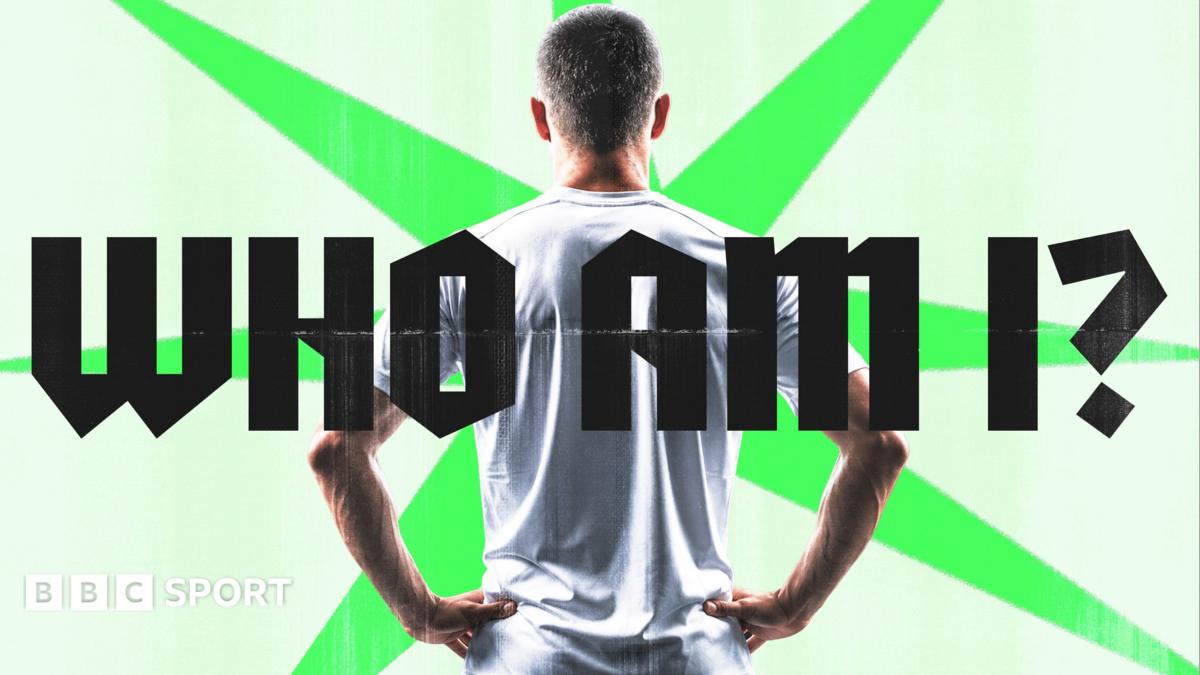
The battle for digital supremacy during the 2026 FIFA World Cup has escalated. BBC Sport officially launched its 24th consecutive daily interactive challenge on July 1, 2026, trying to capture the second-screen audience. The project, titled "Who am I? Guess World Cup star," has emerged as the broadcaster's primary digital asset as linear television viewing numbers continue to fragment across the United Kingdom.
The interactive game, accessible on the official BBC Sport website, presents users with a series of clues to identify iconic footballers from tournament history. BBC Sport's digital leadership team, overseen by Director of Sport Alex Kay-Jelski, initiated this daily feature as part of a wider restructuring of their tournament coverage. The goal is simple: maximize time-on-page metrics during non-match hours when fans seek quick engagement on their mobile devices.
This digital pivot comes as traditional media companies face unprecedented competition from independent creators, social media platforms, and offshore streaming hubs. Broadcasters no longer hold a monopoly on post-match analysis. By offering a gamified experience, the BBC hopes to build daily habits that keep fans within their digital domain rather than migrating to TikTok or Reddit.
The shift in fan consumption habits during the tournament has forced this adaptation. Supporter attention is split between live broadcasts, fantasy leagues, and social media commentary. A static news article no longer commands the same attention span, making interactive features a necessity rather than an optional novelty.
Interactive Strategy Reaches Milestone
The tournament timeline shows how rapidly this strategy has been deployed. The daily challenge series kicked off on June 8, 2026, three days before the opening match of the tournament in Mexico City. Since then, the digital team has published one new player profile every morning, maintaining a perfect record through the group stage and into the high-stakes knockout rounds.
Industry metrics indicate that the project has successfully captured fan attention. Internal sources suggest the daily player quizzes have generated over 12 million page views since their inception. The average user session length on the BBC Sport app has increased by two minutes on days featuring highly debated players, demonstrating the power of interactive trivia over passive text articles.
The design relies on a progressive disclosure mechanic. Users start with a blank entry field and receive incrementally easier clues after each incorrect guess. The clues follow a strict hierarchy, beginning with international caps and World Cup tournament appearances, before moving on to domestic clubs, trophies won, and finally the player's primary position.
This layout encourages repeat attempts, which directly boosts the page's ad impressions and user engagement scores. The simplicity of the loop makes it highly addictive for casual supporters and hardcore enthusiasts alike. By formatting the game as a daily ritual, the broadcaster creates a recurring touchpoint that does not rely on live match schedules.
Digital Warfare in the World Cup Broadcast Market
The timing of this digital push is not accidental. ITV has aggressively marketed its own second-screen hub, which offers real-time tactical camera angles and live chat rooms. Meanwhile, Sky Sports has expanded its transfer center to cover live fan sentiment analysis. BBC's response is this low-friction, high-retention trivia engine that requires no sign-up or paid subscription.
This battle for eyeballs is fiercer than ever during a North American tournament. With many matches kicking off late in the evening for UK viewers, morning traffic on sports sites has skyrocketed. The BBC has capitalized on this shift, releasing the daily mystery player at 06:00 BST to capture commuters looking for quick entertainment before their workdays begin.
The UK media battle also mirrors trends seen across the Atlantic. Major American broadcasters like FOX and ESPN have invested heavily in interactive predictor apps for the US market. However, the BBC's focus on historical trivia appeals directly to the deep-seated nostalgia of the British football fan, separating it from the betting-focused features prevalent in North America.
Commercial competitors are watching this experiment closely. If the BBC can prove that simple interactive web components drive more loyal traffic than expensive video packages, it could alter future sports production budgets. Traditional broadcasters might dial back on high-salary studio pundits in favor of digital development teams and game designers.
The Technical Stumble of the Riddle Engine
Despite the high user engagement, the roll-out has not been without significant technical and editorial flaws. The quiz engine is built on a third-party Riddle widget wrapper, which has struggled under heavy traffic spikes. Users on mobile connections frequently report that the input field fails to load, leaving them staring at a blank space instead of the game interface.
This reliance on third-party software raises questions about the BBC's internal engineering capabilities. Rather than developing a proprietary, lightweight solution, the broadcaster has opted for a clunky template that adds unnecessary weight to their web pages. The resulting page load times are sluggish, particularly on older mobile devices.
Editorially, the player selection has drawn heavy criticism from fans on platforms like Reddit. Several editions have featured obscure squad players from the 1980s rather than the advertised tournament icons. For example, edition #14, which focused on a reserve defender from the 1994 Swedish national team, saw completion rates drop by 40% as frustrated players abandoned the game.
Furthermore, the database search logic is notoriously rigid. If a user inputs a common misspelling of a footballer's name, the system registers it as an incorrect guess rather than offering a correction or auto-completing the name. This lack of polish hurts the overall user experience and feels out of step with modern web standards.
What the Gamification of Football Media Means for Fans
The trend toward gamification shows no signs of slowing down. As sports media outlets search for ways to monetize their digital footprints, interactive content will become a standard feature of every major tournament. Fans can expect to see more prediction leagues, live quizzes, and virtual sticker albums integrated directly into match broadcasts.
This development follows the successful playbook established by other major leagues. The NBA's daily player-guessing games and the NFL's grid challenges have shown that fans crave interactive data puzzles. The BBC's adaptation of this trend for the World Cup is a logical evolution of sports media consumption.
However, this shift raises questions about the future of investigative sports journalism. As resources shift toward creating addictive digital loops, traditional reporting on football governance and match analysis may face budget cuts. The long-term impact on the quality of sports media remains a point of concern for industry observers.
For now, the BBC's digital team is celebrating their milestone. Whether this engagement translates into sustained loyalty after the final whistle blows in July is still an open question. But in the current media war, the broadcaster has found a cheap, effective weapon to keep fans clicking.
Read Next