The roots of an unlikely allegiance
In Kulkandi, Bangladesh, the tradition of fandom operates on a different frequency. Growing up in the early 2000s, Shahidul Partha did not watch football matches in a vacuum. He watched them surrounded by eighty neighbors crammed into his family compound, all fixated on kits from six thousand miles away.
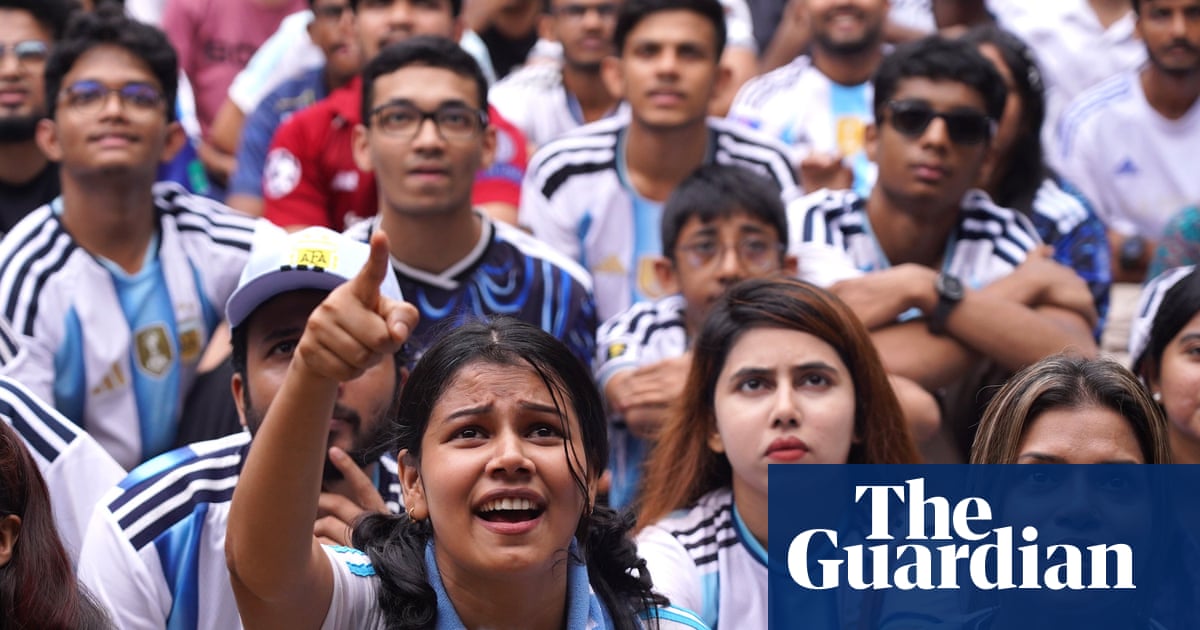
This is not a fleeting trend born of social media algorithms. For decades, the population of 170 million has bypassed their own national team to drape Dhaka in the albiceleste or the verdeamarela. It is a mass movement built on generational loyalty, defying the standard geographic boundaries of sports support.
Defying the colonial hangover
The intensity of this support often baffles European observers. In a region with a complex history involving the British Empire, the preference for South American football functions as a rejection of the status quo.
As The Guardian reported, these fans see Argentinian and Brazilian success as a proxy victory against former colonial powers. By rooting for nations that have historically challenged the established order, Bangladeshi supporters find their own voice.
The mechanics of the fan culture
The dedication manifests in physical space. Streets during the tournament become contested territories, split between Messi loyalists and those who demand Joga Bonito. It is not just casual viewing; it is a full-scale cultural immersion involving wall-to-wall flags and community processions.
However, the obsession does ignore a glaring issue. The resources poured into tracking South American tactics rarely translate into local grassroots development. You see thousands of fans debating the merits of a 4-3-3 formation in Buenos Aires while domestic infrastructure in Dhaka remains largely stagnant, a major flaw in the growth of the regional game.
The weight of the 2026 window
June 2026 finds the fervor at a peak as the tournament cycle restarts. For these fans, the outcome is irrelevant to their commitment. Whether their chosen side crashes out in the group stage or lifts the trophy, the flags stay flying.
The passion is unearned by the players themselves, who likely never consider the impact of their success on a village in Kulkandi. Yet, this disconnected support remains the most persistent football narrative in South Asia. It is a strange, durable, and frankly incredible form of sports consumption.
The outlook
Do not expect this to waver. If Argentina or Brazil play in an early window, you will still see hundreds of thousands of people waking up at 3:00 AM to watch the match live. It creates an atmosphere that is arguably more intense than what you find in most European club stadiums.
Prediction: The local fervor will continue to eclipse actual domestic performance for the foreseeable future. Brazil will likely advance to the quarterfinals, keeping the streets of Dhaka illuminated for at least another fortnight. Anyone betting against the sheer volume of this fan base has not spent enough time watching the matches from a humid living room in rural Bangladesh.
Read Next
- Steve Clarke is right to surrender because Scotland never showed up
- Scotland’s World Cup disaster is officially underway
- Brazil vs Scotland is the chaotic World Cup main event we deserve
- Scotland’s uphill battle against Brazil’s structural dominance
- 🏆 World Cup 2026 — Full Coverage Hub
- 🇦🇷 Argentina World Cup 2026 — Defending Champions Hub
- 🇧🇷 Brazil World Cup 2026 — A Seleção Hub
.jpg)