
Steve Clarke is right to surrender because Scotland never showed up
Tactical paralysis at the World Cup
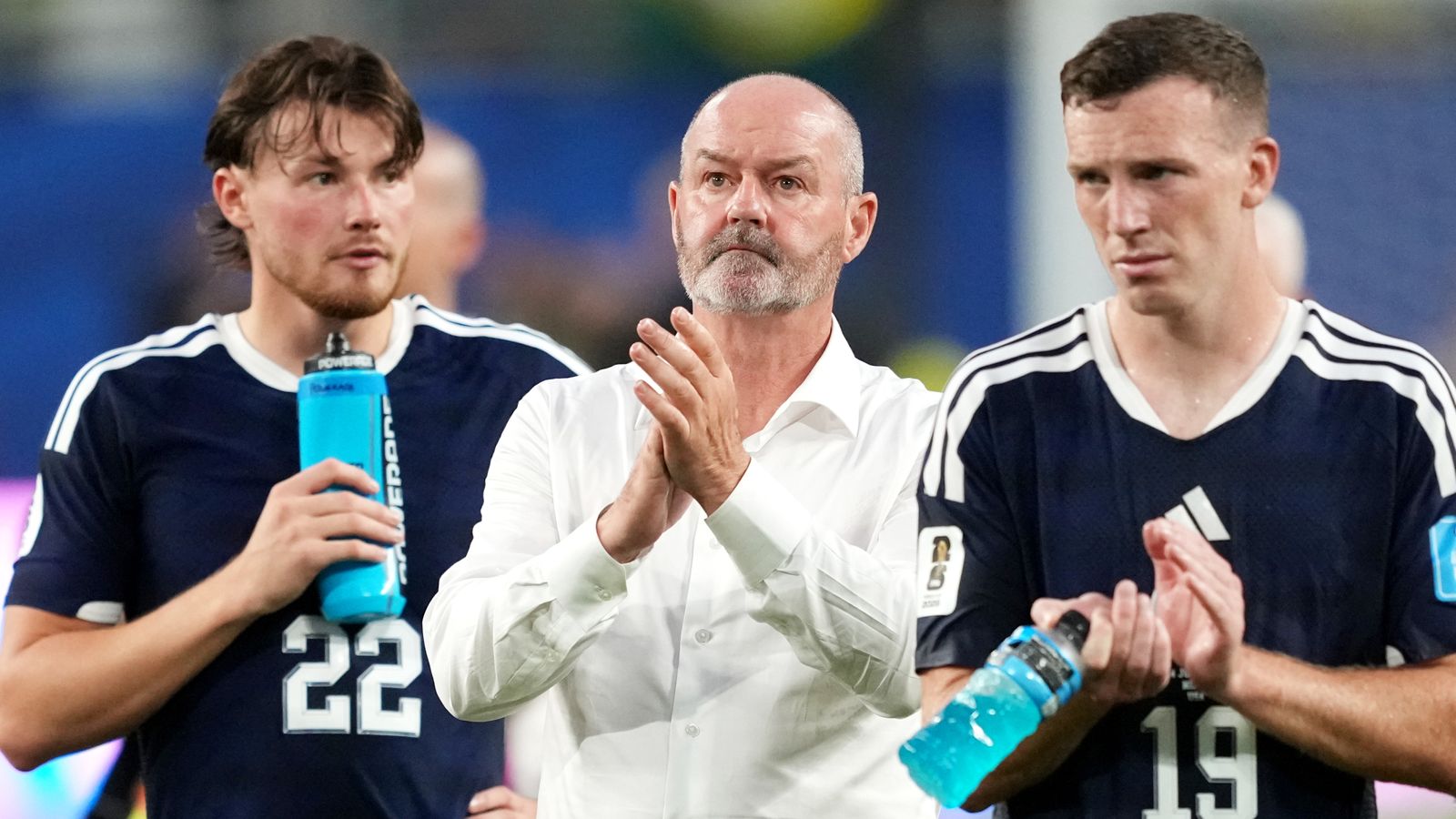
The post-match atmosphere in the wake of the 3-0 defeat to Brazil on June 24 painted a bleak picture. Steve Clarke did not mince words, suggesting his side is likely heading home. When a manager publicly contemplates elimination before the math strictly denies it, the team has lost its psychological anchor. Scotland approached this match with a low block that lacked the discipline required to neutralize the Brazilian transition.
Brazil dissected that structure with surgical efficiency. Clarke played for a draw, but the spacing between his back three and the midfield pivot was chronically disjointed. Whenever John McGinn attempted to press the second ball, he was isolated. The gap between him and the defensive line grew to 25 yards by the 20th minute. Against a side like Brazil, that space is a death warrant.
The structural failure of the Scottish 3-4-2-1
Watching Andy Robertson track back repeatedly to cover for a lack of central defensive pressure highlighted the tactical asymmetry. Scotland maintained 38% possession, yet the pass completion rate hovered just under 68% in the final third. They were not just losing the space; they were panicking in it. There was no outlet ball, no transition trigger, and certainly no coherent plan to exploit the high line of the Brazilians.
As reported by Sky Sports, the players themselves seemed resigned to the inevitable exit. This defeat was not merely a case of individual error, though the failure to track runners on the second goal was egregious. It was a failure of coaching intuition. Clarke’s insistence on a defensive-first mentality against a team that feasts on restricted movement provided zero incentive for Scotland to venture forward.
Missing the chance to disrupt expectations
In the 70th minute, with the game already sliding toward a blowout, Scotland’s defensive shape barely altered. They continued to retreat rather than force a mistake in the buildup. A team at this level needs to change the tempo of the game when facing a structural mismatch. Instead, they played right into the rhythm Brazil intended to set from the opening whistle.
The xG metrics for this match tell a damning story of wasted opportunity. Scotland logged an expected goals figure of less than 0.5 for the entirety of the 90 minutes. That is a performance that fails to justify a spot in the knockout stage even if the results elsewhere were to miraculously swing in their favor. To reach the next level, a side must offer more than just stubborn resistance—it needs to force the opponent to react.
The defensive pivot was simply not functional, and the reliance on long balls to bypass the midfield invited persistent pressure until the inevitable turnover occurred. The 3-0 final scoreline reflected the disparity in execution rather than just the difference in raw talent. When the manager sounds like he has already checked out of the tournament, it is impossible for the squad to find the necessary urgency to fix the structural leaks.
Read Next
- Scotland meet the Brazil buzzsaw at the worst possible time
- Scotland’s World Cup disaster is officially underway
- Scotland’s uphill battle against Brazil’s structural dominance
- Scotland face a nightmare scenario as Neymar returns for Brazil
- 🏆 World Cup 2026 — Full Coverage Hub
- 🏴 Scotland World Cup 2026 — Tartan Army Hub
- 🇧🇷 WC 2026 Group C — Brazil, Morocco, Scotland, Haiti
Believe: The Days and Nights of a Coach's Life by Sean Dyche
Get deep inside the mind of the Premier League's most relentless manager.
Frequently Asked Questions
What was the final score of the Scotland vs Brazil World Cup match?
Why did Steve Clarke struggle with his tactical approach against Brazil?
What metrics highlight Scotland's poor offensive performance?
How did the lack of a midfield pivot affect Scotland's gameplay?
What does Steve Clarke think about Scotland's chances of advancing?
More Coverage

Scotland's defensive crisis deepens as Tierney and McLean pull out
1 day, 15 hours ago
Sebastien Pocognoli just sent a clear message with his latest Scotland squad
2 days, 18 hours ago.jpg)
Anatomy of Anxious Excellence: Arteta, Geopolitics, and FIFA's Moral Vacuum
3 days, 16 hours ago
Wrexham fans are in full meltdown mode after a 6-0 disaster
6 days ago
Dom Hyam faces a critical turning point at Wrexham after Scotland snub
6 days ago
The DP Bottleneck, Cavan Sullivan, and Tactical Realism: Marlon LeBlanc's Masterclass
1 week, 1 day agoMore Analysis
Scotland's defensive crisis deepens as Tierney and McLean pull out
1 day, 15 hours ago
Sebastien Pocognoli just sent a clear message with his latest Scotland squad
2 days, 18 hours ago
Wrexham fans are in full meltdown mode after a 6-0 disaster
6 days ago
Dom Hyam faces a critical turning point at Wrexham after Scotland snub
6 days ago
Sébastien Pocognoli's first Scotland squad must ditch Steve Clarke's old habits
1 week, 2 days ago