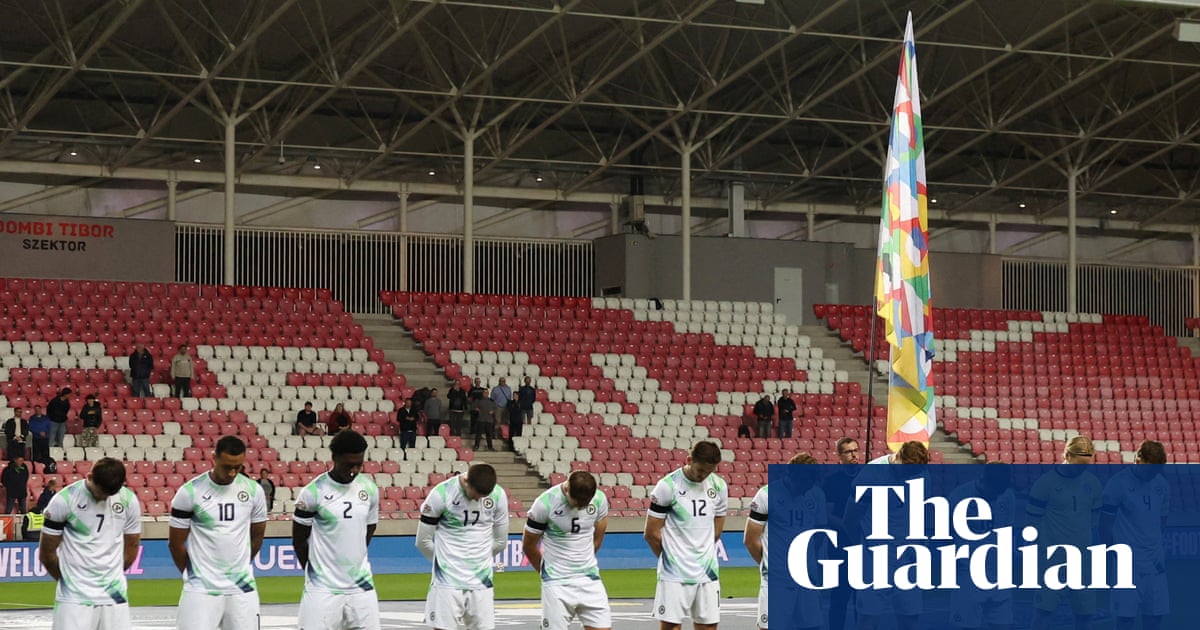
The expansion tax and the group stage cull
The numbers from the 2026 World Cup group stage paint a devastating picture for Asian football. Out of the nine AFC nations that arrived in North America, a staggering 77.8% of them—seven out of nine—failed to survive the first round.
Only Japan and Australia navigated the group stage, leaving the rest of the continent to dissect a collective failure. For a tournament expanded to 48 teams to accommodate emerging markets, the result was a harsh reality check. The gap between the elite and the rest has not shrunk; it has merely been broadcast on a larger screen.
The performance of the debutants was particularly damning. Jordan, Uzbekistan, and Iraq finished their campaigns with a combined record of nine defeats from nine matches.
While Jordan showed spirit by scoring in all three of their group games despite a squad depleted by injuries, their defensive structure collapsed under pressure. Iraq fared no better, capitulating in a nightmare group alongside France, Norway, and Senegal. These debutant performances showed that physical preparation and structural discipline cannot be fast-tracked on the training pitch.
The low point of the tournament came in Canada's 6-0 demolition of Qatar. It was a match that highlighted the technical and physical gulf that still exists.
Qatar looked lost in possession, completing just 68% of their passes in their own half and offering zero resistance in transition. As John Duerden reported, this was one of the worst results for an Asian team in modern World Cup history. The defeat was not an aberration; it was the logical conclusion of a system designed to fail.
The domestic trap of Saudi Arabia and Qatar
To understand why these nations collapsed, one must look at the structural design of their domestic leagues. Saudi Arabia and Qatar both selected squads comprised entirely of domestic-based players.
In the Saudi Pro League, the sudden influx of high-profile foreign signings has squeezed the development of local talent. The statistics are clear: foreign players accounted for over 65% of the total minutes played in key attacking positions during the domestic season. Local strikers and creative midfielders are relegated to supporting roles, leaving them unprepared for the physical demands of international tournament football.
Foreign stars and vanishing local minutes
This domestic isolation creates a false sense of security. High salaries in the Gulf mean local players have no financial incentive to test themselves in Europe.
A player earning millions in Riyadh or Doha has little motivation to accept a lower wage to fight for a starting spot in the Bundesliga or Ligue 1. The result is a squad that plays at a slower, less demanding tempo week in and week out. When confronted with the high-pressing intensity of Canada or France, these players look like they are operating in slow motion.
Saudi Arabia's campaign reflected this lack of intensity. Despite possessing technical quality, their passing sequences were slow and predictable, averaging 4.2 passes before a turnover in the final third.
In contrast, teams that succeeded in transition played with far greater verticality. The Saudi league's reliance on foreign stars has created a gilded cage, protecting local players from the very competition they need to grow. Until these players are forced out of their financial comfort zones, their international campaigns will continue to end in early flight bookings.
Japan's tactical blueprint and the elite ceiling
Japan remains the clear outlier and the model for the rest of Asia to follow. Unlike the Gulf nations, Japan has actively encouraged its players to move to Europe, with over 80% of their tournament squad playing in top-tier European leagues.
This migration has paid massive dividends in terms of tactical flexibility and physical resilience. Even when missing key personnel like Kaoru Mitoma, Wataru Endo, Takumi Minamino, and Takefusa Kubo, Japan's tactical structure remained robust. They did not play with fear; they played with a clear plan.
The European migration pay-off
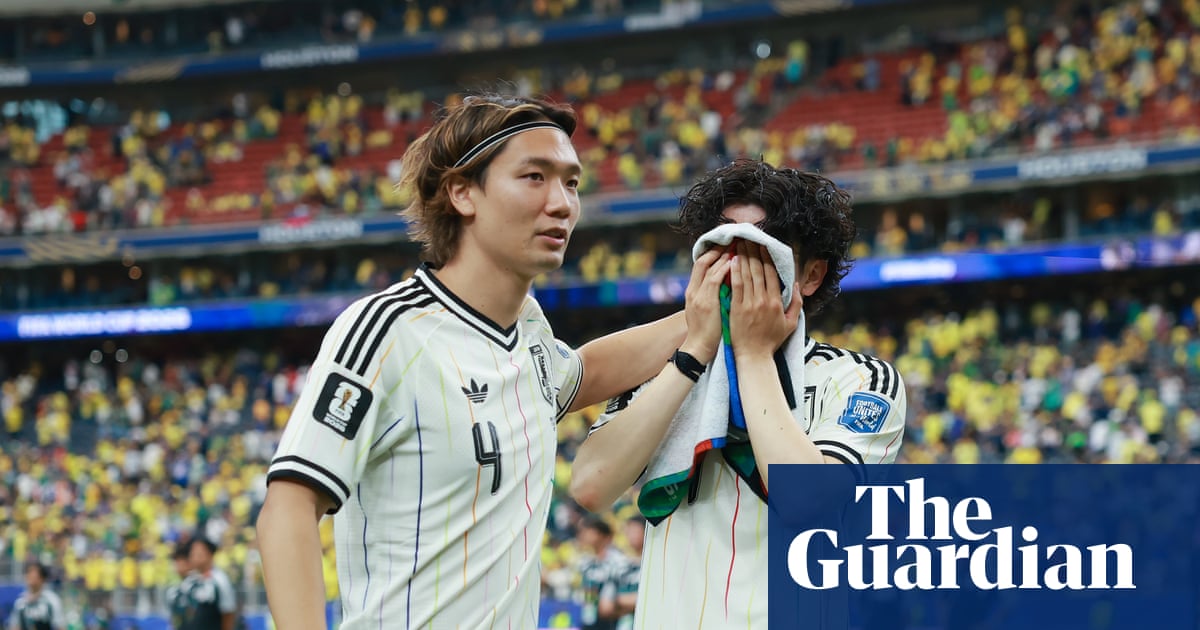
In their Round of 32 clash against Brazil in Houston, Japan demonstrated how to bridge the quality gap. Operating in a flexible 4-2-3-1 shape that dropped into a compact 5-4-1 out of possession, Japan restricted Brazil's central passing lanes.
They forced 14 high turnovers in the middle third and restricted Brazil to an expected goals (xG) figure of just 1.6. For long periods of the match, Japan's structured mid-block looked impenetrable, proving that tactical discipline can neutralize individual brilliance. They completed 84% of their defensive transitions, refusing to let Brazil exploit the space behind their fullback line.
Yet, the match also highlighted the limits of Asia's best team when missing their elite outlets. Without the transition threat of Mitoma or Kubo, Japan struggled to relieve pressure.
They registered just 42% possession and managed only 1.4 xG, with many of their shots coming from low-value areas. The physical toll of defending for long periods eventually took its toll. In his assessment of Asia's World Cup struggles, John Duerden noted that Japan's domestic base must improve to support their European stars, ensuring that the drop-off in quality is not so severe when injuries strike.
The structural breakdown in Houston
The end of Japan's tournament was cruel but instructive. In the 96th minute, a defensive lapse allowed Gabriel Martinelli to score the winner for Brazil, sealing a 2-1 defeat.
The goal was a direct result of fatigue-induced spatial breakdown. Japan's defensive line dropped three yards too deep, allowing Brazil to cross from the half-space, while goalkeeper Zion Suzuki and defender Takehiro Tomiyasu failed to communicate at the back post. It was a reminder that at the elite level, a single lapse in concentration at the end of 90 minutes of intense defending is fatal.
This late capitulation was not just bad luck; it was a consequence of sustained pressure. Japan was forced to defend their box for 38 minutes in the second half, completing 27 clearances as Brazil pushed forward.
Without the depth to rotate and maintain their pressing triggers, Japan collapsed under the sheer volume of attacks. Despite what was described as a dismal World Cup for the continent, Japan showed they belong on the big stage. But belonging is not the same as winning, and the final step remains the hardest to take.
Bridging the gap before the next cycle
The path forward for Asian football requires a complete rejection of domestic isolation. The Socceroos remain the only other Asian team alive in the competition, with an upcoming match against Egypt scheduled for Friday.
Australia's survival is also built on a squad where the majority of players compete in European leagues, reinforcing the necessity of exporting talent. If the rest of the continent wants to follow Japan's lead, they must dismantle the financial protectionism that keeps local players at home.
The 48-team World Cup was supposed to be a celebration of global football expansion. Instead, for Asia, it has been a lesson in structural deficiency.
The stats do not lie: 77.8% of the continent's teams did not survive the first week, and the debutants were completely outclassed. Until the AFC address the domestic league structures that hinder player development, Asian football will remain a collection of honorable losers watching the final rounds from the sidelines.