The psychological tax of the Carabao Cup
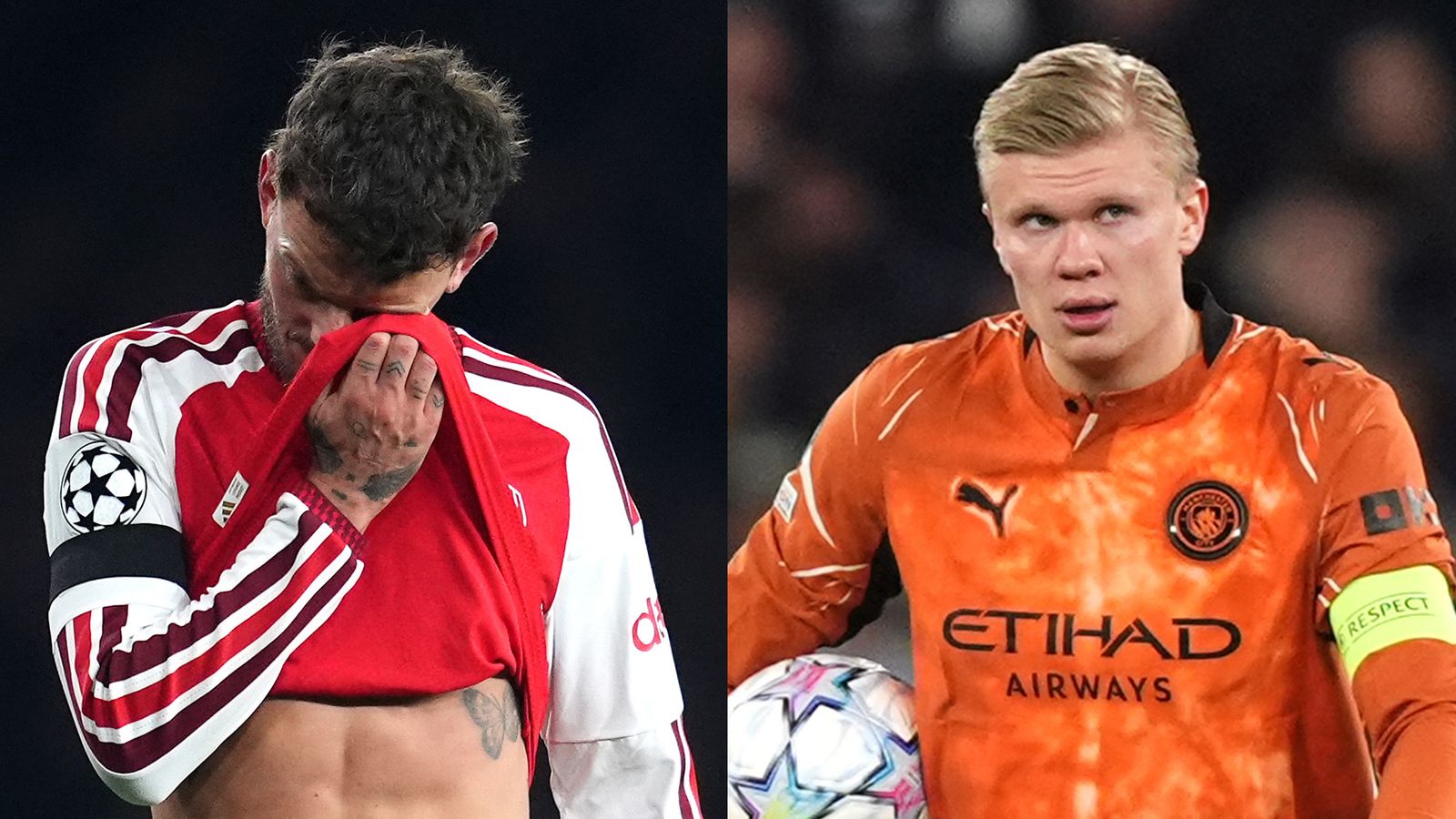
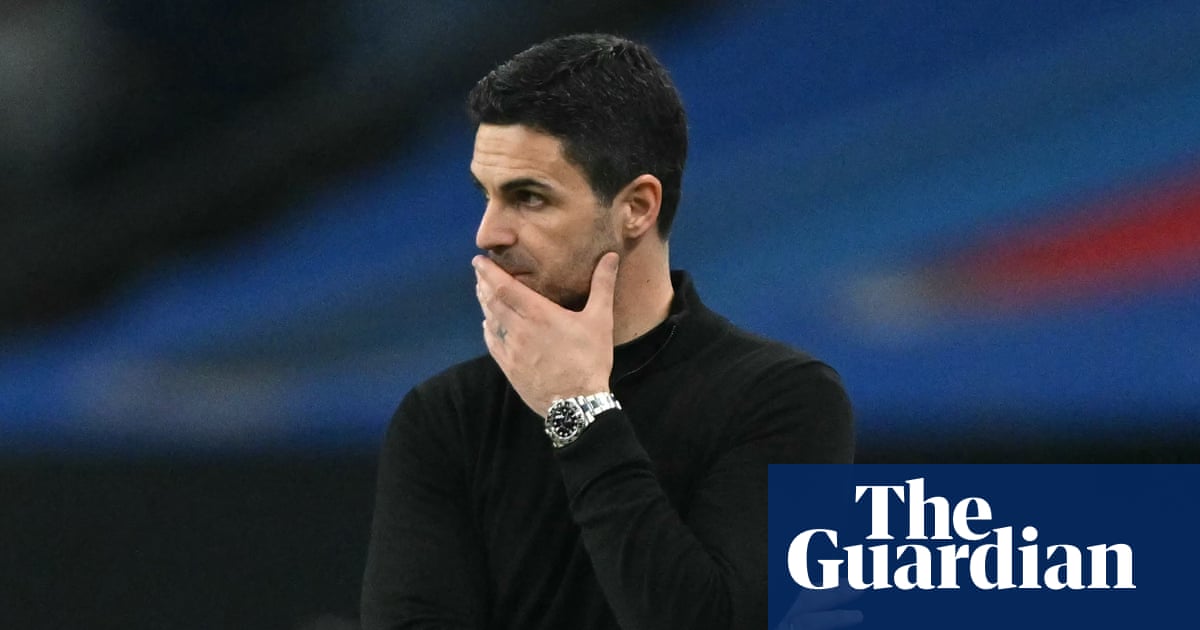
It is April 3, 2026, and the North London atmosphere feels heavy. Mikel Arteta’s admission that the Carabao Cup final loss to Manchester City left a sensation akin to a “ball of poison” in his stomach reveals a dangerous level of lingering trauma. In football, recovery time is a luxury that simply does not exist.
Arteta’s public declaration that this defeat will haunt him for the next 30 years is alarming. Coaches often use hyperbole to shield their squads, but here, it reads like an admission of a fragile squad mentality. When the manager carries a grudge against the clock, the players feel the pressure of every missed interception and every errant pass.
Tactical friction and the injury crisis
The timing of this emotional spillover coincides with a logistical nightmare for Arsenal. With Hincapié and Madueke confirmed to miss the FA Cup sixth round, the rotation options are narrowing to a breaking point. Tactical flexibility requires depth, and losing key personnel during an intensive spring schedule usually manifests in late-game fatigue.
Watching the team navigate this stretch requires separating the narrative of the 'poison' from the reality of the pitch. Arteta needs to adjust his defensive press. Without Hincapié, the left-sided transitions lose a vital ball-carrier, forcing the team to play through the center far too often. Opponents have clocked this predictable pattern, packing the middle third to force turnovers against an already anxious baseline.
The danger of the long-term focus
Arteta’s insistence on talking about long-term scars risks eclipsing the immediate tactical problems appearing during match minutes 60 through 90. If the players mirror their manager's fixation on past failures, the 45 percent second-half possession stats seen in recent fixtures will inevitably drop further.
Winning requires a surgical detachment. While the manager is busy cataloging the hurt of the Carabao Cup, Manchester City is preparing for the UCL quarter-finals on April 7, 2026, with cold efficiency. The squad cannot afford to let the feeling of the defeat dictate their positioning on the pitch. They need to pivot from regret to execution.
Looking toward the wire
With WrestleMania 41 looming on April 19, 2026, the sporting world is preparing for a spectacle of theater, yet Arsenal’s season is a grim test of hardware, not stagecraft. The upcoming FA Cup tie is not just about advancing to the semi-finals; it is about proving the “poison” has been flushed from the system.
If the team continues to play with the weight of the February loss on their shoulders, the drop-off will be punishing. Arteta has a few days to find a tactical reset. If the formation remains static and the mentality remains retrospective, this month will be remembered as the point where the campaign collapsed under the pressure of its own expectations.
Read Next
- Arsenal chasing big names is fun until you look at the balance sheet
- Arsenal's reliance on Gyokeres isn't sustainable for a title run
- Arsenal face a reality check as the Champions League quarter-finals loom
- Arsenal eye summer move for £87m forward as title race intensifies
- ⭐ UCL 2026 — Champions League Quarter-Finals Hub