Arsenal and Chelsea are running a strange London recruitment racket
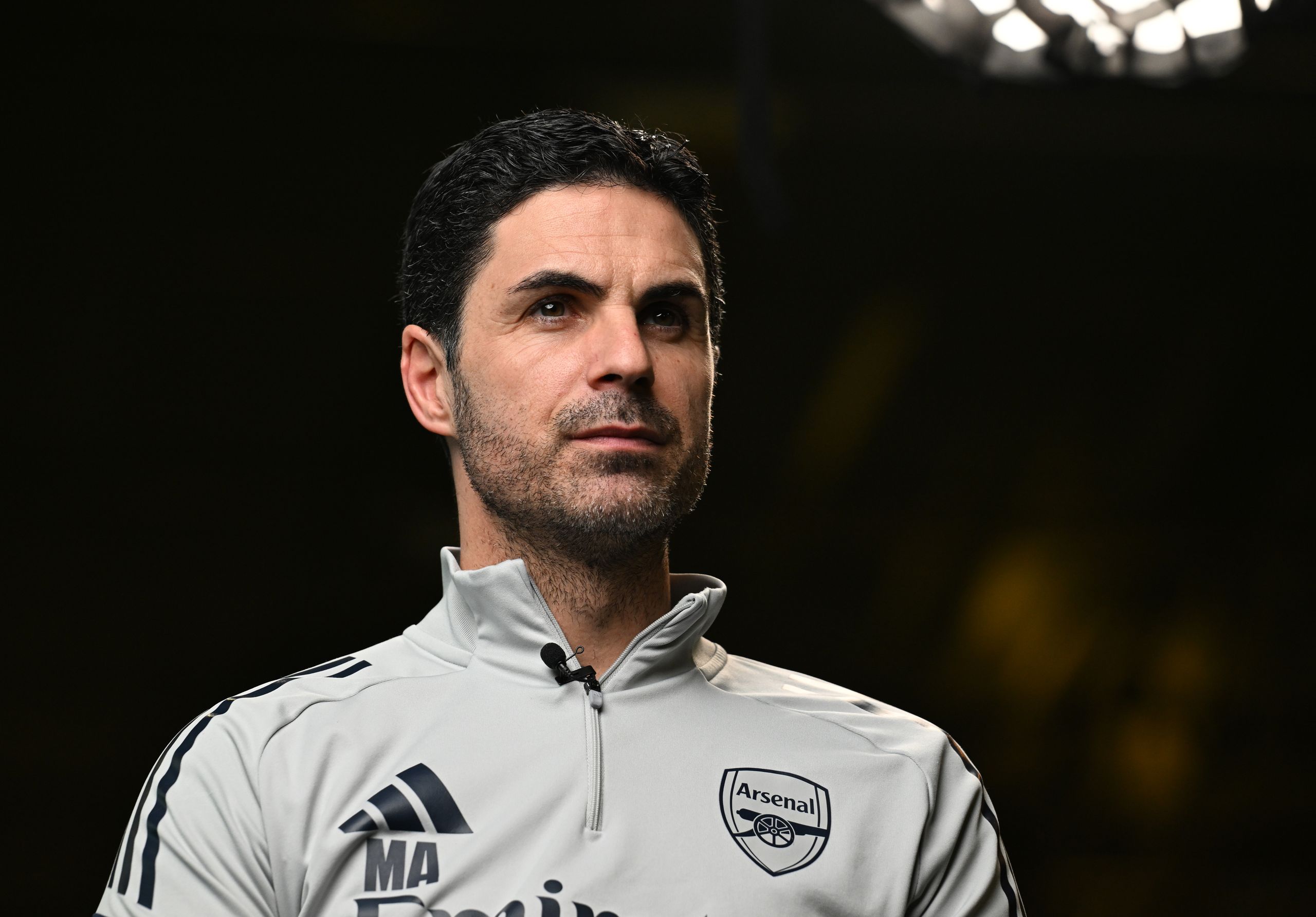
The curious case of the London transfer shuttle
The geography of the Premier League transfer market has shifted. Once, the idea of a player moving between Arsenal and Chelsea was a rare, headline-grabbing affair, usually involving a veteran seeking one last payday. Now, it has become a rhythmic feature of the summer window, a curious Arsenal pursuit of Josh Acheampong highlights exactly how normalized this pipeline has become.
We are watching a strategy that prioritizes convenience over the old tribalism. Chelsea, burdened by a bloated squad, needs to balance the books. Arsenal, ever the opportunists under Mikel Arteta, recognize that their rivals are holding high-ceiling talents who have been squeezed out of the rotation. It is efficient, but it leaves a sour taste for the purists who remember when London rivalries dictated movement.
The Palestra phenomenon
While Arsenal looks for value in Chelsea’s fringes, Chelsea has been busy spending elsewhere. The arrival of Marco Palestra for £47m signals a desperate need for pace in the transition game. The Italian fullback claims he was once the slowest player on his youth team, a transformation that allegedly helped him snub Inter Milan to chase a legacy inspired by Gianfranco Zola.
Yet, there is a legitimate question about the integration of such a high-priced acquisition. Chelsea's record with marquee signings under their current ownership has been shaky. Bringing in an individual based on their sprint speed metrics in a vacuum often ignores the technical nuance required to break down a low block at Stamford Bridge. If Palestra fails to adjust, this will look like another expensive misstep in a window defined by chaos rather than coherence.
Tactical drift in Milan
Meanwhile, across the continent, the narrative of player movement is becoming equally tangled. Jens Petter Hauge, currently reflecting on his time at AC Milan, has made it clear he still harbors a desire to return. It is a sentiment that contrasts sharply with the clinical, often brutal way teams like Inter Milan are approaching their own squad building.
Recent reports surrounding the Milan derby highlight how stability remains a luxury. Luka Modric returning to the fold for the clash against Inter is a fascinating data point, confirming the persistence of experience over the trend of younger, high-velocity signings. While the Premier League sides obsess over athletic profiles and resale values, the Italian giants appear to be doubling down on tactical maturity.
The flaw in the pipeline
The issue with the Arsenal and Chelsea relationship is the lack of long-term vision. By consistently cannibalizing each other’s depth, both clubs risk stagnation. Arsenal’s interest in youth talent like Acheampong suggests they are building for the future, but relying on your direct rival to stock your academy or squad is a dangerous gamble.
It suggests a failure in internal pathways. If a club of Arsenal’s stature cannot develop their own defensive prospects to the level required to challenge for the title, their reliance on the Chelsea pipeline becomes a crutch. This is not about sentimentality; it is about the cold, hard logic of development. When you stop producing your own stars and start shopping at the neighbor's clearance rack, you lose the ability to set the tempo of the league.
For Chelsea, the frustration is different. They are moving players out to survive financial regulations, and yet they keep signing high-cost gambles like Palestra. It feels like a club stuck in a loop of its own making. Watching these two play musical chairs with personnel while the rest of the league watches on is a reminder that in modern football, the transfer window is less about building a team and more about managing an asset portfolio.
Read Next
The Age of Football: Soccer and the 21st Century by David Goldblatt
A deep dive into the global impact of the beautiful game.
Frequently Asked Questions
Why are Arsenal targeting Chelsea players like Josh Acheampong?
What is the primary concern regarding Chelsea's signing of Marco Palestra?
How has the transfer dynamic between Arsenal and Chelsea changed?
Why is the Arsenal-Chelsea recruitment pipeline considered a flawed model?
How does the Premier League recruitment approach differ from Italian clubs?
More Coverage

Jarrad Branthwaite's German brain rehab saved his England career
an hour ago
Édouard Mendy was right about the Champions League and Afcon
2 hours ago
Spurs are rock bottom and Carrick is cooked: Premier League fan reactions
3 hours ago
Benjamin Sesko scan headlines growing Manchester United injury crisis
3 hours agoMan United Walking Away From Arsenal Stars Is the Same Old Story
4 hours agoAndros Townsend Surviving a Pitch Roller in Thailand Is Peak Football Chaos
8 hours agoMore Analysis
Édouard Mendy was right about the Champions League and Afcon
2 hours ago
Spurs are rock bottom and Carrick is cooked: Premier League fan reactions
3 hours agoMan United Walking Away From Arsenal Stars Is the Same Old Story
4 hours ago
Brighton just gave Arsenal a black eye and now we face 19 days of boredom
16 hours ago
Mourinho rants, Chelsea collapse, and Rangers shock Celtic before the break
19 hours ago