
Arsenal and Chelsea's transfer pipeline continues to defy logic
The London trade route remains open
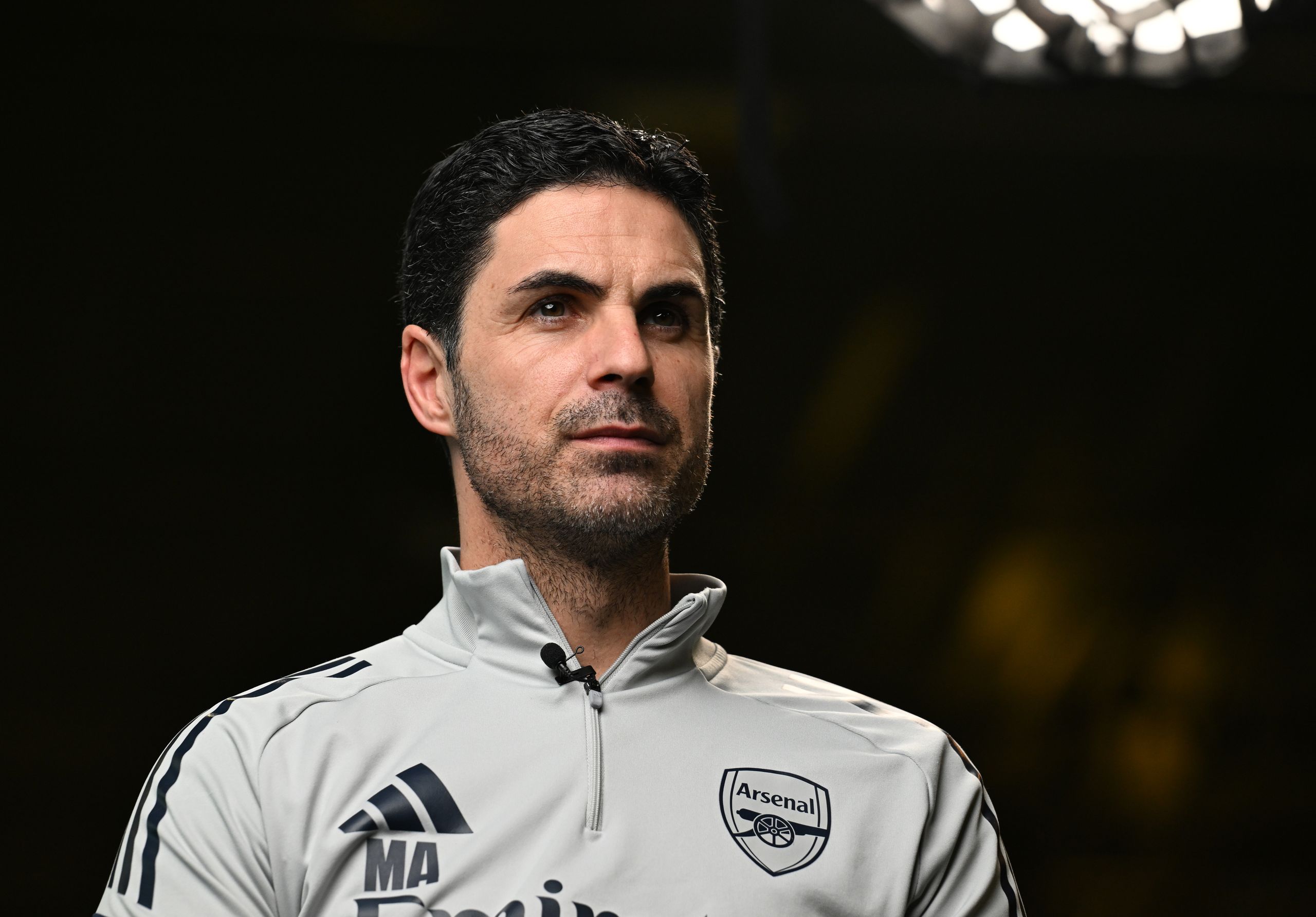
Arsenal have developed a curious habit of raiding Stamford Bridge for talent. While fans often joke about the lack of direct movement between rival London clubs, the reality is that the potential move for Josh Acheampong highlights a strategic alignment that goes beyond simple squad depth. For Mikel Arteta, the logic is clear: identify high-ceiling youth assets who are currently sidelined by Chelsea's bloated recruitment strategy.
Acheampong represents the modern full-back archetype that Arteta craves. The player possesses the physical profile to invert or overlap, depending on the tactical requirement of the match. While Chelsea’s squad composition has been erratic, their academy production remains elite. Arsenal are effectively outsourcing their scouting to Cobham, betting that a change in environment can turn a Chelsea prospect into a Premier League starter.
The cost of ambition in the capital
Chelsea’s recent business suggests a shift in how they value their home-grown talent versus high-profile imports. The acquisition of Marco Palestra for 47 million pounds serves as a stark reminder of where their priorities lie. Palestra, dubbed a speed king in Italy, clearly possesses the raw physical tools to terrorize defenses. Yet, spending such a premium on a player who openly snubbed Inter Milan carries immense pressure to produce immediate returns.
The contrast between Chelsea and their Italian rivals is becoming increasingly binary. While Chelsea are betting on explosive athleticism, clubs like Milan remain anchored in their existing personnel structure. We see this in the reliance on veteran stability, such as Luka Modric returning to the fold for crucial fixtures like the derby against Inter. The tactical variance here is jarring. Milan prioritizes continuity and game intelligence, whereas Chelsea seem to be betting that sheer velocity can overwhelm a technical setup.
Tactical friction and the human cost
Players like Jens Petter Hauge have spoken openly about the frustrations of limited minutes under previous regimes, highlighting the volatility of modern European football. Hauge’s candid admission regarding his desire to eventually return to Milan illustrates the emotional fallout that occurs when youth development projects are discarded in favor of immediate tactical shifts. When a manager like Stefano Pioli pivots to a different profile, the players left on the periphery don't just lose training time; they lose market value and developmental momentum.
This is where the risk lies for a target like Acheampong. If Arsenal pursue this deal, they must ensure the pathway to the first team isn't blocked by their own internal rigidness. The tactical demands at the Emirates are intense. If a player arrives expecting to learn under the stewardship of the staff, but instead finds themselves relegated to cup appearances, the transfer becomes a sunk cost. We have seen this cycle repeat far too often across the league, where talented prospects become forgotten footnotes in a manager's tactical notebook.
The obsession with quick fixes via the transfer market often obscures the necessity of patience. Chelsea have already committed heavily to their new guard, and the pressure on players like Palestra to perform is immense. If he doesn't hit the ground running, the narrative will quickly turn toward the sustainability of their massive expenditure. Meanwhile, Arsenal continue to walk a fine line, trying to balance financial prudence with the need to bridge the gap to the league title. The success of these maneuvers won't be measured by the transfer fee, but by how effectively these players integrate into the established rhythm of their respective squads.
Read Next
Official Manchester City FC Fan Scarf - Sky Blue/White
Show your Cityzens pride during the title race or at the pub.
Frequently Asked Questions
Why is Arsenal interested in signing Chelsea's Josh Acheampong?
How much did Chelsea spend to sign Marco Palestra?
How does Chelsea's recruitment approach compare to AC Milan's strategy?
What happens to youth players when clubs frequently change tactical profiles?
What risks exist for young players making high-profile London transfers?
More Coverage

Florian Wirtz isn't a £116m flop. Iraola's system is about to unlock him
5 hours ago
Florian Wirtz is not a flop yet, but Jamie Carragher has a point
5 hours ago
Man United are selling £125 grass while debt climbs past half a billion
5 hours ago
Katie McCabe's Revenge Game and Man United's 10-Shot Disaster Class
6 hours ago
Why Roma's £21.4m gamble on Rodrigo Mora looks like absolute highway robbery
7 hours ago
Inside the numbers of Arsenal's £280k Rice deal and Milan's rest gamble
8 hours agoMore Analysis
Katie McCabe's Revenge Game and Man United's 10-Shot Disaster Class
6 hours ago
Why Roma's £21.4m gamble on Rodrigo Mora looks like absolute highway robbery
7 hours ago
Inside the numbers of Arsenal's £280k Rice deal and Milan's rest gamble
8 hours ago
Arsenal defender Marli Salmon pulls out of England U18 squad with injury
14 hours ago
Declan Rice's mega deal shows Arsenal are all in on Arteta
20 hours ago