Grab a cold one, pull up a stool, and let’s talk about the absolute circus we just witnessed in Atlanta. If you thought the World Cup last 16 was going to be a civilized affair, you clearly haven't been paying attention to international football. Argentina and Egypt went to war on Tuesday, and by the time the dust settled, we had a 3-2 scoreline that will be debated in bars from Cairo to Buenos Aires for the next decade.
This wasn't just a football match. It was a high-stakes telenovela featuring theatrical dives, refereeing capitulation, and a late winner that left former strikers screaming at their television screens. Egypt, the team everyone expected to roll over, put on a defensive masterclass and struck with venom on the counter.
But the football gods—or rather, the guys sitting in a dark VAR booth with too many monitors—had other ideas. What should have been a historic night for Egyptian football turned into a masterclass in South American dark arts and officiating tragedy. Let's break down how the Albiceleste grifted their way into the quarter-finals.
The Atlanta Turf Auditing Session
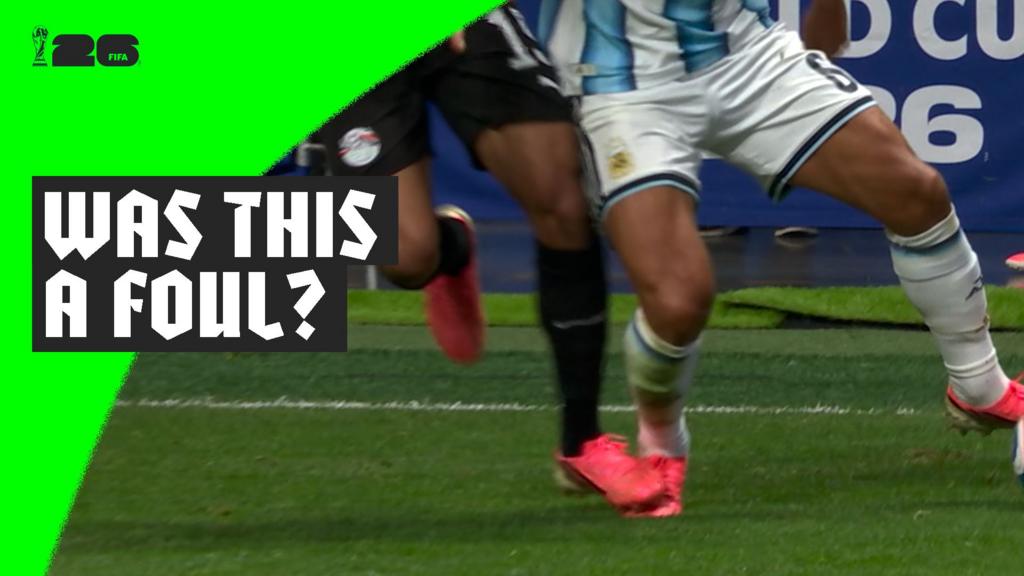
Let's talk about the moment that changed the entire trajectory of this match. Mostafa Zico, playing the game of his life, found the back of the net to put Egypt in a commanding position. The Egyptian bench went wild, the fans in Atlanta were throwing beer into the air, and for a brief second, we thought we were witnessing one of the great World Cup upsets. Spoiler alert: we weren't.
Enter Lisandro Martinez. The Manchester United defender is nicknamed 'The Butcher' because he plays like he wants to physically dismantle opposing strikers. But the moment Zico made contact with him in the build-up, Martinez suddenly transformed into a delicate glass ornament.
He went down with the kind of dramatic flair that usually wins you an Oscar, not a free kick. He clutched his face, rolled three times, and waited for the referee to save him from the consequences of his own poor positioning. As the BBC coverage of the VAR decision showed, the contact was so minor it wouldn't have knocked over a toddler. Yet, the referee went to the monitor, looked at the slow-motion replays, and decided to rule the goal out.
Here is the three-stage defensive playbook Lisandro Martinez used to absolute perfection:
- Step 1: Get beaten cleanly by the forward.
- Step 2: Collapse as if struck by a cannon.
- Step 3: Roll around until the VAR officials feel bad for you.
This is where VAR ruins the game. In slow motion, every brush of a jersey looks like an assault. Martinez knew exactly what he was doing, exploiting the system to bail out his defensive error. It was a cynical piece of play, and the fact that the officials rewarded it is an absolute embarrassment to the sport.
Egypt had every right to be furious. They had played through the pressure, created a genuine chance, and executed it perfectly. Instead, they were left standing around while the referee did his best impression of a cinema critic.
The decision sucked the wind out of the stadium. You could hear the collective groan of every neutral fan who wanted to see a fair fight. It was the moment the match shifted from a sporting contest to a theatrical performance.
Egypt's players surrounded the referee, their manager was screaming on the touchline, but the decision was final. The goal was wiped off the board, and Argentina was given a massive reprieve. It was a turning point that felt less like a sporting decision and more like a heist in broad daylight.
The Atlanta Heist and Pundit Fury
With Egypt shell-shocked by the VAR decision, Argentina smelt blood. They pushed forward, throwing bodies into the box, and eventually found their breakthrough. The winning goal came from Enzo Fernandez, the midfielder Chelsea bought for over 107 million pounds to solve all their problems.
Fernandez took his chance well, firing a low shot past the Egyptian keeper to seal the victory. The Argentinian players celebrated like they had just conquered the world, but the drama was far from over. Over in the television studios, the mood was decidedly hostile.
Former England striker Ian Wright was absolutely losing his mind over the build-up to that winning goal. According to the report by Mirror Football, Wrighty insisted the goal should never have stood. He argued that there was a clear infraction earlier in the phase of play that the officials chose to ignore.
Wrighty is right, by the way. You cannot have one standard of officiating for Argentina's defenders and another for Egypt's attackers. If Martinez getting breathed on is a foul, then the physical tussle leading to Enzo's goal should have been whistled immediately.
It is the inconsistency that drives fans and pundits insane. One minute we are letting the game flow, and the next we are analyzing individual grass blades to find a reason to disallow a goal. Egypt got the short end of the stick twice in one half, and you cannot blame them for feeling like the deck was stacked against them.
The final whistle triggered a mixture of relief and fury. Argentina celebrated their escape, while Egypt's players collapsed to the ground in sheer disbelief. It was a victory for Argentina, but it felt hollow to anyone who values sporting merit.
The post-match analysis was dominated by the refereeing decisions. Pundits on every channel were arguing over the replays, with most agreeing that Egypt had been hard done by. It was the kind of controversy that overshadows the actual football, leaving a sour taste in the mouth of everyone involved.
Egypt's Pharaonic Resistance
Let's give some credit to Egypt here, because they did not come to Atlanta just to take photos and swap shirts with Lionel Messi's teammates. They played with a tactical discipline that kept Argentina's high-priced superstars quiet for long stretches. Their midfield block was tighter than a bank vault, frustrating the South Americans at every turn.
Mostafa Zico was a constant nuisance for the Argentinian center-backs. He chose down every lost cause, held up the ball under immense pressure, and showed real quality in the final third. His disallowed goal was a moment of sheer composure that deserved to stand on the grandest stage.
Defensively, Egypt threw their bodies in front of everything. They blocked shots, made recovery tackles, and fought for every second ball like their lives depended on it. It was the kind of gritty, underdog performance that makes the World Cup the greatest sporting event on earth.
But when you play against Argentina, you aren't just playing against eleven men. You are playing against decades of tournament experience and a collective willingness to do whatever it takes to win. Egypt found that out the hard way in the second half.
They ran out of steam, and who can blame them? Chasing the ball against a team that keeps possession as well as Argentina is exhausting work. The physical toll of the match was clear in the final minutes as several Egyptian players went down with cramp.
It was a cruel way to exit the tournament, but Egypt can hold their heads high. They showed they belong on this stage, even if the record books will only show a defeat. They earned the respect of the footballing world, even if they didn't get the result they deserved.
The Masters of the Grift
Let's be real about this Argentinian team. They are not the fluid, beautiful side of decades past. They are a band of street fighters who happen to be world-class footballers. They know how to buy fouls, waste time, and get under the skin of their opponents.
Rodrigo De Paul was once again doing his usual routine of running around, yelling at the referee, and acting as Lionel Messi's personal bodyguard. He is the kind of player you absolutely love to have on your team but want to kick through a window if he plays for the opposition. His antics during the final minutes of the match were a masterclass in how to kill a game's momentum.
Then you have Martinez, who seems to spend more time on his back than a turtle on a highway. It is a highly effective strategy, of course. It breaks up the play, frustrates the opposition, and gives his teammates time to catch their breath. But it makes for a miserable viewing experience for anyone who actually likes football.
Argentina will not care one bit about the criticism. They are in the quarter-finals, and that is all that matters to them. They have the experience, the quality, and the sheer cynicism required to go all the way again.
But they are playing with fire. If they run into a team with the clinical edge to punish their defensive lapses, no amount of diving or referee lobbying will save them. Atlanta was a warning sign, and they would do well to heed it.
They got away with it this time, but their luck might run out in the next round. The footballing gods have a way of balancing things out, and Argentina might find themselves on the receiving end of a controversial decision before this tournament is over. For now, though, they march on, leaving a trail of furious fans and pundits in their wake.
Read Next
- Why Argentina are ripe for an upset against Egypt
- Why Argentina should be terrified of Egypt in the Round of 16
- Argentina just pulled off the heist of the century against Egypt
- Enzo Fernandez saves Argentina from a tactical disaster in Atlanta
- 🇦🇷 Argentina World Cup 2026 — Defending Champions Hub
- 🇪🇬 Egypt World Cup 2026 — Salah's Last Dance