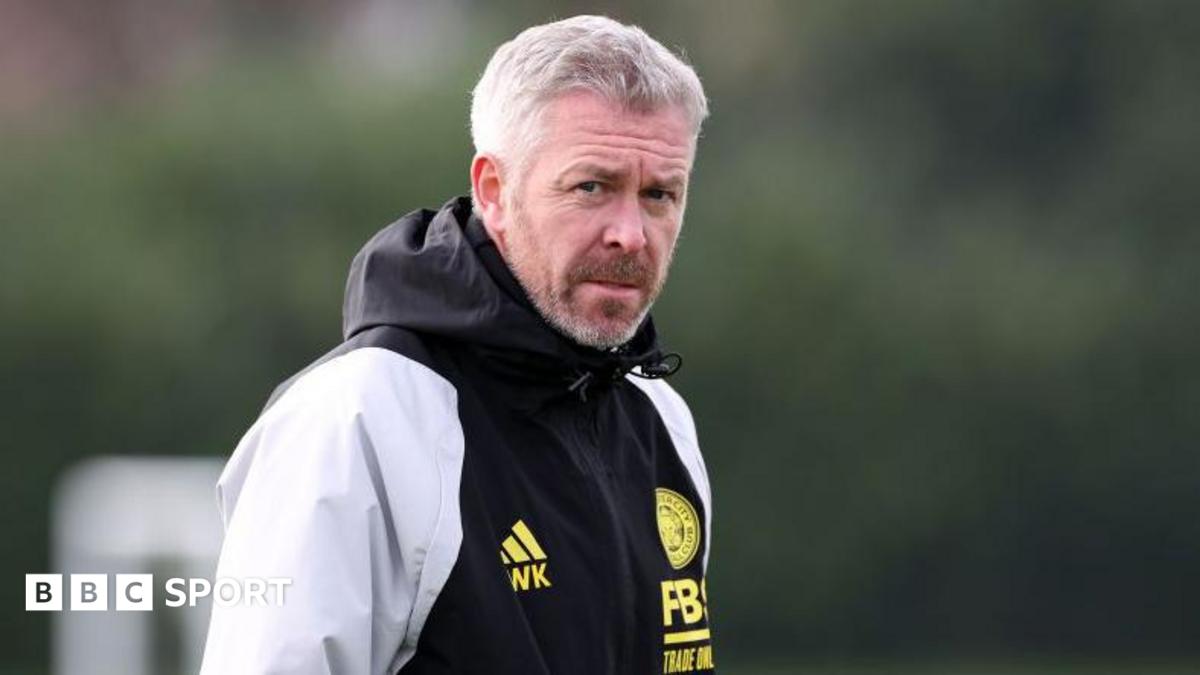
The Lead: Willie Kirk Appointed Durham Boss After Two-Year Absence
Willie Kirk is back in English football. Durham Women have appointed the former Leicester City boss as their new head coach, ending his two-year exile from the domestic game. The move marks a sudden return to the front line of the women's game for a manager whose career in England appeared finished after a major disciplinary breach.
As the BBC reported, Kirk takes over the WSL 2 (Championship) side two years after Leicester City Women dismissed him for having a relationship with a player. The appointment is sure to divide opinion across the sport, where player-coach relationships have faced intense scrutiny. Durham are betting on Kirk's tactical pedigree to lift their squad, despite the reputational baggage he brings.
Kirk's absence from the English technical areas has lasted exactly 28 months. His contract at Leicester was terminated in March 2024. Now, the Scottish coach is tasked with navigating a highly competitive Championship division while under a permanent spotlight.
The Sacking: How Kirk's Leicester Tenure Unraveled
Kirk's departure from Leicester City in March 2024 followed an intensive internal investigation. The club's hierarchy determined that he had breached the team's code of conduct to a degree that made his position untenable. The code had been established before the 2023–24 season to enforce strict professional boundaries.
The fall was particularly sharp given Kirk's success at Leicester. He took over in November 2022 when the club was bottom of the WSL with zero points, successfully guiding them to safety. His tactical rebuilding job made the club competitive, which made the subsequent scandal and dismissal a major blow to Leicester's long-term planning.
In May 2024, Kirk broke his silence during a media interview. He admitted responsibility for the relationship but criticized the club's disciplinary process. Kirk claimed the relationship began after the player suffered an injury, which altered the dynamics of their professional interaction.
"It's on me, it's my fault, I should never have gone through with anything," Kirk stated at the time.
While Kirk claimed he felt treated like a criminal, Leicester's board stood firm. They argued that maintaining a performance-led culture required zero tolerance for such boundary violations. The fallout from the investigation left Leicester searching for stability and Kirk sidelined from the English game.
Historical Context: The WSL's Policy on Relationships
Kirk's sacking was not an isolated incident in the early months of 2024. In February of that year, Sheffield United Women dismissed manager Jonathan Morgan. His position became untenable after details emerged regarding a past relationship with a teenage player during his tenure at Leicester.
These dual sackings forced the Football Association and club boards to address a long-standing issue. Several prominent WSL managers spoke out against player-coach relationships. Former Aston Villa manager Carla Ward and Bristol City's Lauren Smith both stated that such relationships should be automatic sackable offences.
England national team manager Sarina Wiegman also weighed in, calling player-coach relationships very inappropriate. Arsenal manager Jonas Eidevall expressed similar concerns, emphasizing the power dynamics inherent in these roles. The consensus among top-tier staff was that professional boundaries had to be absolute to protect player welfare.
Strategic Implications: Durham's High-Stakes Gamble
By hiring Kirk, Durham are taking a massive calculated risk. The Championship is a notoriously difficult division to escape, with only one promotion spot available. Durham finished the 2025–26 campaign in the bottom half of the table, showing a clear need for tactical restructuring.
Kirk has proven Championship experience, having previously guided teams through promotion battles. However, his return will test the locker room dynamics and fan relations at Durham. Sponsors may also voice concerns over the association with a coach sacked for conduct violations.
Durham has historically operated as an independent, family-centric club, prideful of its community roots. Bringing in a manager with Kirk's disciplinary history is a sharp departure from that identity. The board is prioritizing tactical results over public relations consistency.
The appointment of Kirk, as first announced on the BBC Sport WSL feed, signals a willingness by Durham's board to prioritize promotion over any potential external fallout.
Opponents will likely use the media focus surrounding Kirk's return to disrupt Durham's campaign. The club's leadership must believe that Kirk's coaching ability outweighs the inevitable public relations backlash. If results do not improve immediately, the pressure on the board will become severe.
The Career Rehab: Sweden to the Northeast
Before landing the Durham job, Kirk spent time rebuilding his coaching resume abroad. He moved to Sweden, taking a role at Linköping in 2025. He then joined Djurgårdens IF for the 2026 season, working away from the intense glare of the British media.
This Scandinavian detour served as a stepping stone back to the English system. Durham's board likely viewed this period as a necessary cooling-off phase. Yet, many observers will question if a two-year absence is enough time to address the underlying issues of power dynamics in the sport.
Critics will argue that Kirk's swift return undermines the progress made in establishing player safety protocols. The FA's stance on manager licensing and code enforcement will remain under scrutiny. As Durham prepare for the upcoming season, the focus will be as much on Kirk's conduct as his tactical formations.
Strategic Pitfalls and the Locker Room Challenge
Durham's squad must now adapt to a manager who has been out of the English league system for over two years. Reintegrating into a Championship dressing room requires building immediate trust. Kirk's past conduct makes that trust-building exercise significantly harder from day one.
The tactical challenge is equally daunting. The Championship has grown more professional and defensively organized since Kirk last managed in England. Teams like Birmingham City and Sunderland have invested heavily in squad depth, leaving little margin for error.
Kirk must address a defense that conceded 34 goals in their league campaign last term. Durham cannot afford defensive lapses if they want to challenge for the top spots. The margin for error is non-existent.
If Durham struggle in their opening matches, Kirk's history will be weaponized by rival fanbases and commentators. The board's decision to hire him will be viewed as a desperate gamble rather than a strategic masterstroke. Success on the pitch is the only way Kirk can quiet the noise, but the path is incredibly narrow.