First-time finish seals cup progress at the Riverside
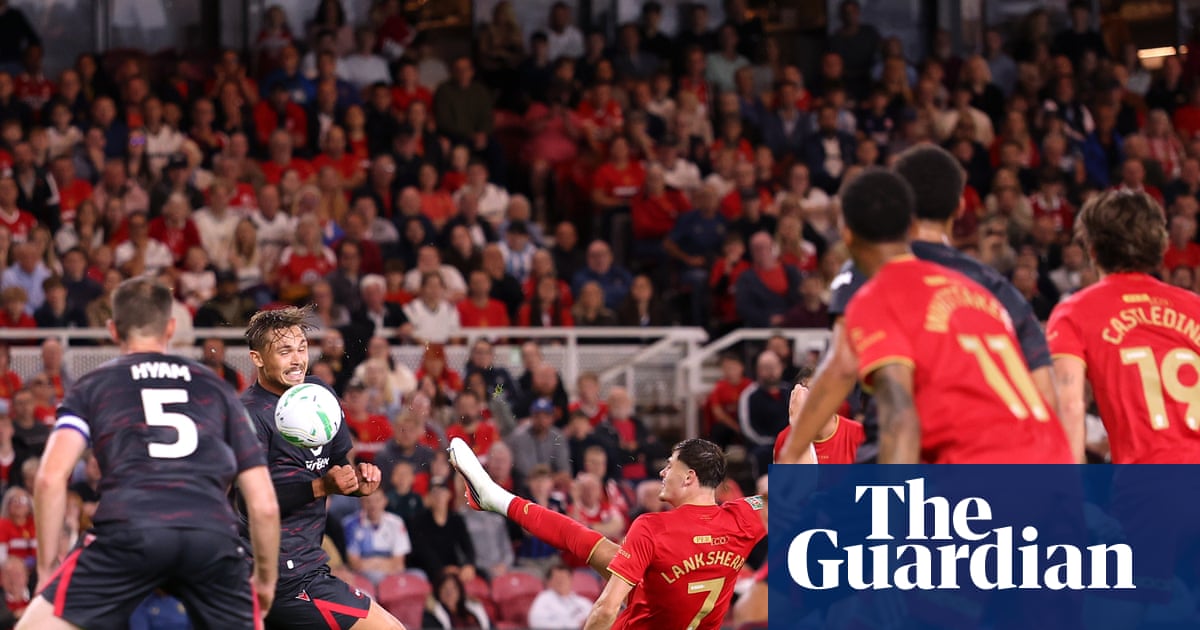
Will Lankshear wasted no time introducing himself to the Middlesbrough faithful on Friday night. The 21-year-old striker, signed for £10m from Tottenham Hotspur earlier this summer, scored the decisive goal in a 1-0 Carabao Cup first-round victory over Wrexham. His 61st-minute strike—a delicate, instinctively hooked first-time volley from inside the box—proved the difference in a tightly contested fixture on August 7, 2026.
For Middlesbrough head coach Michael Carrick, seeing the young forward open his account immediately provides welcome relief. Boro spent significant capital to pry the attacker away from Spurs, where he had risen through the academy ranks with a reputation as a natural finisher. Yet, behind the jubilation of a debut goal lies a critical narrative regarding Lankshear's match engine and full physical readiness for the grueling 46-game Championship campaign ahead.
Carrick managed Lankshear's minutes carefully throughout pre-season following a minor hamstring tweak sustained during his final weeks at Tottenham. While the striker looked sharp in bursts against Wrexham's physical backline, his movement visibly waned after the 70th-minute mark. Boro's medical team remains cautious, watching his workload closely to prevent any recurrence of muscular fatigue during this high-density opening month of the season.
Managing the step-up to Championship intensity
The transition from youth football and sporadic cup appearances at Spurs to leading the line in English football's second tier demands an exceptional level of physical conditioning. Lankshear's game relies heavily on explosive bursts to separate from central defenders in tight spaces—the exact action that yielded his debut goal. However, those violent accelerations put intense stress on the posterior chain, making his recovery protocol a top priority for Middlesbrough's performance staff.
Historically, young forwards making the jump from Premier League academies to the Championship face a steep physical curve. Former Tottenham academy graduates who took similar loan or permanent routes—such as Troy Parrott and Dane Scarlett—often struggled with the relentless Saturday-Tuesday schedule early in their transitions. Middlesbrough know all too well how soft-tissue injuries can derail a campaign, having seen key attacking assets sidelined for extended periods during their playoff push two seasons ago.
Boro's medical department has implemented a tailored periodization plan for Lankshear. This involves monitored training loads, low-impact recovery sessions, and deliberate rotation during early midweek cup fixtures. The goal is to build his aerobic base and fatigue resistance without exposing his hamstrings to excessive strain before he reaches peak match sharpness in late September.
Tactical impact and Boro's forward hierarchy
Lankshear's immediate goalscoring output changes the dynamic of Middlesbrough's front line. His ability to finish under pressure gives Carrick a clinical focal point that the squad occasionally lacked during the previous campaign. Yet, relying on a 21-year-old with managed minutes carries inherent tactical risks. If Carrick is forced to limit Lankshear to 60-minute outings, Boro must rely heavily on secondary options to close out matches.
Wrexham exposed some of these physical limitations late in the second half. As Lankshear's pressing energy dipped, Wrexham's center-backs found easier paths out of defense, forcing Middlesbrough onto the back foot for the final 15 minutes. While Boro held firm to secure the 1-0 win, higher-caliber Championship opposition will punish any drop in high-intensity pressing from the central striker.
Competitors across the Championship are monitoring Lankshear's integration closely. Rivals who lost out on his signature during the transfer window will be watching whether his early fitness management indicates a persistent physical boundary or simply a routine build-up following his summer move. Boro officials remain confident that his physical metrics will stabilize as he adapts to Carrick's tactical demands.
Medical prognosis and load management outlook
From a sports science perspective, Lankshear is currently operating in a controlled adaptation phase. Middlesbrough's medical team has not reported any structural damage or new injuries following the Wrexham tie, but his substitution profile will likely remain conservative over the next three weeks. Expect Carrick to continue pacing the forward's minutes, utilizing him in targeted starting roles while leaning on bench depth for late-game management.
The physical test will intensify as league fixtures stack up through late August. Boro's sports science staff will utilize GPS tracking and daily creatine kinase markers to monitor muscle damage and recovery rates between matches. Preventing overload during this initial six-week period is paramount to ensuring Lankshear remains available for the full duration of the 2026-27 campaign.
Ultimately, Lankshear's debut demonstrated both his undeniable instinct inside the penalty area and the work required to reach full Championship match fitness. If Middlesbrough's medical and coaching staff navigate his physical integration successfully, their £10m investment will pay massive dividends. For now, careful load management remains the priority alongside his on-field development.