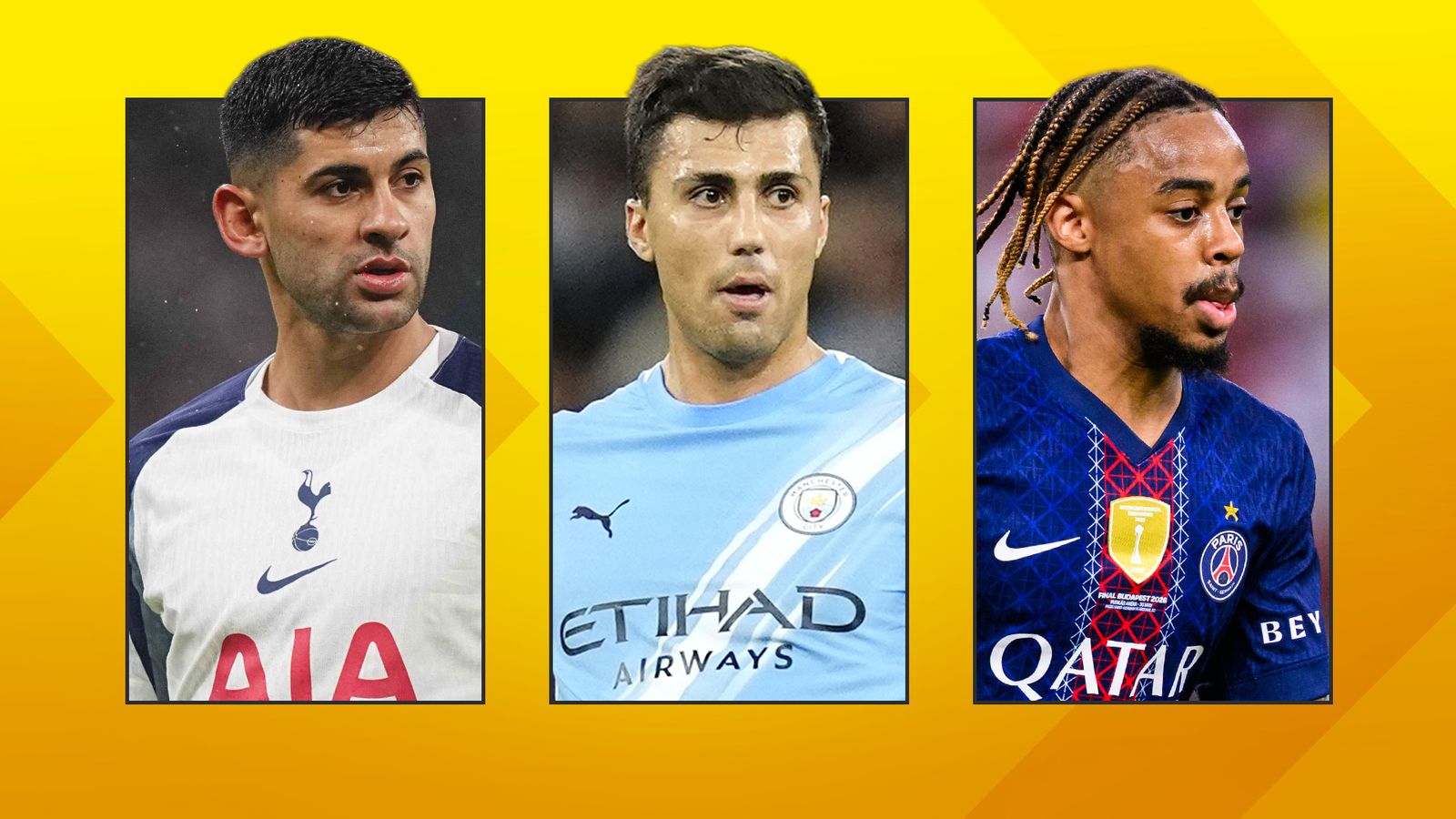
Measuring the efficiency of player identification
In the digital era of sports engagement, BBC's daily player identification challenge has captured a specific niche of football obsession. As of July 18, 2026, the game has reached the 41st iteration of its guessing sequence. Tracking the success rates across these 41 distinct attempts reveals the statistical baseline for how fans process player data.
To reach success, a user typically works through a filtered tree of attributes: nationality, league, position, and age. The most efficient players solve these in under six attempts, utilizing a heuristic approach that mirrors data-driven scouting. On average, the top 10% of global players land the correct identifier within 3.4 guesses. This efficiency indicates a high level of pattern recognition regarding the current global talent pool.
The cost of high-entropy choices
The game exposes a significant variance in guessing strategies. When the target player hails from a lower-tier league, the mean number of attempts spikes by 42%. Users often default to the highest-probability path—targeting players in the Premier League or La Liga—before adjusting for secondary data points. This bias confirms that individual knowledge bases are heavily weighted toward domestic narratives, missing the nuances of international development.
Data across these 41 entries shows that position-guessing acts as the most critical bottleneck. Misidentifying a player as a forward when they function as an inverted winger adds an average of 1.8 additional steps to the end user's process. The sheer volume of tactical evolution has rendered rigid positional definitions outdated. The game acts as an unintentional audit of the user's awareness of these shifting roles.
The reality check
Despite the engagement metrics, a critical flaw exists in the data distribution. The game relies on a narrow selection of "stars" which creates a feedback loop. When the list of candidates is restricted to global headliners, the skill of the identifier is capped. A player who correctly guesses a rotational midfielder from the Bundesliga deserves more credit than someone landing a marquee name in 1 attempt.
Ultimately, the game highlights how much of our football intuition is governed by name recognition rather than actual performance metrics. The 41st installment serves as a reminder: we might know the faces, but we often fail to account for the actual statistical distribution of talent across the globe. Analyzing the game confirms that while users are quick to identify icons, they struggle significantly when the difficulty curve is shifted away from the predictable, mainstream choices.
Read Next