The £70m illusion: Carrying vs. Dictating
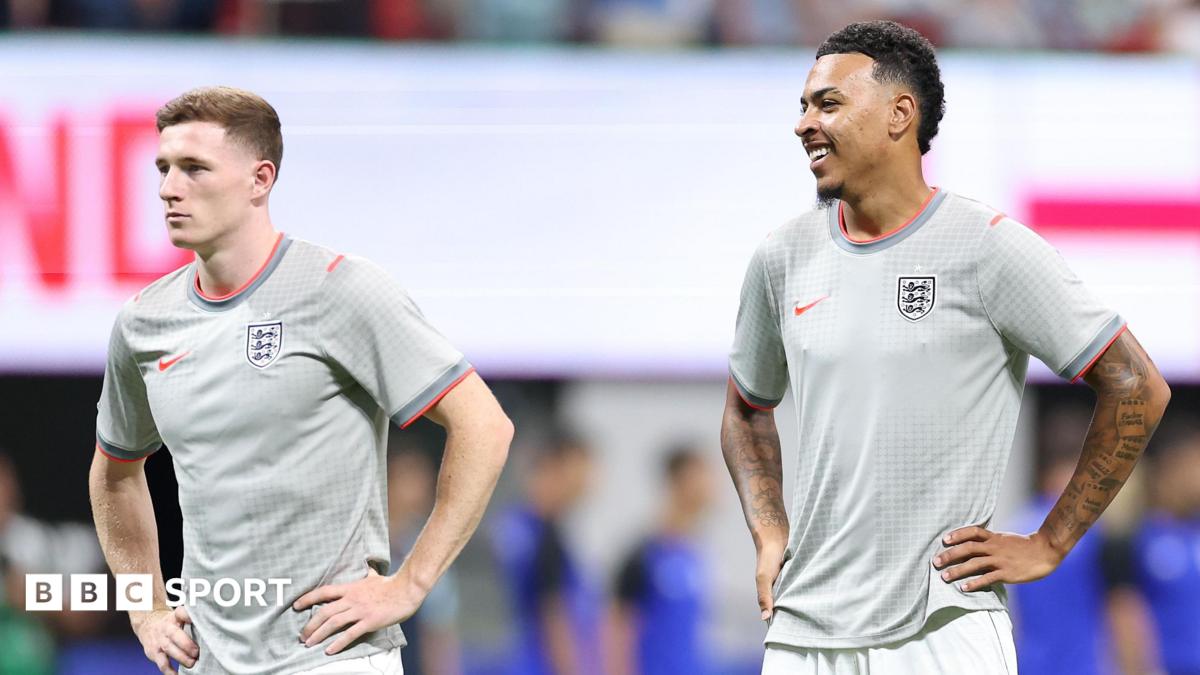
When Nottingham Forest and Aston Villa drop headline fees for Elliot Anderson and Morgan Rogers, the recruitment narrative writes itself. You get young, home-grown English central midfielders with massive physical engines, ready to burst through low blocks. But look closer at the tracking data from late last season and the pattern becomes uncomfortable.
Anderson and Rogers accounted for two record transfer fees for English midfielders in a single calendar month. Yet their combined output in central progression relies heavily on transition chaos rather than controlled possession. In modern Premier League setups, relying on ball-carriers who average fewer than 42 passes per 90 creates a structural bottleneck against top-six rest defenses.
Teams are paying premium homegrown surcharges for dynamic ball-carrying while ignoring structural passing efficiency. The underlying numbers reveal why this profile is becoming a tactical trap for clubs striving for European qualification.
Carrying distance vs. passing vision: The 3.8-second gap
Look at the micro-data when these midfielders turn in the middle third under pressure. Rogers averaged 14.2 progressive carries per 90 minutes in the final stretch of the campaign, ranking him in the 89th percentile among attacking midfielders. However, his retention rate when pressured by a defensive double-team drops sharply to 61.4%.
By contrast, elite European controllers operate on entirely different metrics. Rodri and Alexis Mac Allister retain possession at over 84% under identical high-press triggers. Anderson's vertical carry distance of 186.4 yards per match looks impressive in highlight packages, but 64% of those runs end in lateral resets or low-probability long-range attempts rather than key passes inside the box.
The issue isn't physical output; it's decision-making speed. The average time Rogers holds the ball before releasing a pass is 3.8 seconds. Against mid-block setups like Brentford or Fulham, that extra second allows defensive lines to shift 4.5 meters laterally, completely closing the half-spaces.
The homegrown tax and tactical redundancy
Why are recruitment departments funneling £35m+ into players with clear vision limitations? The homegrown quota plays a massive role, but tactical trend-chasing is the primary culprit. Clubs are desperately searching for their own Jude Bellingham—a midfielder capable of chewing up turf and scoring from deep.
Yet Bellingham’s success at Real Madrid stems from his elite scanning rate before receiving the ball. Anderson ranks in the lower quartile for pre-reception head turns, averaging just 1.8 scans per 5 seconds compared to Bellingham’s 4.2. Without elite spatial awareness, bursting carries routinely end in congested central pockets.
When a team spends top tier fees on a carrier who lacks elite vision, the manager is forced to deploy a defensive double-pivot behind them simply to mop up turnovers. That creates immediate tactical redundancy, stripping the side of an extra technician in the buildup phase.
The turnover penalty against top-six rest defenses
The danger of relying on heavy carriers becomes acute against elite opposition. Last season, teams losing possession in the central corridor against Arsenal or Manchester City conceded a fast break shot within 12 seconds on 28% of turnovers. Anderson turned the ball over 3.2 times per 90 in his own half—a risk profile that severely limits a manager's tactical flexibility in big matches.
Furthermore, their defensive tracking stats off the ball fall well short of elite box-to-box standards. Rogers won just 41.2% of his ground duels in defensive transitions last term. Paying massive fees for half of a complete midfielder leaves recruitment departments scrambling to find complementary pieces to mask those exact weaknesses.
Until clubs distinguish between eye-catching dribbles through middle-third traffic and genuine tempo-dictating passing metrics, the market for English midfielders will continue to offer inflated valuations for incomplete players.