The Architect's Ledger
Pep Guardiola is not merely a coach; he is an obsession that forces the entire sport to play catch-up. As of July 2026, his move toward the Italian national team signals his final evolution into international management, marking a shift from club-level dominance to the condensed intensity of tournament football.
1. The 2010-2011 Barcelona Final
This is the absolute apex of positional dominance. Watching his side destroy Manchester United at Wembley remains the gold standard for tactical superiority. They held 63% possession and forced United into a frantic, disjointed mess that looked amateurish by comparison.
2. The 2022-2023 Treble Season
Guardiola finally solved his own riddle by successfully integrating a genuine striker. Erling Haaland provided the finishing touch that pushed City over the line in the Champions League. It was the brutal, clinical conclusion to his Manchester project.
3. The 'False Nine' Genesis
Moving Lionel Messi into a central pocket created a tactical black hole that opponents could never escape. By sacrificing a traditional striker, he gained an extra midfielder to suffocate the middle of the pitch. It essentially rendered the traditional defensive line obsolete.
4. The 2011-2012 Final Season at Barcelona
While often remembered for losing the league to Real Madrid, the sheer volume of goals produced was hypnotic. Guardiola pushed his players until they burned out, but the aesthetic purity of that squad peaked at a near-impossible level. It stands as a warning about the toll his intensity takes on a locker room.
5. The Bayern Munich 'Inverted Fullback' Experiment
Transitioning Philipp Lahm into the midfield transformed how the entire world viewed defensive responsibilities. He turned a world-class defender into a primary playmaker overnight. It was the first time we saw a coach weaponize fullbacks to control the tempo of a game centrally.
6. The 100-Point Manchester City Campaign
Crossing the triple-digit threshold in 2017-18 was a display of relentless efficiency that redefined expectations for the Premier League. Setting a record of 106 goals in a single season made the competition look like an afterthought. Teams simply stopped trying to win the ball, focusing instead on damage control.
7. The Introduction of John Stones as a Hybrid Midfielder
During the 2022-23 season, repositioning a center-back into a pivot role felt like a gamble that defied logic. Yet, it solved City's transition defense issues immediately. It proved that Guardiola's arrogance is usually backed by structural genius.
8. Managing the Italy Talks
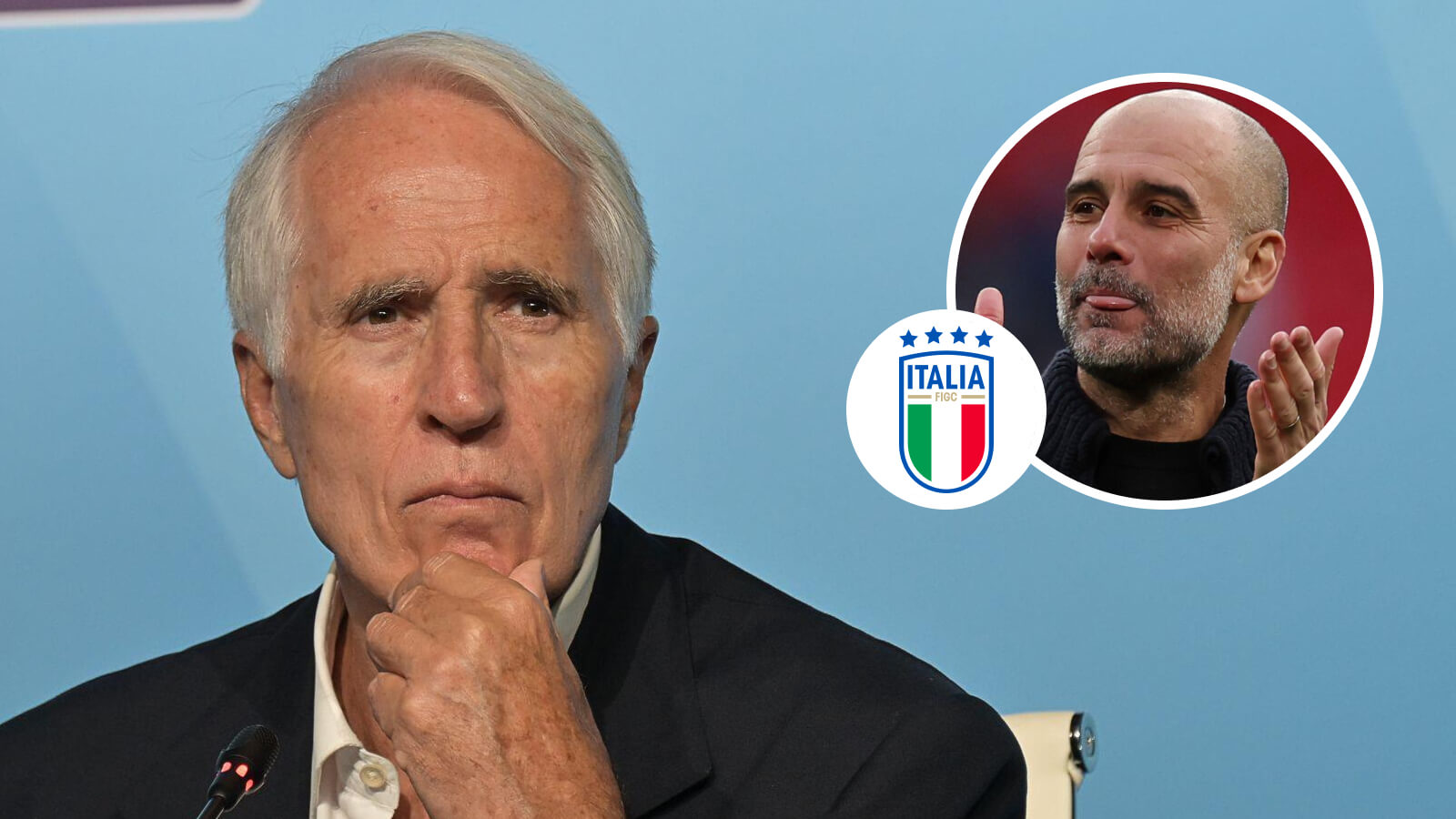
His current discussions with the FIGC, as reported by the Mirror, show a man seeking a final, difficult challenge. Giovanni Malago’s confirmation that the federation is prepared to make financial exceptions suggests that Italy views this as a national project. Managing a country with less time to coach is his most significant remaining hurdle.
9. The 2019 Premier League Comeback
Winning the title by a single point against a relentless Liverpool side highlighted his mental fortitude. Many managers would have folded under such consistent pressure. He turned a massive points gap into a championship by purely force of will.
10. The 2008-2009 Promotion of Sergio Busquets
Taking a raw, unknown youth prospect and placing him ahead of Yaya Toure for the holding role was a massive risk. It defined the decade for Spanish football. Without that specific decision, the tiki-taka era would have lacked the structural anchor that protected his creative geniuses.
The Big Picture
Guardiola is a victim of his own high standards, often burning out squads by the third or fourth year. His flirtation with the Italian FA, detailed extensively by Sky Sports, confirms he is bored with standard club structures. If he takes the job, he will spend his remaining career trying to force high-possession football into the rigid heart of Italian defensive grit.
Honorable Mentions
His handling of the Kevin De Bruyne transition to a deeper role deserves a nod, as does his early development of Pedro and Cuenca at Barcelona. However, both were more evolutionary than revolutionary when compared to the items listed above. His inability to win the Champions League with Bayern Munich remains the only true stain on an otherwise glittering career trajectory.