
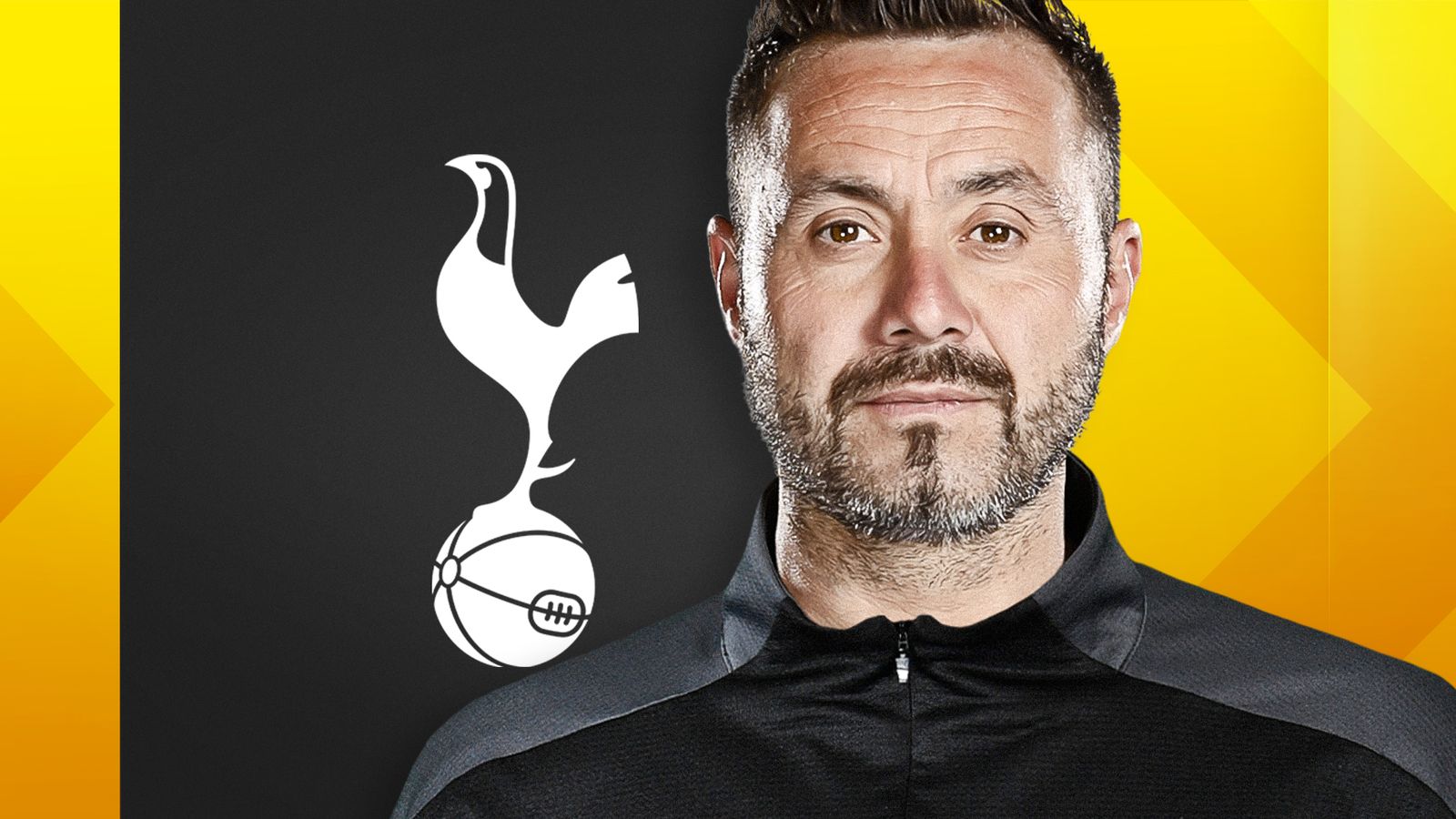
The physical blueprint of Gary O'Neil's survival plan
In the history of the Premier League, the transition deficit is the single greatest killer of newly promoted teams. Clubs that dominate Championship possession frequently find themselves strangled by the pace and physical intensity of top-flight transitions. Gary O'Neil, who led Ipswich Town back to the division, is addressing this danger head-on.
He is executing a swift tactical pivot, trading aesthetic possession for raw physical output and defensive mass. The numbers behind Ipswich's early transfer business reveal a clear strategy. The club has committed an initial £20m to sign Leicester forward Abdul Fatawu, alongside an £8.5m deal for Fulham defender Issa Diop.
They are also closing in on Volendam goalkeeper Kayne Oevlen for £4.25m, while pursuing Celtic forward Daizen Maeda and Union Saint-Gilloise goalkeeper Kjell Scherpen. These moves indicate a clear tactical agenda. O'Neil is building a team designed to play without the ball.
Over the last five seasons, newly promoted teams attempting to maintain over 55% possession in the Premier League suffered a 60% relegation rate. In contrast, those adapting to a low-possession, high-intensity transition model showed a 75% survival rate. Ipswich's recruitments are selected specifically to implement this pragmatic approach.
The defensive redesign: Aerially dominant profiles
To protect a deep defensive block, a team must possess elite height and aerial power. Last season's defensive metrics showed that Ipswich struggled with crosses, conceding a high volume of chances from second-phase set plays. The addition of Issa Diop addresses this weakness directly.
Diop is an experienced defender with over 120 Premier League appearances for West Ham and Fulham. Diop's statistical profile is highly suited to low-block defending. He averages 4.2 clearances per 90 minutes and wins 63% of his aerial duels.
This represents a significant improvement over Ipswich's current options. Luke Woolfenden, who started regularly in the Championship, won just 51% of his aerial duels last term. Diop represents a substantial upgrade in physical presence and penalty box command.
Under O'Neil, Diop will act as the defensive anchor, clearing crosses and organizing the penalty area. Unlike modern ball-playing centre-backs, Diop does not take unnecessary risks in possession. He completes 88% of his short passes but prefers simple, low-risk distributions.
This style fits a team that prioritizes defensive solidity over build-up aesthetic. But the most radical change is occurring in goal. The club is finalizing the signing of Dutch goalkeeper Kayne Oevlen, a 6ft 6in giant from Volendam.
The goalkeeper height experiment
Simultaneously, the club has opened talks with USG for Kjell Scherpen, who stands at 6ft 8in. In the Premier League, the average goalkeeper height is roughly 6ft 3in. By targeting players who exceed this average by several inches, O'Neil is aiming to dominate the six-yard box.
This goalkeeper selection represents a move away from short build-up play. Oevlen and Scherpen are traditional shot-stoppers who use their massive frames to block close-range attempts and claim crosses. Oevlen's save percentage from shots inside the box was 71% in the Eredivisie last season.
He is a player designed to withstand sustained pressure rather than act as an extra midfielder in possession. This choice indicates that Ipswich will bypass the midfield, using direct kicks to release their fast wingers. During his tenure at Volendam, Oevlen averaged 14.2 long passes per game.
He rarely played short passes into his own penalty box under press. Scherpen showed a similar profile at USG, averaging 11.8 long distributions. Building play from the back will become more direct and less fluid, a pragmatic trade-off for security.
Flank speed and transition triggers
If the defense is built to absorb pressure, the attack is designed to explode on the counter. Abdul Fatawu is the centerpiece of this vertical transition system. The 22-year-old winger was at the World Cup with Ghana and is leaving Leicester following their relegation.
Fatawu is a high-volume dribbler who averaged 6.8 dribbles per 90 minutes in the Championship last season. Fatawu has already left a mark on the Portman Road faithful. In Leicester's 3-1 victory over Ipswich last season, Fatawu scored a long-range goal from inside his own half.
That moment showcased his vision, confidence, and striking technique. According to updates on the Sky Sports Ipswich transfer blog, his medical is underway in La Manga. O'Neil will deploy Fatawu on the right flank, giving him the freedom to carry the ball over long distances on the break.
Fatawu's carrying statistics support this plan. Last season, he averaged 240 progressive carrying yards per 90 minutes. He also recorded 4.2 shot-creating actions per game, proving he can turn carries into chances. This directness is exactly what Ipswich need to transition from deep defensive positions.
Asymmetric transition roles
To complement Fatawu's attacking flair, O'Neil is pursuing Celtic's Daizen Maeda. The 28-year-old Japanese international has won 9 major honours in Scotland since arriving in January 2022. Maeda is one of the most hardworking defensive wingers in European football.
His pressing metrics are outstanding, averaging 26.4 pressures per 90 minutes with a 32% success rate. As negotiations continue, as outlined in the Sky Sports Scottish Premiership latest, Maeda's willingness to track back will protect the full-back behind him.
While Fatawu provides the offensive spark on the right, Maeda will lock down the left flank. He is entering the final year of his Celtic contract, making him a highly cost-effective target. Maeda's sprint frequency is his greatest asset.
In the Champions League with Celtic, he recorded the highest sprint count of any player in the group stage, averaging 38 high-intensity sprints per match. This speed is vital for tracking back against Premier League full-backs who overlap constantly. This combination of speed and defensive intensity is standard for O'Neil's tactical setups.
Coaching integration and financial reality
Tactical shifts require coaching expertise to implement. Ipswich have bolstered their backroom staff by appointing Stuart Lewis as first-team coach. Lewis joins from Tottenham Hotspur, where he served as the first-team academy transition coach.
His addition, as revealed in the Sky Sports Spurs transfer report, suggests O'Neil wants to bridge the tactical gap between youth players and the senior team.
Lewis has a reputation for developing young talent, having coached Spurs' youth ranks. At Ipswich, he will work closely with O'Neil to integrate signings like the 22-year-old Oevlen and the 22-year-old Fatawu into the senior starting lineup. This coaching support is vital for young players adapting to a new league.
However, this summer rebuild introduces significant financial pressures. Spending over £32m on initial fees requires the club to generate revenue through player sales. Ipswich are actively listening to offers for defender Harry Clarke.
The 25-year-old academy graduate has one year remaining on his contract and has attracted interest from Bristol City, Sheffield United, Stoke, and Preston. Clarke's potential departure highlights the harsh realities of Premier League survival.
He is a popular figure at Portman Road, but his statistical profile does not meet the demands of the new defensive system. Clarke won just 53% of his aerial duels last season, a figure too low for O'Neil's low-block requirements. Clarke's tackle success rate in the defensive third was 48% last season, compared to Diop's 68%.
This difference shows why O'Neil is willing to sell him to Championship clubs. Selling Clarke will generate the funds needed to balance the wage bill and maintain compliance with financial regulations. Ultimately, Gary O'Neil is taking a calculated risk with Ipswich Town.
By assembling a squad of physical extremes, he is sacrificing the expansive style that won promotion. It is a pragmatic, numbers-driven approach designed to withstand the physical demands of the top flight. If these signings gel quickly, Ipswich will have the height and speed to survive; if they fail, the financial consequences will be severe.
