The preseason signal
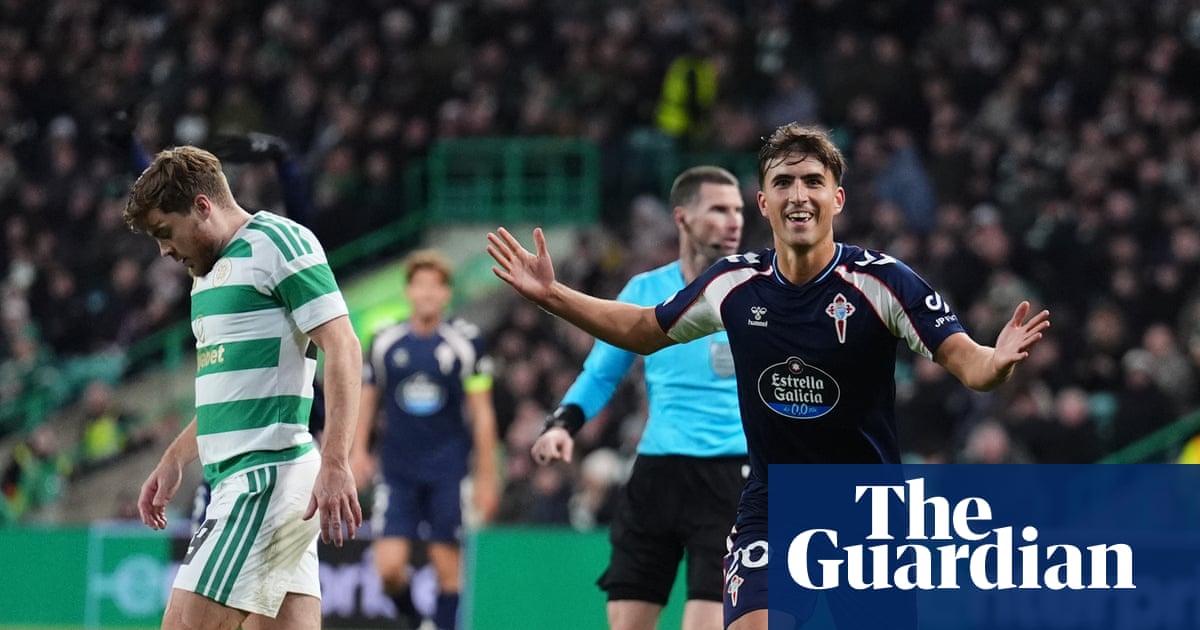
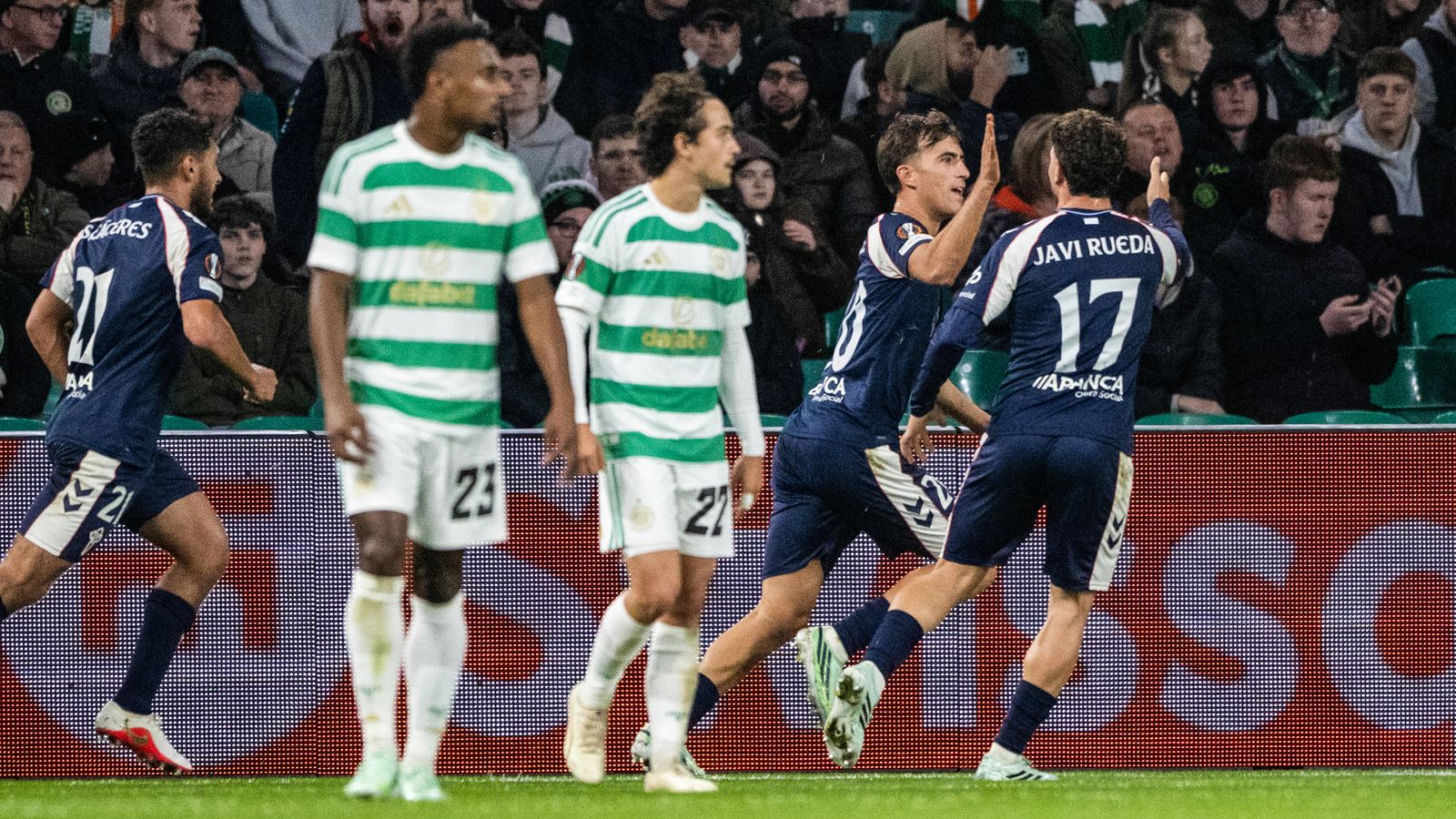
Preseason friendlies are notorious for flattering mediocrity. Managers rotate squads, fitness levels vary, and tactical intensity rarely matches a competitive fixture. Yet, Francesco Camarda’s performance against Celtic offered something different. Scoring a brace when the ball hit the net in the 14th minute and again in the 32nd minute wasn't just about finishing. It was about positioning in the half-spaces that forced Celtic's center-backs into a state of panic.
Ruben Amorim’s immediate post-match declaration is telling. He explicitly stated that Camarda will stay with the senior squad for the duration of the cycle. This isn't lip service to a youth prospect; it is a tactical decision to integrate a finisher who operates with a composure that belies his age.
The tactical shift under Amorim
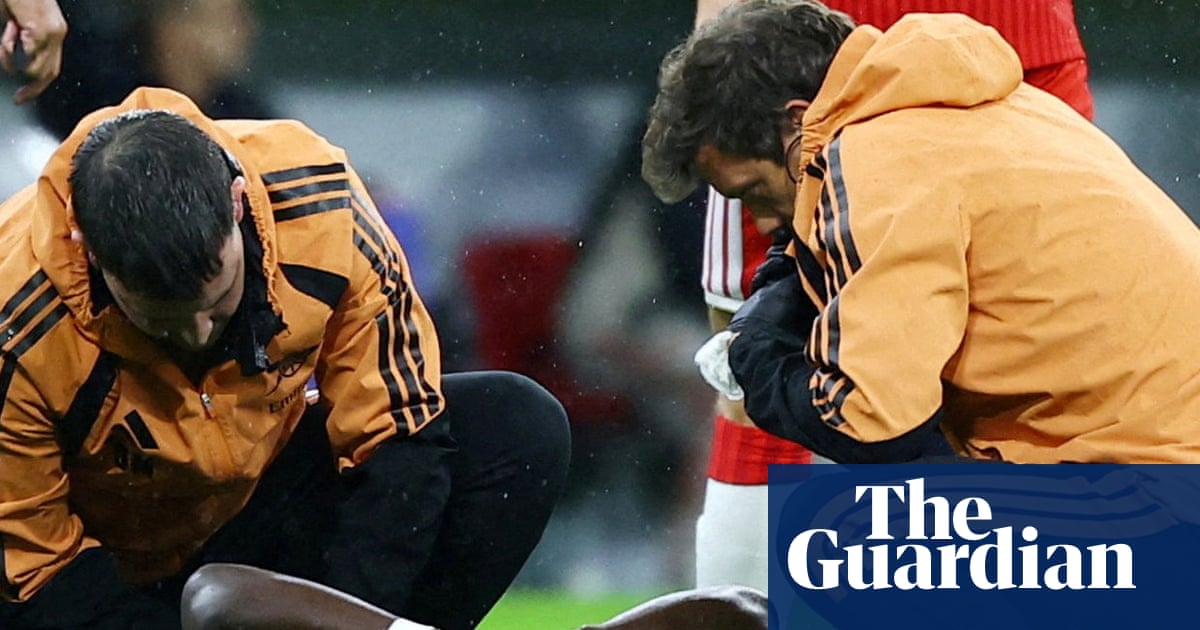
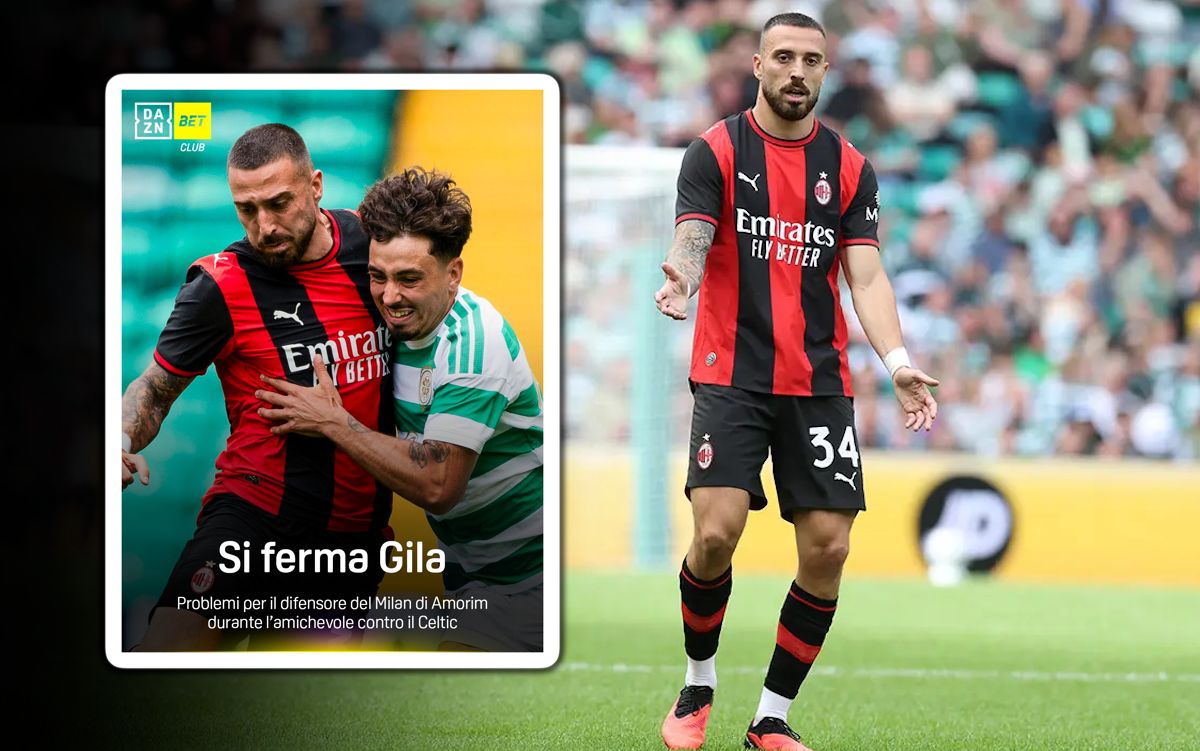
Amorim has clearly signaled a move toward a more dynamic front line. We saw glimpses of this against Celtic, albeit interrupted by the injury to Mario Gila. When Gila pulled up with muscle discomfort, the backline stability wavered, yet the forward movement remained clinical. As reported after the match, the physical toll shows that Milan is pushing high-intensity patterns early in the preseason.
Camarda’s movement allows for a central striker to drift wide, creating pockets of space for incoming midfielders. If he continues to demonstrate this level of link-up play, the reliance on a singular veteran target man vanishes. This adds a layer of unpredictability to the starting eleven that Milan lacked during the previous campaign.
The reality check
We need to be critical of the defensive transition. Gila’s muscle injury serves as a reminder that the current intensity levels are precarious. Amorim’s reflections suggest he is comfortable with the high-risk, high-reward nature of this system, but one injury to a key defender during a league tie could derail these ambitions entirely.
Furthermore, while Camarda’s brace was clinical, relying on a teenager to shoulder the scoring burden in the Serie A is a massive gamble. The physical demands of domestic league play are significantly higher than those seen in these summer rotations. If he struggles to maintain 60 minutes of pressure, the drop-off in production will be noticeable.
The trajectory
Camarda has openly labeled his recent extension and this brace as a 'starting point.' His work rate off the ball—tracking back to initiate the press—is the most impressive part of his evolution. He moves as if he realizes that his spot in the rotation depends on tracking back as much as putting the ball in the net.
Milan should look to utilize him in a 30-minute impact role for the opening months. If he accumulates a total of 12 goals across all competitions before the winter break, we should consider that an overwhelming success for a player his age. The infrastructure is there, the intent from Amorim is clear, and the player is hungry. The only remaining question is whether the rest of the squad can sustain the intensity required to support him.
Read Next
- Francesco Camarda is making the hype train look like a bullet train
- Jhon Durán is giving Celtic the chaotic edge Brendan Rodgers desperately needed
- Jhon Durán's immediate impact proves Celtic's aggressive pressing strategy works
- Milan heading to Celtic without Nkunku and Estuipinan is sloppy
- 🇫🇷 France World Cup 2026 — Les Bleus Hub