The profile shift at Camp Nou
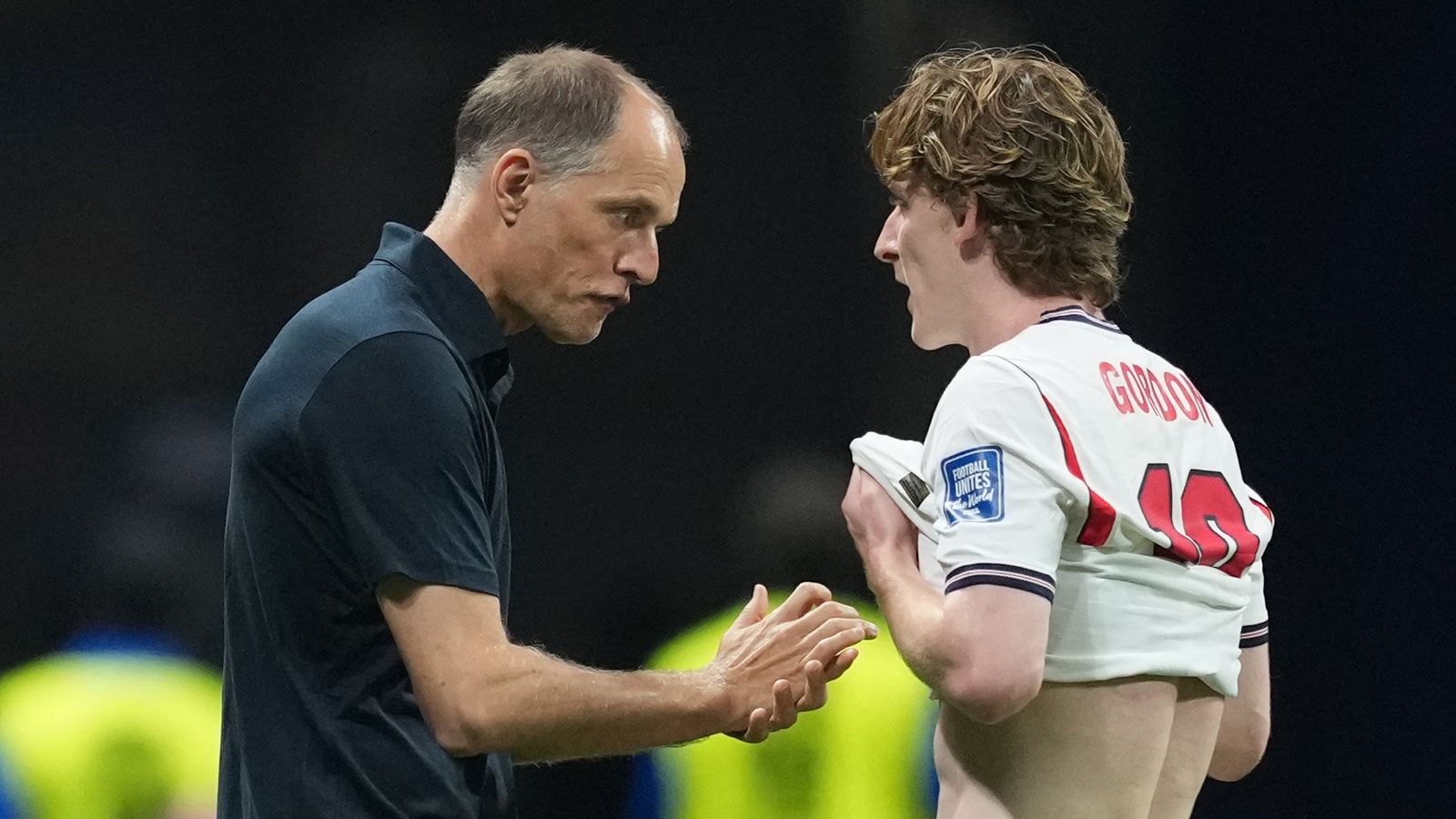
Barcelona’s pursuit of Anthony Gordon represents a fascinating, if confusing, pivot in their wing recruitment strategy. We are looking at a player whose output at Newcastle was defined by raw verticality and high-volume pressing, traits that clash with Hansi Flick’s positional play obsession. When Newcastle moved him for a reported £80m, they weren't just clearing books; they were offloading a specialist in a league that plays at a different tempo than La Liga.
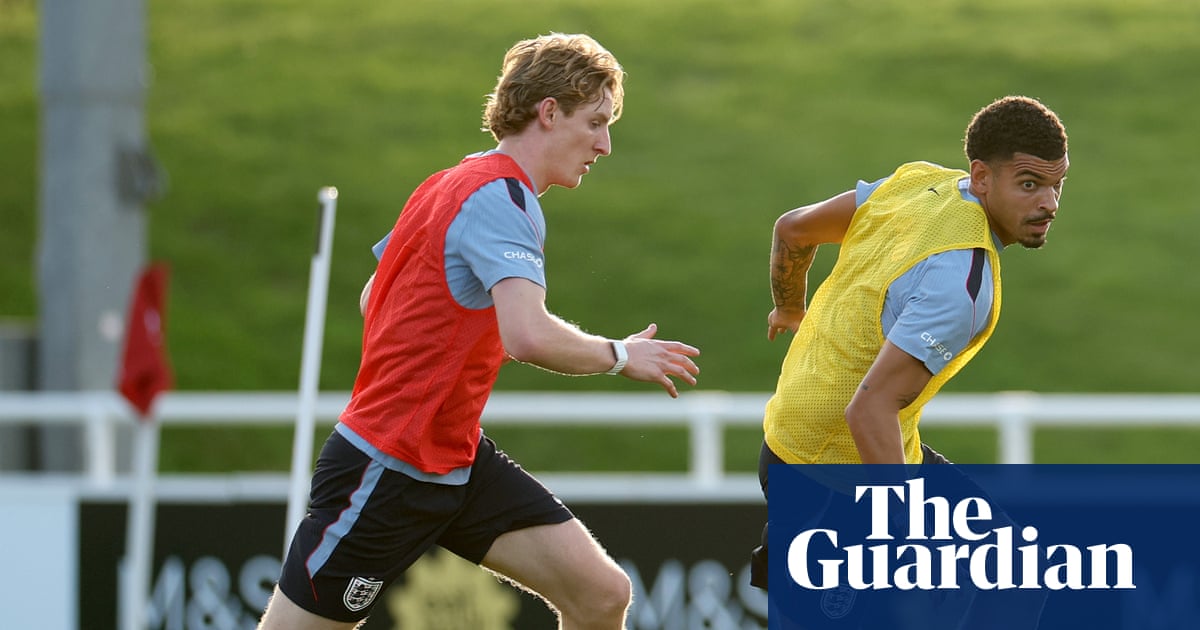
Gordon thrives in chaos. At St. James' Park, he excelled in secondary transitions, driving into the final third before defensive blocks could reset. However, Barcelona under Flick demands extreme patience against the low-block teams that populate the bottom half of the Spanish top flight. Watching his tape from the last two seasons, there is a clear reliance on long-ball releases which simply won't land at the feet of a side that prioritizes keeping the ball on the grass.
The statistical friction point
The numbers behind this move are jarring. Gordon’s pass completion rate often hovered around the 78% mark at Newcastle, a figure that is frankly untenable for an interior winger in Catalonia. Compare that to the technical security required in the tight zones of the final third, and the risk becomes apparent. A team like Newcastle could survive a turnover in the middle because of their aggressive man-marking structure; Barcelona’s high line is far more exposed.
There is also the matter of the three secret clauses mentioned in recent reports by The Mirror, which suggest the deal is incentive-heavy. If these are appearance or goal-contribution markers, Barcelona is betting on a player to change his fundamental style mid-career. Expecting a direct, touch-line hugging winger to morph into a creative hub who pulls apart zonal defenses is a heavy lift for the coaching staff.
The defensive liability
Gordon’s work rate is commendable, but his tactical discipline is questionable. Often, he finds himself caught too far up the pitch, leaving his fullback in a 2v1 situation on the flank. While this aggressive positioning helped Newcastle kill off leads, it poses a direct threat to the, at times, precarious equilibrium of a back four that already pushes high to squeeze space. One bad touch or a mistimed press, and he’s out of the play entirely.
Barcelona fans might be hoping for him to replicate the impact of quick wingers from the past, but the current tactical requirements have evolved. He isn't a successor to the La Masia blueprint of weaving triangles; he is an athlete playing against a game of intervals. If this move fails, it won't be for lack of exertion, but for a fundamental disconnect between his instinct to run forward and the team's need to hold the center. Barca are essentially paying top dollar for a luxury piece that doesn't fit the geometry of the starting XI.