Early Pace and Tactical Reality at the Top
Three matches into the Premier League campaign, Arsenal and Manchester City have already established a relentless rhythm. Both clubs sit level at the summit with three wins from three, throwing down an early challenge to the rest of the division. If anyone expected a slow start after a short summer break, the opening weeks quickly put that notion to rest.
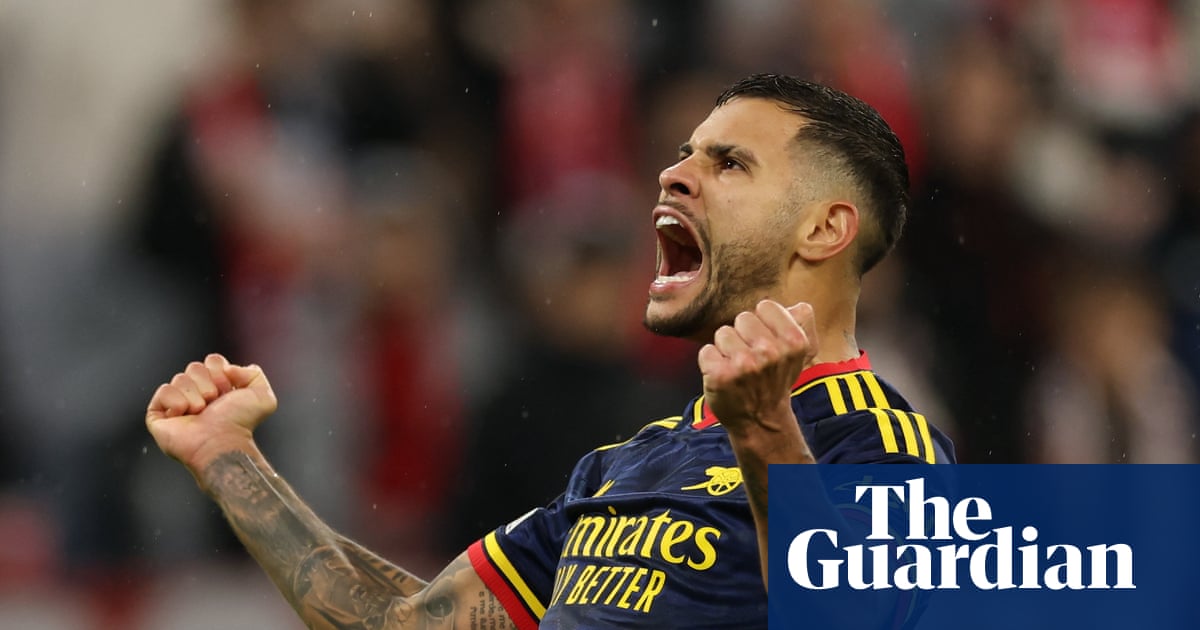
Mikel Arteta's side delivered the most emphatic statement of the weekend with a hard-fought 2-1 win against Chelsea. Kai Havertz opened the scoring with a sharp front-post run before Martin Odegaard doubled the lead from the edge of the penalty box. Chelsea threatened a late comeback when Morgan Rogers pulled a goal back, but Arsenal held firm to seal three points.
Across town, Manchester City matched Arsenal's tempo after putting away Coventry City earlier in the weekend. Enzo Maresca's team showed their usual mettle in possession, starving their opponents of the ball and controlling the tempo from the opening whistle. The result keeps City neck-and-neck with the champions as both squads prepare for midweek European duties.
The quality on display from both leaders has been remarkable, yet the margins at the top remain razor-thin. Arteta acknowledged as much when assessing his side's early momentum and the relentless demands of the schedule. Every single away fixture presents a tactical trap if intensity drops even five percent.
"It will be super hard and the margins as well," Arteta said. "We went to Villa Park and it was a really tough one. We go to Sunderland and it will again be so tough again."
Arsenal's Structural Edge and Vulnerabilities
Arteta's tactical framework relies heavily on structural discipline, particularly when suffocating opposition build-ups in the final third. Against Chelsea, Odegaard led the high press with intelligence, cutting off passing lanes to central midfielders and forcing hurried long balls. That pressing scheme directly created the turnover that led to Havertz's opening goal.
However, Arsenal were far from flawless throughout the ninety minutes. When Chelsea adjusted their shape in the second half, Rogers exploited space behind Arsenal's inverted full-backs to pull a goal back. That defensive lapse revealed a vulnerability when Arsenal's counter-press fails to lock down the flanks immediately.
Odegaard's early-season form has nevertheless provided Arsenal with an essential creative engine. The Norwegian playmaker is operating with supreme confidence, picking apart low blocks and dictating the tempo of matches. His ability to link midfield to attack remains the focal point of Arteta's offensive strategy.
As Mirror Football reported, both title rivals now face a relentless schedule that will test their squad depth to the absolute limit. Arsenal must navigate a Champions League fixture against Napoli before traveling to Sunderland. A Carabao Cup third-round tie against Ipswich awaits shortly after, followed by matches against Lille, Nottingham Forest, and Bayern Munich.
Managing player minutes across three competitions in four weeks requires delicate squad rotation. Arteta cannot afford to overplay key starters like Odegaard or Havertz without risking muscle injuries later in the campaign. The upcoming trip to Nottingham Forest on October 18 will reveal whether Arsenal's bench can maintain the standard.
Maresca's Depth Test and the Old Trafford Derby
For Manchester City, the path forward is equally demanding and fraught with high-stakes encounters. Maresca's side faces Porto in Europe before heading into the Manchester derby at Old Trafford on September 13. Following that derby clash, City host Norwich in the Carabao Cup before welcoming Paris Saint-Germain, Liverpool, and AEK.
Maresca has made it clear that maintaining a challenge across all fronts requires top-tier depth across every position. Without rotational options, even elite squads stall when European fixtures pile up alongside Premier League matches. City's manager remains confident that his roster possesses the necessary tools to handle the strain.
"In the end, if you want to be there you need options," Maresca noted. "Arsenal have options. We have options. More teams have options but it's not just us. I'm very happy with the options we have, that is something important for us if you want to compete."
The upcoming derby at Old Trafford serves as the first major benchmark for Maresca's tactical evolution at City. Manchester United must navigate a Champions League fixture against Sabah before hosting their city rivals. United then face a grueling stretch featuring Brighton in the Carabao Cup, Spurs, Atletico Madrid, Como, and Bournemouth.
United's defensive shape has looked suspect during moments of rapid transition in their opening fixtures. If United leave open spaces between their midfield pivot and defensive line, City's interior runners will exploit those gaps ruthlessly. Maresca will target United's wide areas, using overlapping wing-backs to create two-on-one overloads against United's full-backs.
Meanwhile, Liverpool are attempting to stay within touching distance under Andoni Iraola after a mixed start to their campaign. Iraola has struggled to find the ideal midfield balance, leading to inconsistent defensive coverage during defensive transitions. Liverpool face Atletico Madrid next in Europe, followed by Spurs in the Carabao Cup, LASK, Brentford, and Villarreal.
According to the upcoming fixture breakdown, the sheer volume of games will expose any side lacking tactical flexibility. Iraola must stabilize Liverpool's defensive structure quickly if they hope to climb back into the top-four conversation. Dropping points during this September window could leave Liverpool playing catch-up for the remainder of the autumn.
Autumn Fixture Congestion and Final Prediction
Chelsea also find themselves at a crossroad after dropping points against Arsenal at the weekend. While Rogers' goal demonstrated their attacking threat, their defensive organization dissolved far too easily during Arsenal's set pieces. Chelsea must tighten their defensive compactness if they wish to challenge the established top two.
The tactical battle between Arteta and Maresca is rapidly becoming the defining narrative of the Premier League season. Both managers demand positional perfection and intense counter-pressing from their players. Yet, their subtle differences in building out from the back offer a fascinating contrast for tactical observers.
Arteta favors asymmetric full-back movements, pushing one full-back into midfield to form a double pivot alongside his central defensive midfielder. This structure provides structural stability against counter-attacks while allowing Odegaard freedom to roam in the right half-space. When executed cleanly, opponent wingers are pinned deep in their own defensive third.
Maresca, by contrast, relies on fluid positional rotation where wingers hold extreme width to stretch opposition backlines horizontally. This approach opens central passing lanes for deep-lying playmakers to slide incisive vertical passes into the penalty area. When City find their rhythm, opposing defenses are forced into constant lateral shuffling until a gap opens up.
Despite City's tactical brilliance, their defensive vulnerability on set pieces remains an unresolved issue. Opponents who target the back post with heavy dynamic runners have managed to create high-xG scoring opportunities against City's zonal marking scheme. If Maresca does not fix this flaw, physical teams like Everton or Newcastle will capitalize in domestic play.
Arsenal's primary concern centers on goalscoring efficiency when teams drop into an ultra-compact low block. While Havertz provides intelligent link-up play, Arsenal sometimes lack a ruthless focal point when crosses flood the box. Finding alternative scoring channels will be paramount when facing stubborn opponents like Sunderland or Nottingham Forest away from home.
The international break offers both coaching staffs a brief opportunity to evaluate tactical tweaks before autumn fixtures commence. Video analysis of the opening three matches will shape training ground drills over the coming days. Managers know that momentum built in September often dictates title race positioning heading into the winter period.
Supporters are preparing for a thrilling marathon as both leaders prepare to resume their domestic campaigns. With zero room for error at the top, every single match carries enormous weight in determining who stays out front. The standard required to win the title appears higher than ever before.
When Manchester City travel to Old Trafford on September 13, expect a high-tempo tactical battle dominated by midfield duels. City's superior positional play should allow them to control possession and isolate United's full-backs in wide areas. United will rely on rapid counter-attacks, but City's rest defense ought to neutralize those fleeting moments of danger.
City will claim a decisive 2-0 derby victory to maintain their pressure at the summit of the table. Arsenal, meanwhile, will narrowly edge Napoli in Europe before grinding out a tough victory at Sunderland. Both heavyweights are built for the long haul, but City's tactical versatility gives them a fractional edge in this opening stretch.
Read Next
- Top 10 Moments: Kai Havertz vs Viktor Gyokeres and Arsenal's Striker Debate
- Arteta has Arsenal flying while Alonso's Chelsea defense bleeds goals
- Arsenal survived Chelsea's early shock to prove who really runs London
- Arsenal's comeback against Chelsea proved Mikel Arteta still rules London
- ⭐ UCL 2026 — Champions League Quarter-Finals Hub