England's hydration hack won't save them from tactical heatstroke
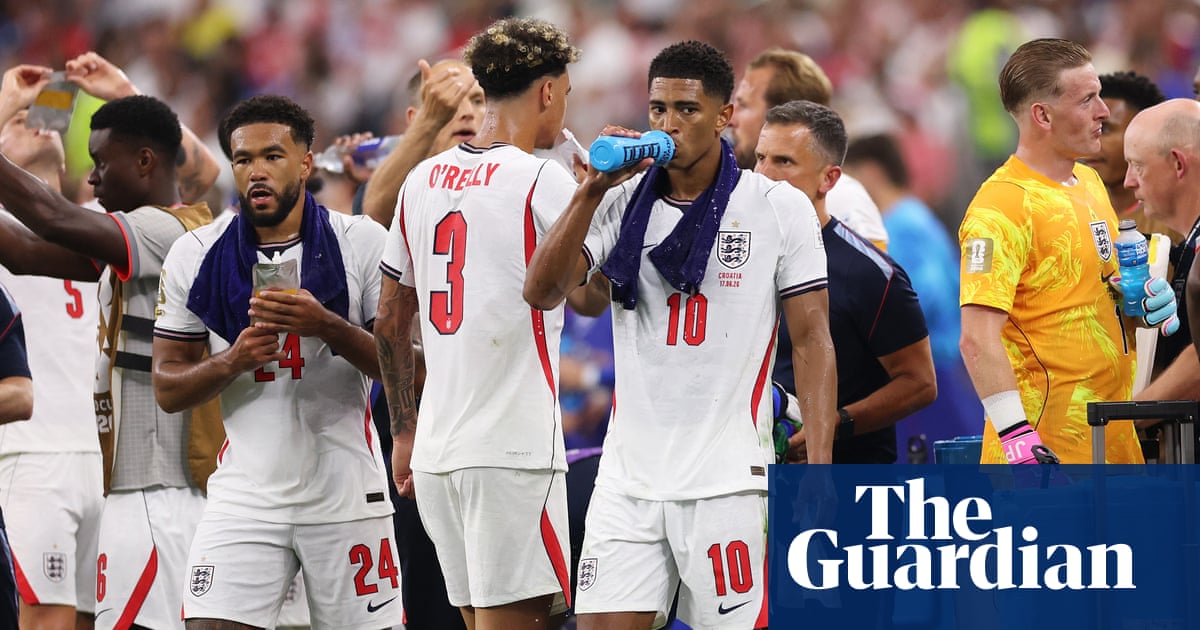
England is trying to beat the North American summer heat with sports science. In the suffocating temperatures of the 2026 World Cup, where stadium thermometers have already touched 38 degrees Celsius in Texas and Monterrey, physical survival has become the primary talking point. The Football Association has partnered with Alistair Brownlee’s company to supply the squad with CoreCtrl, a new sports drink designed to lower the temperature threshold at which the human body begins to sweat, as detailed in the initial announcement.
As The Guardian reported today, England's players are consuming the drink before matches to accelerate their cooling mechanism. Lowering the sweating threshold triggers sweat production earlier, preventing the core body temperature from rising too quickly during high-exertion periods. It is a clever marginal gain from a double Olympic triathlon champion who knows the physical limits of heat tolerance better than anyone.
But football is not a continuous, steady-state endurance race. It is a sport of high-intensity sprints, rapid direction changes, and tactical positioning. Running faster and longer only helps if you are running in the right directions.
The Physiological Gamble of Accelerated Sweating
Sweating earlier keeps the core temperature down in the first half. This prevents the initial spike in heart rate that leads to early fatigue. The hope is that England's midfielders can maintain their running metrics deep into the second half without hitting a physical wall.
However, this strategy introduces a significant physiological risk. Sweating earlier means the players are dumping fluids and electrolytes at an accelerated rate from the opening whistle. If a player fails to replace this fluid immediately, blood volume drops and heart rate spikes, defeating the purpose of the drink.
A midfielder like Declan Rice, who routinely covers 12.4 kilometers per match, faces a narrow margin for error. If the medical staff's hydration schedule is off by even a few ounces, the physical drop-off in the final 20 minutes will be catastrophic. Accelerated dehydration leads directly to slower cognitive processing and muscle fatigue.
Tactical Spacing Beats Physical Running
England's main issue under pressure has never been their physical fitness. It is their possession structure. When faced with a structured mid-block, their passing tempo slows to a crawl.
In their recent matches, England’s pass completion rate under defensive pressure dropped to 82 percent. The center-backs circulate the ball slowly, allowing the opposition defensive block to slide and cover passing lanes. This passive build-up play forces the midfielders to cover extra distance just to offer passing options.
Running more is a symptom of tactical failure. If you keep the ball, you make the opponent run in the heat. If you turn the ball over constantly, no sports drink will save your legs in the Texas humidity.
The Pressing Dilemma in Extreme Heat
Pressing teams always struggle in extreme summer heat. Data from past tournaments shows that high-intensity sprints drop by 15 percent in the second half when temperatures exceed 30 degrees. Teams that rely on a high press are forced to drop into a mid-block to survive the final half-hour.
The coaching staff wants the wingers to press the opposing full-backs aggressively. This requires constant, explosive shuttling up and down the pitch. CoreCtrl might delay the onset of fatigue by ten minutes, but it cannot fix the structural gap behind the press.
If the midfield line fails to push up in unison with the forward line, huge pockets of space open up. Elite opponents will exploit these gaps. Chasing players in those spaces is physically exhausting and tactically ruinous.
The Critical Flaw: The Midfield Transition
England's midfield transition remains slow and predictable. Jude Bellingham's vertical runs create space, but the deeper midfielders often fail to find him quickly enough. This delay allows the opposition to reset their defensive shape, forcing England back into lateral possession.
Against technical sides that excel at keeping the ball, England will chase shadows. Opponents will pass in triangles, using the ball to tire England out. Chasing the ball is twice as taxing as possession play, regardless of your sweat threshold.
Physical hacks cannot replace positional discipline. If England cannot control the tempo of the game with the ball, they will spend the tournament defending in their own half. That is a recipe for physical and mental exhaustion.
The Historical Trap of England's Tournament Fatigue
This is not the first time England has looked to science to solve a summer tournament problem. In past tournaments, we saw the FA introduce ice vests, cooling chambers, and customized altitude tents to prepare squads for extreme conditions. Yet, the physical collapse against Croatia in 2018 or Italy in 2021 showed that physical preparation cannot overcome tactical passivity.
When a team stops retaining the ball, they run more in defensive recovery. A player runs up to 30 percent more when defending than when attacking. No amount of hydration technology can compensate for the physical deficit of defending for 45 minutes straight.
If the midfield trio of Rice, Kobbie Mainoo, and Bellingham cannot control the tempo, England will repeat their past mistakes. They will drop deeper and deeper, inviting pressure and running themselves into the ground. The sports drink will only delay the inevitable cramping by a few minutes.
How Elite Opponents Will Weaponize the Heat
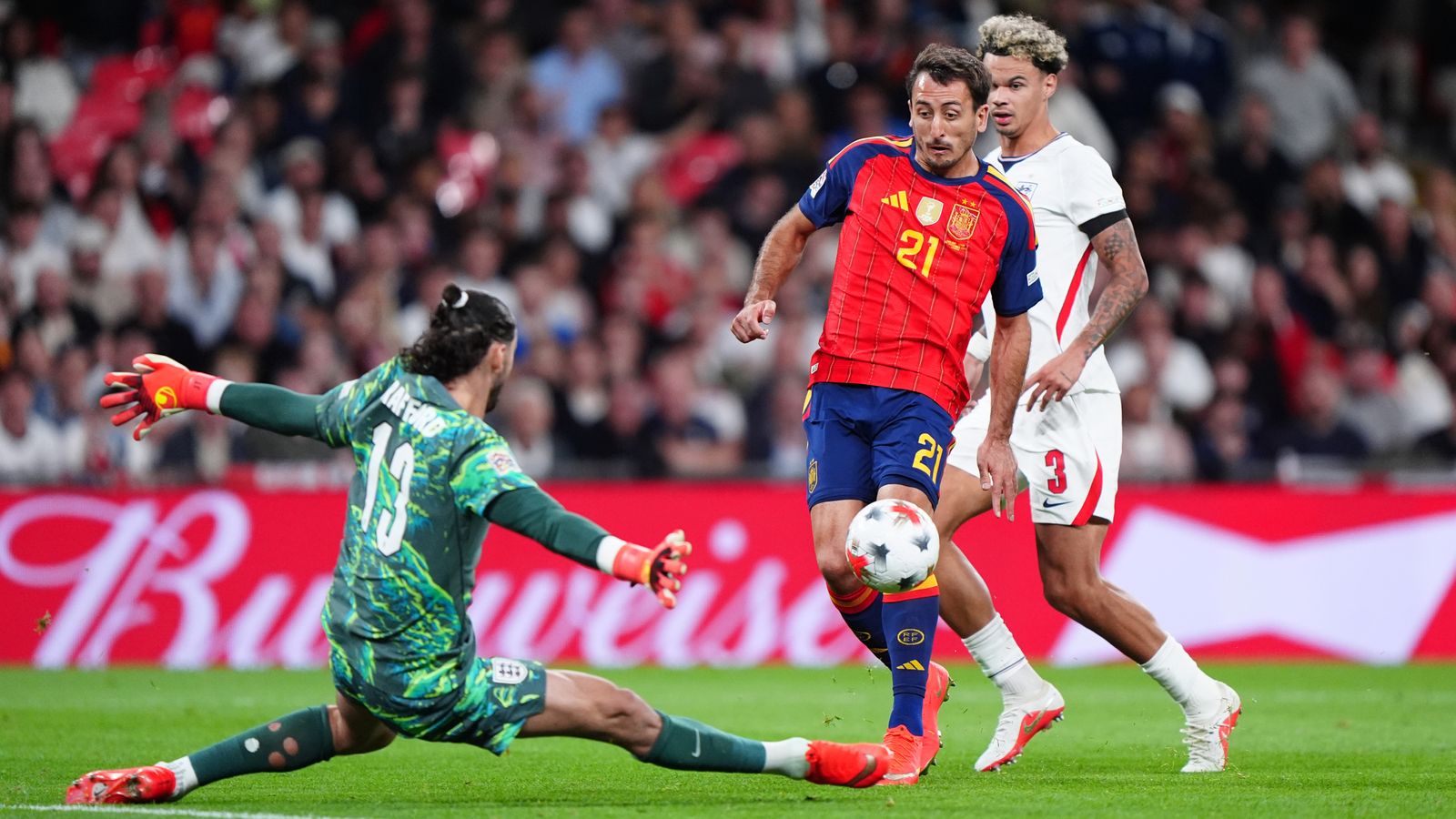
Tactically astute teams do not run themselves to death in summer tournaments. They use possession as a defensive tool to conserve energy while making the opponent chase. Spain and France excel at this, shifting the ball across the pitch to tire out the opponent's pressing lines.
Against a team that dominates possession, England's early-sweating strategy could actually become their downfall. If Spain keeps the ball for long stretches, England's players will sweat profusely while chasing, accelerating their dehydration. By the 75th minute, their physical reserve will be entirely spent.
This is the ultimate irony of the physical preparation. A tool designed to keep players cool could accelerate their exhaustion if they are forced to play without the ball. Tactical superiority remains the best hydration strategy in football.
The Prediction: A Familiar Quarter-Final Exit
England will navigate the group stage comfortably. The physical edge from their hydration strategy will make them look dominant against weaker teams. They will outrun opponents in the first hour and secure comfortable wins.
But the knockouts will expose their tactical limitations. When they face a team that can retain possession under pressure, their running stats will become irrelevant. They will drop deep, lose control of the midfield, and tire out.
England will meet Spain or Germany in the quarter-finals and suffer a familiar defeat. They will struggle to get out of their own half in the second period. The match will end in a 1-0 defeat, proving that tactical organization beats sports science every time.
Read Next
- England are drinking Alistair Brownlee's sweat potion to survive the World Cup
- Thomas Tuchel faces a right-back nightmare as England reach the knockouts
- Why DR Congo's low block is the ultimate test for Tuchel's England
- Why England's wide dysfunction could hand DR Congo a World Cup shock
- 🏆 World Cup 2026 — Full Coverage Hub
- 🏴 England World Cup 2026 — Three Lions Hub