The right-back crisis at the worst possible moment
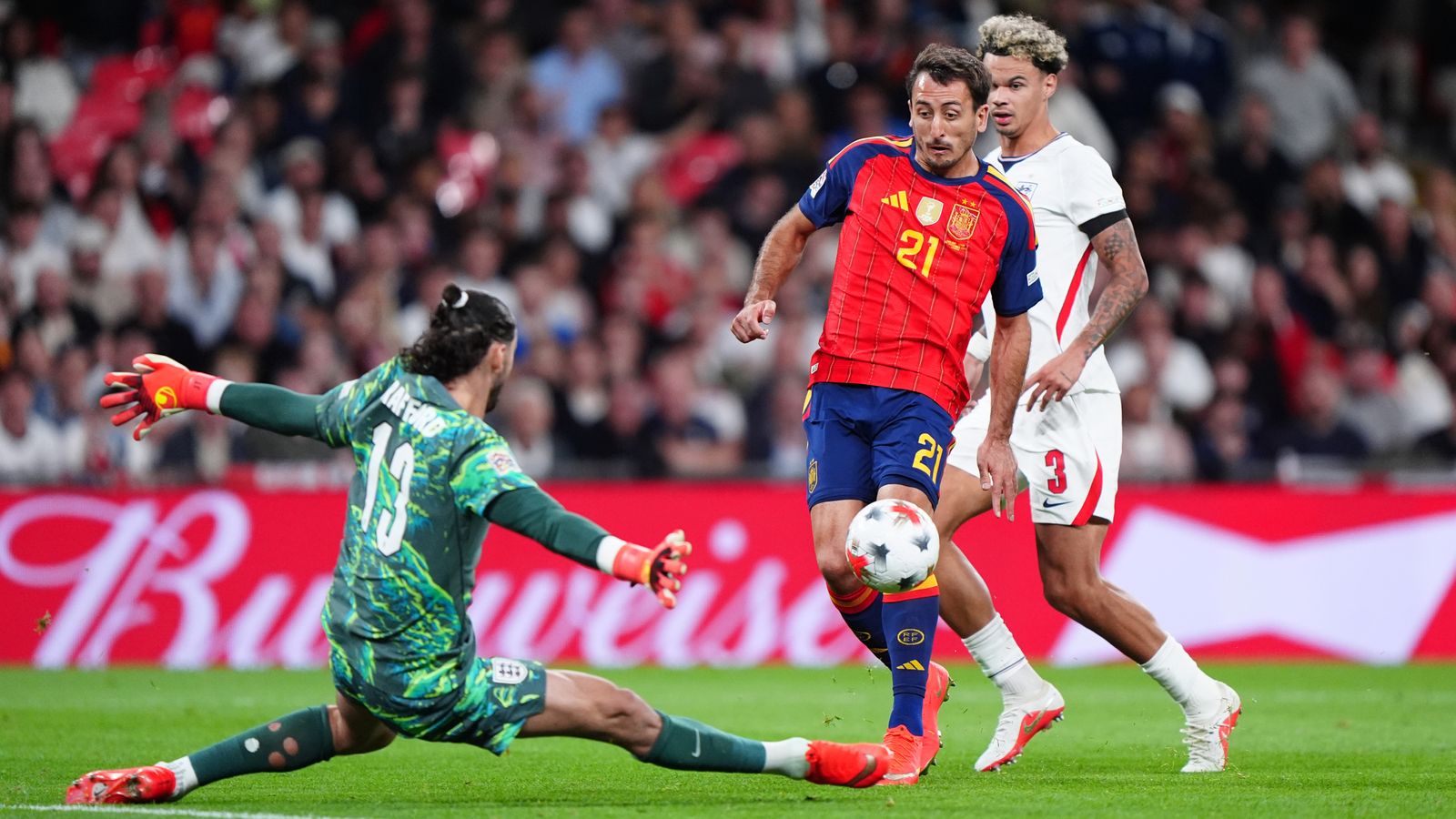
England secured a 2-0 victory over Panama on Saturday to seal their progression to the World Cup knockout stage, but the cost was heavy. Jarell Quansah hobbled off in the 59th minute, leaving Thomas Tuchel with a selection crisis at right-back.
Reece James was already sidelined. This leaves England in a scramble to patch up their defense before facing DR Congo on July 1, 2026.
The situation is critical because England’s right-back position is now dangerously thin. Before the tournament, Tino Livramento was ruled out with a calf injury.
Now, with both James and Quansah managing fresh injuries, Tuchel has only Djed Spence as a natural right-back option. It is a massive structural headache for a team trying to navigate the tournament's final stages.
Declan Rice’s absence against Panama added to the midfield strain. Rice was rested as a precaution due to a dead leg and to avoid a yellow card suspension.
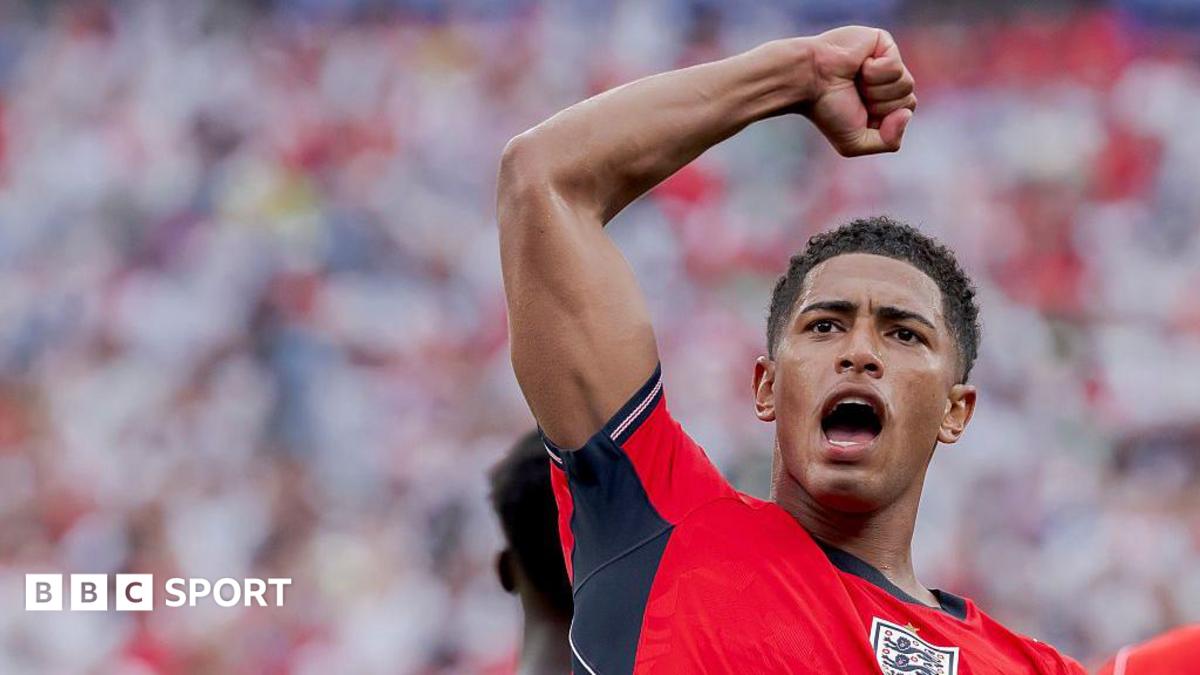
While Rice is back in training, the physical toll on the rest of the squad is showing. Jude Bellingham had to drop deeper to plug the gaps, highlighting the fragile nature of England's current depth.
Reece James and the recurring hamstring curse
Reece James felt tightness in his hamstring during England’s scoreless draw against Ghana on June 23, 2026. The Chelsea defender has since been placed on an accelerated rehabilitation program.
The medical staff is working overtime, but James remains a major doubt for the Round of 32 clash. Tuchel described the recovery timeline as a "tight race" for the Chelsea captain.
This is a movie England fans have watched far too many times. James has a long history of hamstring issues that have derailed his international career.
Similar situations in past tournaments have seen the defender rushed back, only to suffer immediate setbacks. Rushing him back for the DR Congo match represents an enormous gamble for the medical department.
The strategic implications are severe. When fit, James provides a unique blend of defensive robustness and crossing quality.
Without him, the right side of England’s attack loses its primary outlet. Tuchel’s tactical system relies on full-backs creating wide overloads, a plan that is currently in tatters as the BBC Sport report indicates.
Quansah’s ankle twist and the tactical fallout
Jarell Quansah’s injury occurred against Panama after a collision with José Luis Rodríguez. The Liverpool defender suffered what Tuchel confirmed was a "classic ankle twist" that left him in severe pain. The medical staff has since been icing and elevating the joint to reduce swelling.
Tuchel stated that Quansah’s recovery is a "matter of days" rather than weeks. However, with the DR Congo game scheduled for mid-week, the timeline is incredibly tight.
There is a glimmer of hope, as Quansah was seen walking freely while boarding the team bus after the match. Even so, starting a game four days after a significant ankle twist is a massive risk.
This leaves Tuchel with a glaring problem. If both James and Quansah are ruled out, Djed Spence is the only remaining specialist right-back.
Spence has played limited minutes and lacks tournament experience. Alternatively, Tuchel may be forced to play Ezri Konsa out of position, or completely scrap his preferred back-four system.
Summary of England's defensive medical report:
- Reece James: Hamstring tightness, missed Panama match, "tight race" for DR Congo fixture.
- Jarell Quansah: Classic ankle twist, substituted against Panama, recovering with elevation and ice.
- Declan Rice: Dead leg, rested against Panama, resumed full training and expected to start.
- Tino Livramento: Ruled out pre-tournament with a calf injury, unavailable.
The knock-on effects of these injuries were clear in the Panama game. With Rice absent, Bellingham was deployed in a deeper box-to-box role in the first half.
He supported Elliott Anderson at the base of midfield. This shape was a departure from England's build-up in the first two group games, where Rice controlled the tempo.
The tactical shift was highly unstable. As the analysis of tactical flexibility under Tuchel shows, Bellingham’s engine saved England during a chaotic opening half-hour.
He made long recovery runs and slide tackles to stop Panama's counter-attacks. But this defensive firefighting took away his attacking threat, leaving Harry Kane isolated up front.
Assistant coach Anthony Barry did not sugarcoat the first-half performance. Barry noted that the players wanted to start the game fast, but all of this energy skewed their risk management.
He admitted that England had too many central ball losses, which opened them up to counter-attacks against a dangerous opponent. The experiment of building through the center without Rice was a high-risk gamble that nearly backfired.
"We had too many central ball losses and that opened up to counter-attacks against a dangerous team. After 30 minutes, we got more control in the game." - Anthony Barry
The broader impact on clubs, fans, and the knockouts
The fallout of this defensive crisis extends far beyond the pitch. Sportsbooks have already reacted, drifting England's odds of winning the tournament as competitors like France and Argentina look increasingly stable. For fantasy football managers and fans, the uncertainty surrounding James and Quansah has thrown selection strategies into disarray.
Club managers are also watching with bated breath. Chelsea and Liverpool medical departments are reportedly in constant contact with the FA.
The long-term health of James and Quansah is a massive concern ahead of the 2026-27 domestic season. A rushed return that leads to chronic issues would be a devastating blow for their respective clubs.
Tuchel adjusted at halftime, pushing Bellingham back into an advanced number 10 role. This tactical tweak paid immediate dividends.
Bellingham’s diagonal runs in behind the Panama defense stretched the game, leading to both goals. He won the corner for the first goal and provided the assist for Kane's second.
Bellingham played as a 10 when England had the ball, allowing them to push six players into the last line. This tactical flexibility is England's greatest asset, but it relies on Bellingham doing the work of two players.
Pushing him into a deeper role to cover for injuries limits his ability to decide games in the final third. It is a compromise that England cannot afford against stronger knockout opposition.
The lack of natural small-space players in the central areas is a glaring squad selection error. Without Rice to anchor the midfield and James to secure the right flank, England look vulnerable in transition.
The medical department’s inability to keep key defenders fit is now the single biggest threat to England's World Cup campaign. If they cannot patch up Quansah or James by Wednesday, the tournament favorites could find themselves in serious trouble against DR Congo.
Read Next
- England face a defensive crisis as Jarell Quansah joins injury list
- Why Tuchel's brutal squad pruning is exactly what England needed
- England's right-back emergency is Thomas Tuchel's comedy of errors
- Reece James is hurt again and England have a massive problem at right-back
- 🏆 World Cup 2026 — Full Coverage Hub
- 🏴 England World Cup 2026 — Three Lions Hub