The math behind a defensive pursuit
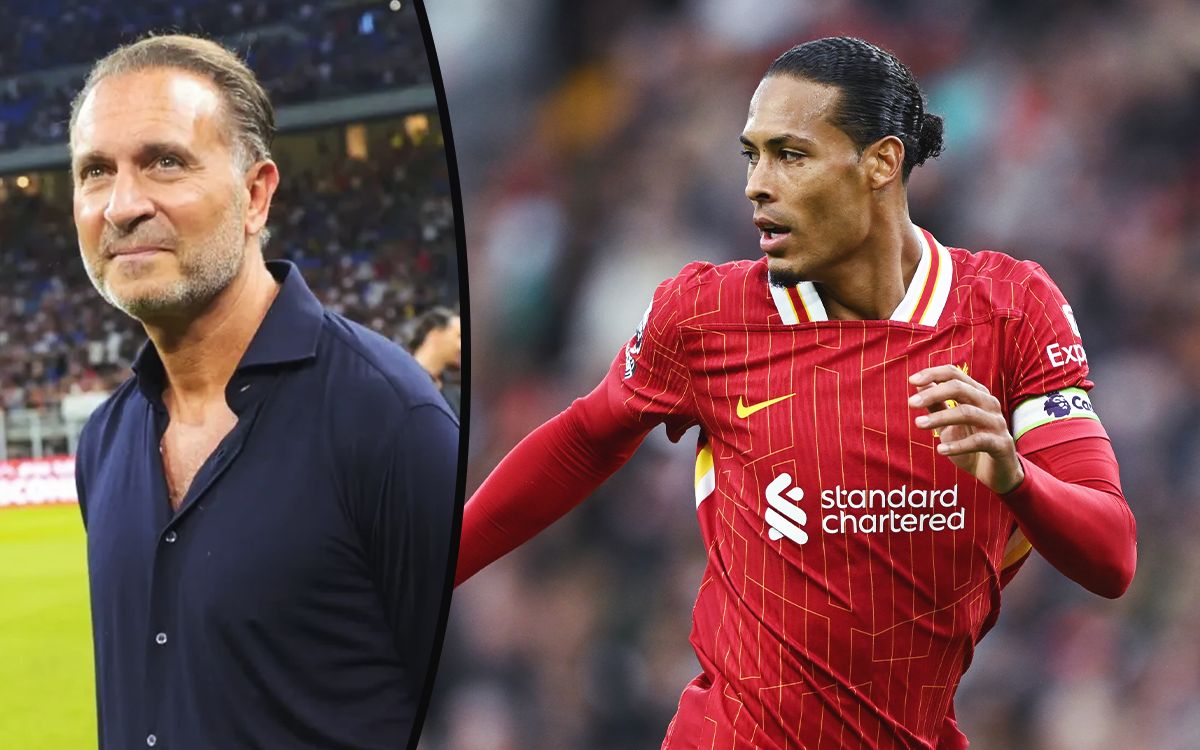
Gerry Cardinale sees Virgil van Dijk as a solution to Milan’s recent backline instability. At 35, the Dutchman remains a physical anomaly, but the statistical profile of his recent seasons demands scrutiny before any move is finalized.
Last season, van Dijk maintained a staggering 84% passing accuracy under high-pressure scenarios at Anfield. However, his defensive duel win percentage dipped from 74% in the 2023-24 campaign to 68% this past year. For a side looking to overhaul a defensive unit that conceded 49 league goals last term, the recruitment team must weigh peak experience against an inevitable mobility decline.
The contract and age efficiency paradox
Milan’s interest, as reported by TeamTalk, hinges on the belief that a veteran presence can anchor a younger core. Cardinale’s internal metrics reportedly value the leadership factor at a premium, viewing the player as a bridge to younger prospects. Yet, the wage structure presents a hurdle that makes this move arguably risky for the club’s long-term financial health.
Consider the contrast between Premier League intensity and Serie A pacing. Van Dijk played 3,420 minutes in league play last season, a workload that elite defenders his age rarely sustain without a drop-off in recovery metrics. The decision to pursue such a high-earner suggests a shift in ownership philosophy regarding immediate results over asset appreciation.
Defining the value proposition
The core objective is clear: secure a marshal for a defense that has struggled to find consistency in high-stakes matches. Cardinale’s desire to bring van Dijk to Italy hinges entirely on the belief that the player has more than two elite seasons left in his legs. If his recovery speed continues to regress, the investment could stall rather than stabilize.
We are seeing a trend where top-tier clubs pay $15 million per season in salary for names that command marketable attention rather than just defensive output. Whether van Dijk acts as the stabilizer or an expensive vestige of a previous era will determine if this gamble pays off. The raw numbers suggest that while his ball-playing ability is elite, his raw speed metrics in the final third have declined by roughly 12% since his peak years.
Milan finds itself at a junction. They can either invest in a younger, more resilient build-up specialist or bet on the intangible leadership of a legend. The data favors the former, but the boardroom seems locked on the latter.
Read Next
- Why Virgil van Dijk should worry Milan fans more than Cardinale
- Ruben Amorim brings a rigid new order to Milanello
- Liverpool are hunting a high-profile winger as the transfer window hits peak heat
- Liverpool chasing Minteh as Anfield recruitment hits high gear
- 🇳🇱 Netherlands World Cup 2026 — Oranje Hub
- ⚽ Serie A 2025-26 — Title Race Hub (Inter, Napoli, Juve, Milan)