Boardroom power plays block fresh investment
West Ham United’s pre-season should be about structural tactical shifts, line-height adjustments, and pressing mechanics. Instead, the London Stadium is once again consumed by corporate maneuvering and reputational damage control.
Daniel Kretinsky has executed a targeted share sale designed specifically to hinder Amanda Staveley’s investment bid. As reported by BBC Sport, the Czech billionaire sold a small equity stake, effectively restructuring the club's capitalization table to block Staveley from securing a meaningful entry point.
Staveley’s group targeted West Ham as their next primary vehicle following their Newcastle exit. However, Kretinsky’s tactical counter-move ensures the existing balance of power remains locked, denying the club immediate capital injection ahead of the deadline.
Sullivan sidelined as governance issues multiply
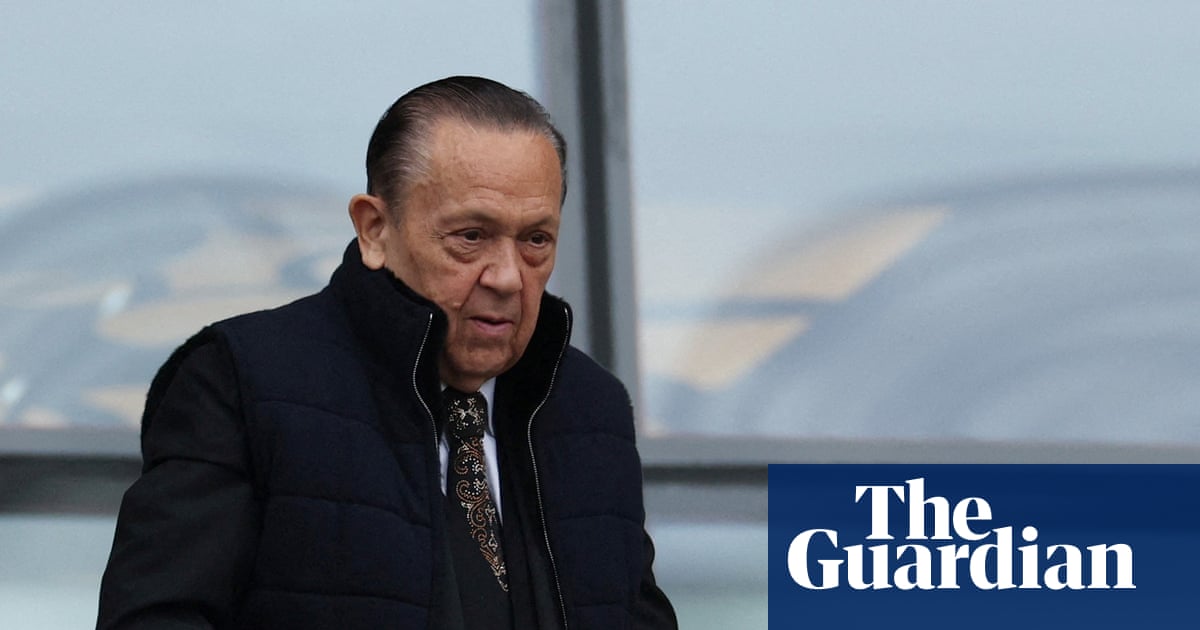
The corporate friction coincides with acute disruption at the executive level. Co-owner David Sullivan has been officially advised against attending home matches following severe sexual misconduct allegations, according to Sky Sports.
This self-imposed displacement strips the club of visible leadership during a vital transition phase. When the executive suite is actively navigating legal defense strategies, operational clarity on transfers inevitably degrades.
Squad development relies on fast execution in the market. West Ham are instead operating under a fractured leadership structure where key stakeholders are actively working against each other's long-term interests.
Roster erosion and tactical vulnerability
The immediate consequence of this governance gridlock is felt directly on the training pitch. Freddie Potts has finalized a permanent switch to Club Brugge, as detailed by Sky Sports' live coverage, sanctioning the departure of a home-grown midfielder capable of anchoring central zones.
Potts posted a 88.4% pass completion rate in central areas during his loan spells, providing vital ball retention under aggressive press triggers. Selling young, press-resistant profiles without immediate replacement leaves the midfield pivot severely exposed against teams that counter-press with high intensity.
The current squad lacks positional depth in secondary lines. If central progression relies entirely on aging profiles, high-pressing opposition will routinely force turnovers in West Ham's defensive third.
The tactical breakdown: why the setup is failing
On the pitch, the structural issues manifest as a disconnect between the defensive line and the central midblock. Without Potts providing a screen, the distance between the center-backs and central midfielders stretches to over 25 meters during opposition transition phases.
Premier League opposition will systematically exploit this gap. Elite sides average 1.85 expected goals (xG) against midblocks that fail to condense space vertically within two seconds of losing possession.
West Ham's current shape leaves them vulnerable to fast central combinations. Unless the coaching staff forces the back four up 10 yards or drops a winger into the half-spaces, the team will continue conceding high-value shot opportunities from central zones.
Prediction: A turbulent start at the London Stadium
Tactical cohesion cannot exist in an operational vacuum. When boardroom conflict freezes recruitment and sidelines key decision-makers, squad balance deteriorates rapidly.
Expect West Ham to struggle defensively in their opening fixtures. Opponents will overload the central pivot, exploit the lack of mobility in transition, and force painful defensive scrambling across all 90 minutes.
The London Stadium faces a bleak opening month. Until the ownership war settles and clear recruitment pathways resume, West Ham will look vulnerable, disorganized, and susceptible to early-season drops in form.