Broadcasting at the World Cup is a total minefield
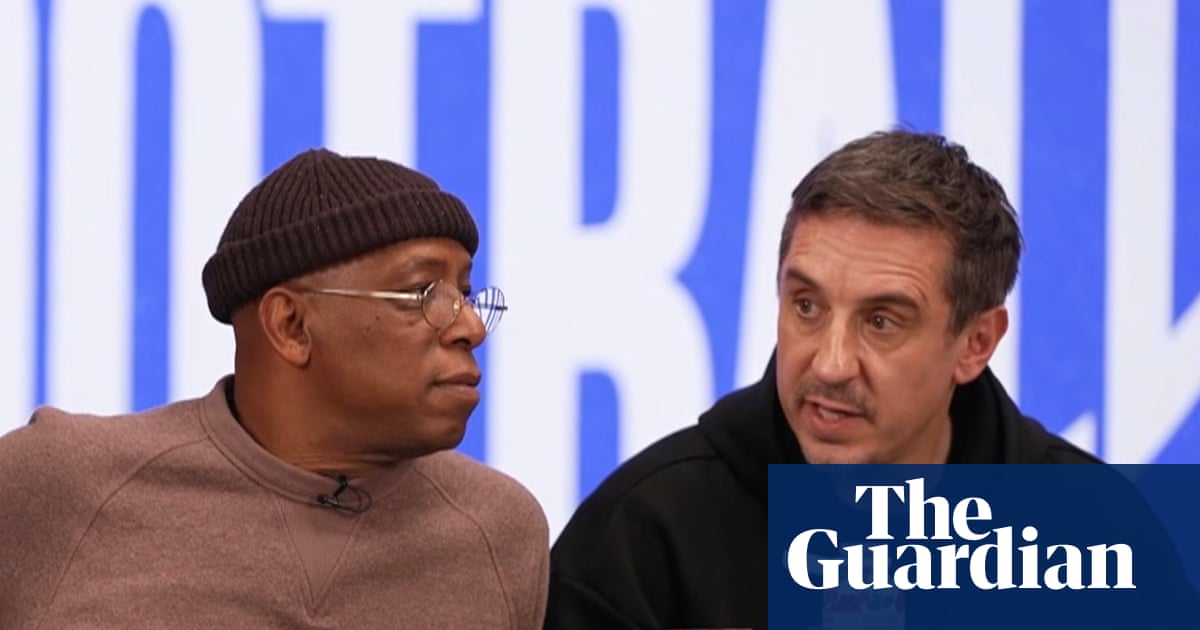
If you spent Sunday night watching the World Cup final, you were probably like the rest of us: vibrating from the intensity while simultaneously praying someone would fix the broadcast production. The battle for eyeballs between the BBC and ITV reached a fever pitch, but it was one man who actually felt like a human being that won the night.
Wayne Rooney sitting in the punditry chair on the BBC was the jolt of electricity the broadcast needed. While everyone else was doing the corporate dance and pretending that a mid-game musical performance in the middle of a football match wasn’t a fever dream, Rooney just blurted out the truth. He called the halftime show exactly what it was.
The refreshing beauty of a zero-filter legend
We see far too many polished, media-trained ex-players who are worried about offending the sponsors or losing their spot on the panel. Wayne Rooney decided he didn't care about the optics. He looked at the chaos on the field, turned his gaze to the camera, and frankly told the audience, "I thought it was crap."
It was the kind of moment that makes a group chat explode. You aren't getting that kind of honesty from a guy who just got his coaching badges and is looking to network his way into a Premier League gig. That directness is why Rooney remains a compelling watch even when he’s off the pitch.
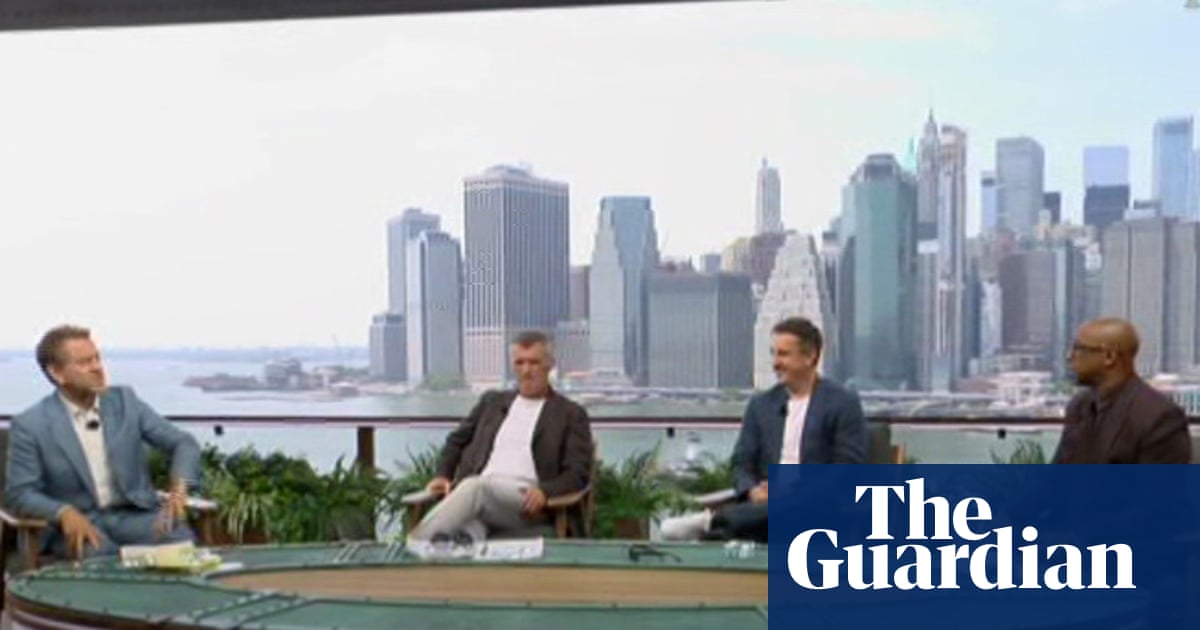
As The Guardian reported, the BBC actually bothered to put their team inside the stadium for the final. That physical presence payed off. It gave the production a weight that the remote studios just couldn't match during the biggest game of the year.
Why we are tired of the gloss
The halftime interval at these major tournaments has become a bloated mess. It’s supposed to be a celebration, but it usually just feels like a filler episode of a show you liked better in season one. We want analysis, tactical breakdowns, and maybe a heated argument, not choreography.
It is exhausting to watch these broadcasters try to justify the expense of these musical acts when the fans are just waiting for the whistle. Rooney’s outburst felt like a win for every person sitting on their couch who just wanted the football to resume. He voiced the quiet part out loud.
I thought it was crap.
The BBC made a smart play by letting him talk. They didn't hit the mute button or try to pivot to a highlight reel. They let the statement hang in the air, creating the most honest moment of a broadcast that was trying way too hard to be a global spectacle. It was a 100 percent authentic reaction in a room full of manufactured noise.
The ratings game in 2026 is about more than just who has the best technical feed. It comes down to who makes us feel like we’re listening to a real person. ITV might have been polished, but they lacked the specific brand of grumpy genius that a guy like Rooney brings to the desk.
When you have a budget of millions for a final, maybe the takeaway should be to hire commentators who aren't afraid to bash the product. If the show is terrible, call it terrible. It builds more rapport with the viewers than any fancy graphics package ever could.
Let this be a lesson for the networks going forward. We don't need choreographed dancers performing a routine for 15 minutes at the break. We need guys who were on the pitch to tell us exactly why the midfield is failing or why the striker is completely lost in the 40th minute of play.
Read Next