The Cardiff City Stadium hangover: Relief or pure luck?
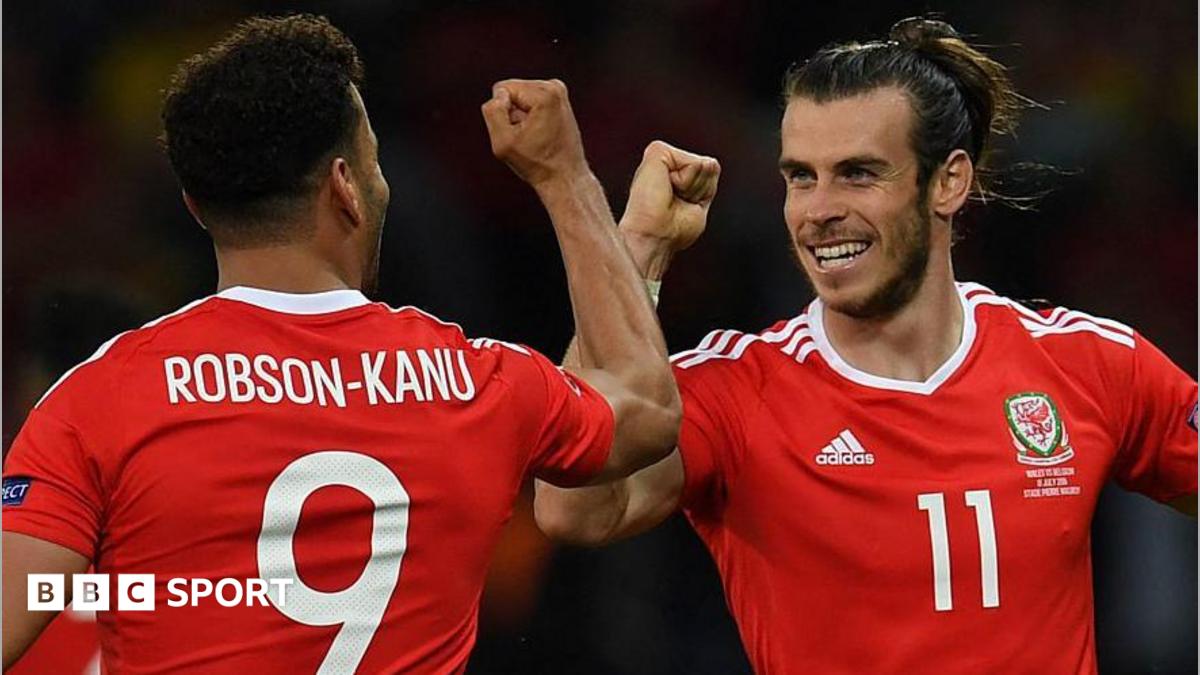
Cardiff City Stadium was loud on Thursday night, but half the pub afterwards sounded like a debate club on fire. Wales finally scraped a 2-1 win over Norway, snapping a grim six-game winless run that was starting to feel like a permanent lifestyle choice. Craig Bellamy got his first real breather as manager, but nobody can agree on what we actually just watched.
The optimists in the room are treating Thursday like the fall of the Berlin Wall. They see a team that fought back from early Nations League beatings against Portugal and Denmark to bag three massive points in Group A4. To them, Bellamy is cooking a modern pressing monster out of raw Welsh iron.
Then you talk to the skeptics over their third pint. They will happily remind you that Norway played with ten men after a red card destroyed their game plan. Bellamy's defense still looked like a scrambled egg whenever Norway launched a long ball into the box.
Let's not erase recent history either. Just last weekend, Denmark dismantled Wales 2-0 in Copenhagen without breaking a sweat. One victory over a ten-man squad does not instantly cure years of defensive hiccups.
Victory would mean recording back-to-back wins over higher-ranked nations for the first time in more than a decade.
My take? The skeptics are being overly miserable, but they are not entirely wrong. Beating any top-tier European team when you have zero momentum is a huge deal. Yet, if Norway kept eleven guys on the pitch, we might be writing Bellamy's coaching obituary today.
The Nations League math is giving everyone a headache
If you tried explaining UEFA's updated group rules to someone after two pints, their head would explode. Back in 2022 under Rob Page, League A was simple and brutal. You finished bottom of your group, you got kicked down to League B without a trial.
That 2022 campaign was an unmitigated disaster where Wales did not win a single match. Naturally, supporters expected the exact same trapdoor this autumn after dropping early games to Portugal and Denmark. But UEFA tweaked the rulebook for the 2028-29 cycle, turning the relegation race into a chaotic math puzzle.
Now, only the two worst bottom-placed teams in all of League A get executed automatically. The other two bottom teams get tossed into a safety play-off match in March 2027. Right now, Wales sit as the best fourth-place team in the entire top division despite having a terrible goal difference.
That means Sunday night at 19:45 BST against Denmark in Cardiff is absolute fireworks. A win puts Wales in total control of their own destiny before tough road trips to Oslo on 14 November and hosting Portugal on 17 November. You could literally finish third or second if the chaos aligns properly.
Some contrarians on social media are actually arguing that relegation to League B would be better long-term. They claim Wales need to win matches against easier teams to build confidence instead of getting hammered by heavyweights every month. That argument is pure noise from people who love losing.
Euro 2028 seeding: The real prize hidden in UEFA spreadsheets
Here is the part of the story that most casual fans completely ignore while screaming at the referee. Wales are co-hosting Euro 2028 alongside England, Republic of Ireland, and Scotland. Cardiff's Principality Stadium even gets the honor of hosting the tournament's opening match on 9 June 2028.
That sounds fantastic until you remember the catches buried in fine print. UEFA is not handing out free passes to the host nations just because they booked the venues. Wales still have to grind through standard European qualifiers to earn an automatic tournament spot.
This is where Nations League rankings punch you right in the stomach. When the qualifying draw happens in Belfast on 6 December, seeding pots are determined exclusively by where teams finish in this current Nations League structure. The top twelve ranked teams in League A automatically secure top-seed status for the draw.
If Wales avoid bottom place in Group A4, they dodge absolute monsters in qualifying. Finish in the top twelve and you avoid France, Spain, and Germany when the balls are drawn in Belfast. Fall into the lower pots and you are suddenly staring at a nightmare group where qualifying becomes a total dogfight.
Wanting to drop down to League B for easy wins is like asking to get demoted at work so you have less homework. It is short-sighted nonsense. Staying in League A is the only way to protect Wales when the Euro qualifying groups are locked in.
Sunday against Denmark: Turning point or false dawn?
Which brings us right back to Sunday night at Cardiff City Stadium. Denmark are coming to town, and they already humiliated Wales 2-0 last weekend in Copenhagen. Christian Eriksen and company ran circles around Bellamy's midfield like they were training cones.
The enthusiasts think Thursday's victory over Norway changed the entire energy around the squad. They believe the stadium atmosphere on Sunday will carry Wales past Denmark and kickstart a new golden era under Bellamy. It is a lovely dream, but football rarely moves in clean Hollywood scripts.
The contrarians think Sunday will expose Bellamy's high-risk tactics against a disciplined Danish unit that does not panic. They point out that Wales haven't beaten two higher-ranked nations back-to-back in over ten years. History is heavy, and history usually wins these arguments.
Here is the bottom line from the bar stool. Bellamy earned some breathing room with Thursday's victory, but nobody should be popping champagne yet. Beating a ten-man Norway team at home is a bandage, not a cure.
If Wales beat Denmark on Sunday, Bellamy proves his system can handle elite opposition when the stakes are sky-high. If they collapse like they did in Copenhagen, the Norway win will look like a lucky detour on a rocky road. Get your popcorn ready because Sunday is going to tell us everything.
Read Next
- John McGinn is running out of time to fix Scotland's midfield
- Arsenal Women are spiraling and Sunday at Man City could get ugly
- England U21 qualified for Euro 2027, but that Stoke snorefest split the fanbase
- Abu Dhabi's investment threats won't save Man City from their guilty verdict
- 🇳🇴 Norway World Cup 2026 — Can Haaland Lead the Vikings?
- 🏴 Wales at the 2026 World Cup — Full Coverage Hub