Tier 3: Assessing the USMNT squad depth and tactical evolution
Mauricio Pochettino is currently refining the USMNT setup ahead of the upcoming clash against Australia in Seattle. The manager remains under pressure to stabilize a backline that has shown vulnerability in transition during recent friendlies. Tactical observers are focusing on how the midfield pivot will manage the Australian press, which caused significant headaches in their previous meeting last October.
Pochettino’s focus centers on the integration of forward Haji Wright, whose clinical behavior in front of goal remains a bright spot. However, the reliance on Wright to carry the attacking load highlights a genuine concern regarding depth in the final third. Should the starting XI fail to convert early chances, the bench options lack the specific profile needed to break down a low block.
The infrastructure of the squad
Pochettino transitioned the USMNT toward a more vertical style since last autumn. This shift demands high levels of stamina from the fullbacks, who are expected to provide width while doubling as defensive cover. This is a tall order given the lack of consistent rotation options currently available to the coaching staff.
Critics point to the defense as the most glaring issue that still requires a remedy. While the team shows flashes of attacking fluidity, the defensive structure collapses when the pressure increases. A failure to secure the flanks against rapid counter-attacking sides persists, and this weakness was evident as recently as the 35th minute of their last encounter with the Socceroos.
Tactical fit and personnel adjustments
The upcoming match is not just a friendly; it serves as a litmus test for the roster’s World Cup viability. Pochettino prefers a high-intensity press, but the squad consistently struggles with the physical toll required to maintain that rhythm for ninety minutes. If the team cannot manage the tempo, they risk exposure in the defensive third.
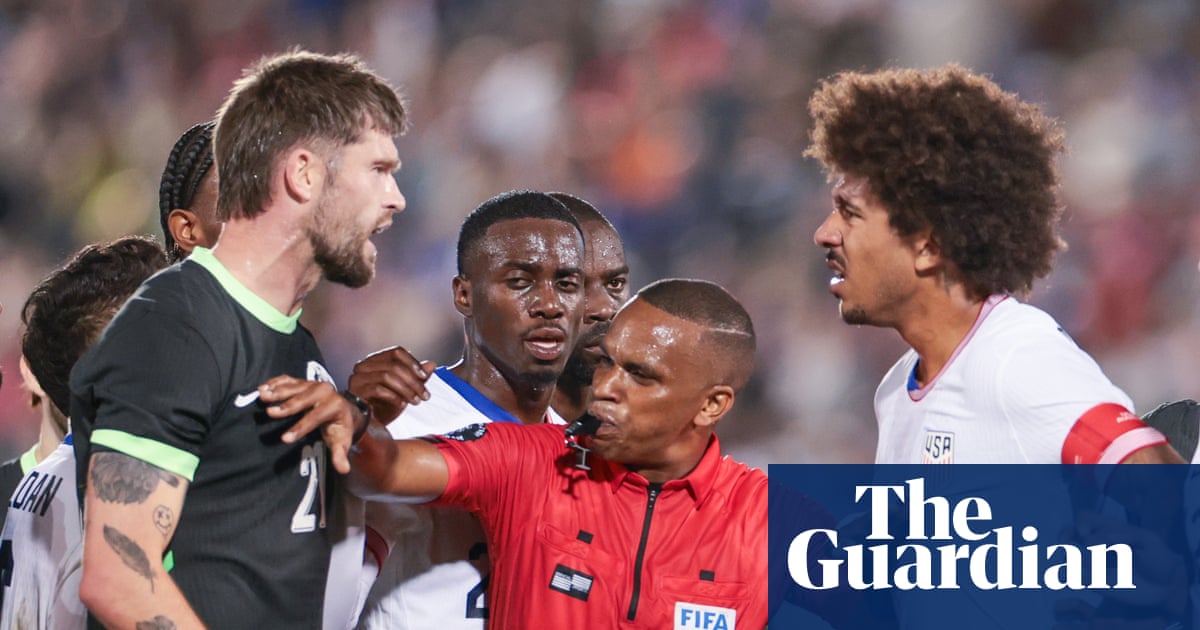
One must consider the mental aspect of these high-stakes exhibitions. For more on the lead-up to these matchups, The Guardian reported extensively on the friction of the October friendly. Such moments illustrate the volatility inherent in this current squad. The lack of a clear leader on the pitch remains a persistent blind spot that often results in disorganized marking during dead-ball scenarios.
Probability Assessment
The probability of a tactical breakthrough in this specific fixture is moderate. Pochettino has the personnel to succeed, but the history of these international windows suggests a struggle with consistency. We expect to see a more defined defensive shape, though the likelihood of them keeping a clean sheet remains statistically slim given the recent lapses in concentration.
Expected impact revolves around whether the team can impose their will against Australia without exposing their own goal. If the USMNT fails to dominate early, expect the narrative regarding Pochettino’s system stability to intensify. The real test is not just the result, but how the team reacts when the opposition forces them into a defensive scramble during the second half.
Building a coherent international side requires long-term patience that the current environment rarely allows. The fans are clamoring for sustained success rather than sporadic heroics. Whether this squad can provide that structure against a disciplined Australian side will determine the trajectory for the remainder of this calendar year.
The margin for error is razor-thin as the tournament date nears. If the defensive rotations do not tighten by the final whistle in Seattle, the coaching staff will face intensified scrutiny over their preferred personnel. Every training session leading up to the game carries weight for those on the fringe of the starting rotation looking to cement their status.
Ultimately, the match in Seattle serves as a defining moment. It provides a platform to validate the tactical changes implemented since last year’s meeting. Anything less than a structured, controlled performance will indicate that the underlying issues remain unaddressed, regardless of the scoreline at the final whistle.
Read Next
- Pulisic's injury cloud creates a tactical headache for Pochettino
- Why World Cup hydration breaks are ruining the beautiful game
- England’s defense is a ticking time bomb despite the 4-2 scoreline
- Nathaniel Brown is the defensive beast United may regret missing
- 🏆 World Cup 2026 — Full Coverage Hub
- 🇺🇸 USMNT World Cup 2026 — Team USA Coverage Hub
- 🇦🇺 Australia World Cup 2026 — Socceroos Hub
- ⚽ MLS 2026 Season Hub — World Cup Year Guide