Inside the four-week sprint to the Palladium
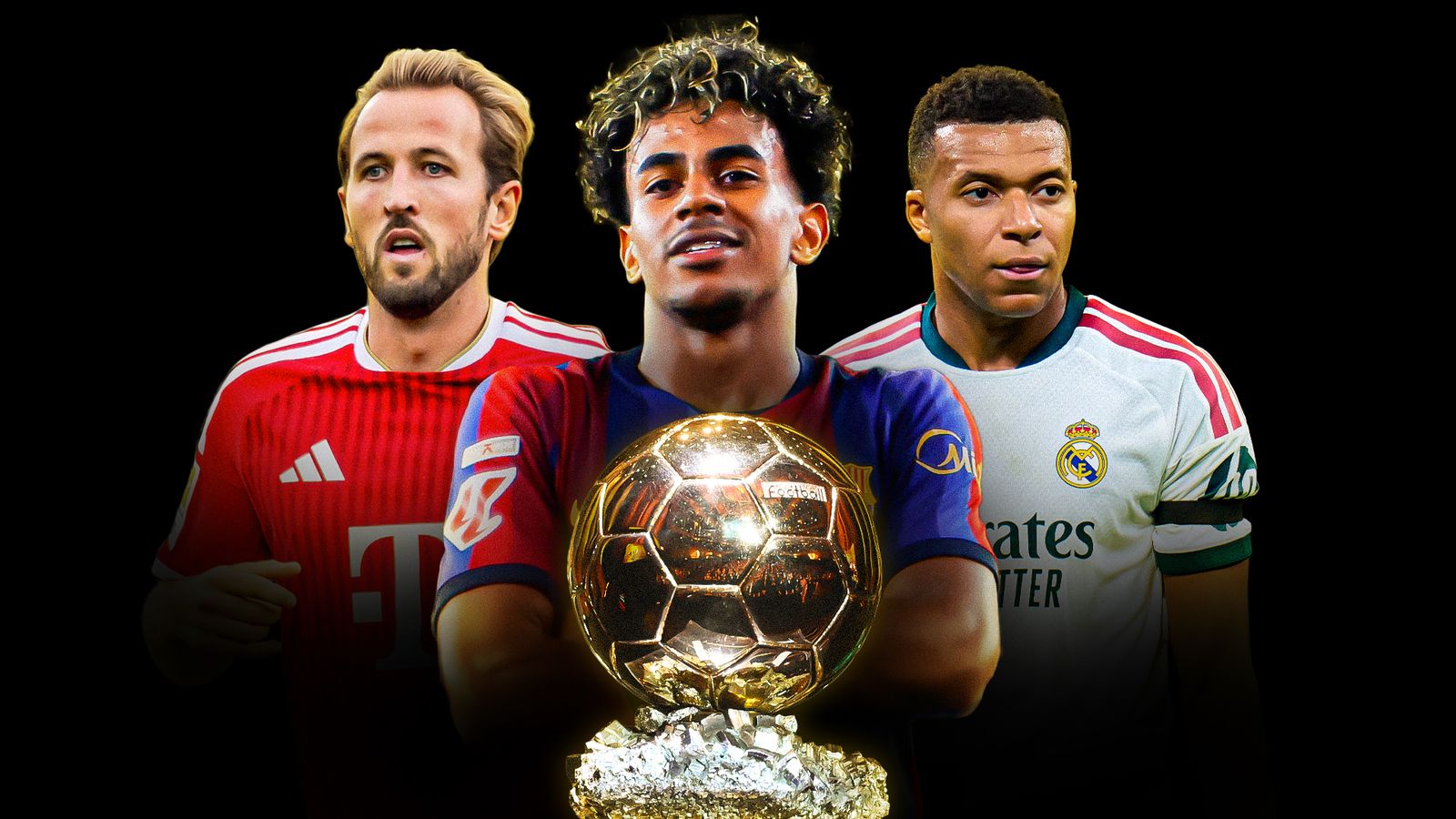
The ballot boxes for the 2026 Ballon d'Or close in four weeks, ahead of the October 26 ceremony at the London Palladium. Voters face a direct conflict between individual scoring metrics and international silverware.
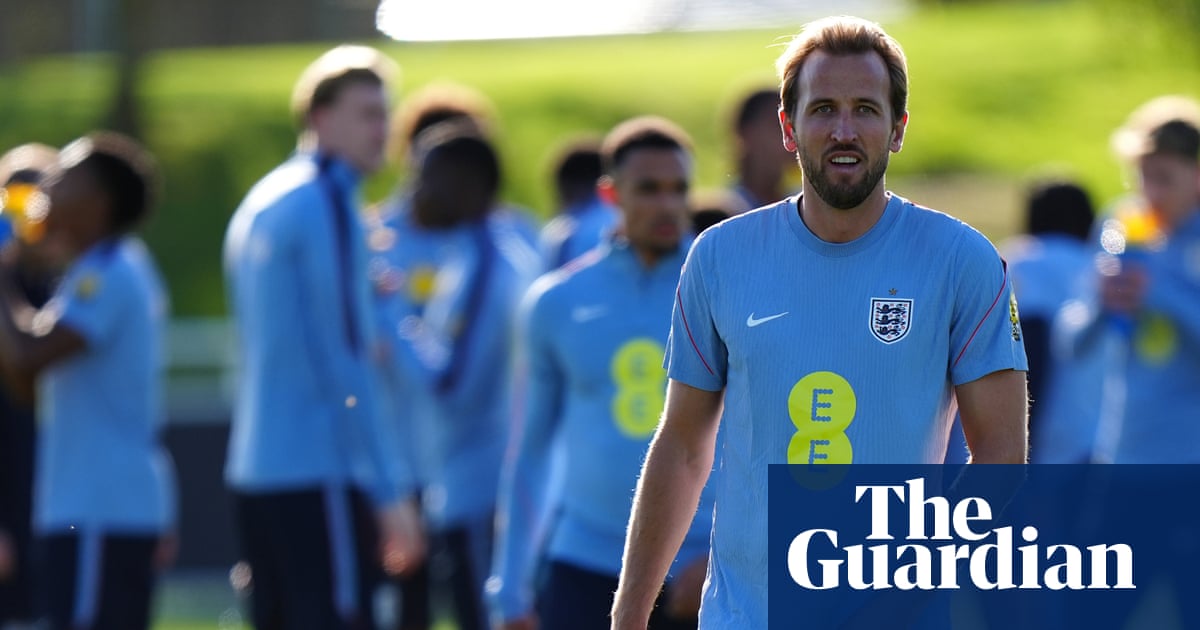
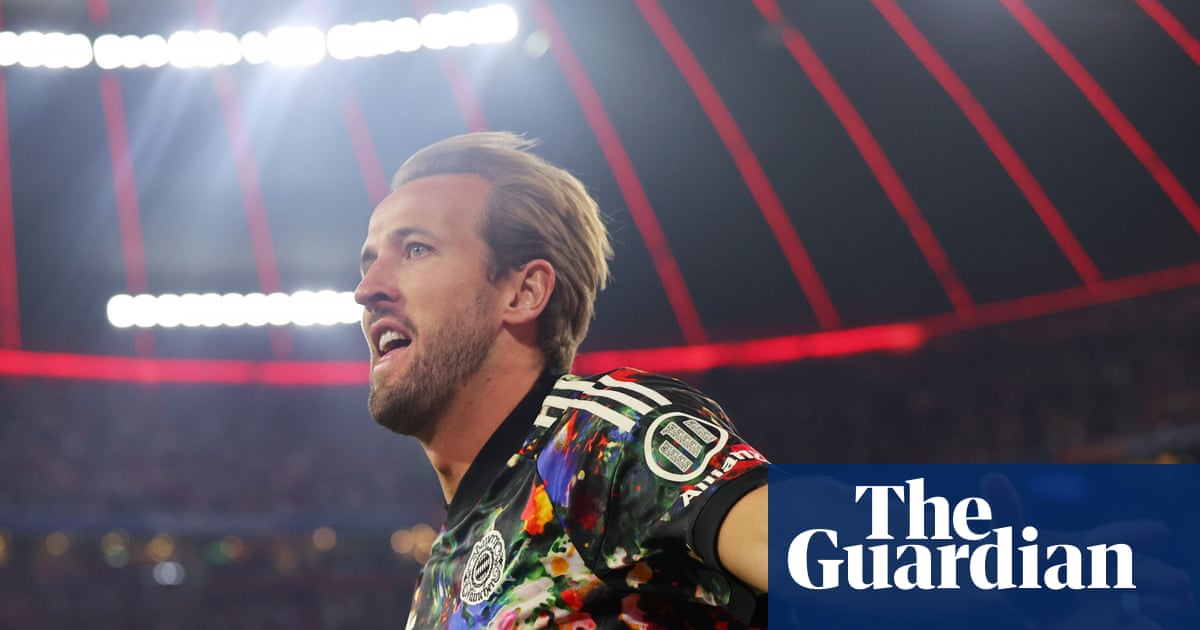
Harry Kane built the most prolific individual campaign in modern European football this past season. Meanwhile, Lamine Yamal anchored Spain's triumph on the global stage as a teenage sensation.
There is no undisputed frontrunner across every competition this year. That ambiguity leaves the voting body split between raw goal volume and big-stage championship moments.
The scoring monster versus the World Cup phenom
Harry Kane: Unprecedented efficiency in Munich
Harry Kane shattered the record for the fastest player to reach 100 goals in Bundesliga history earlier this month. He hit 100 goals in 98 games for Bayern Munich, erasing Dieter Muller's 50-year-old benchmark of 129 matches by 31 games.
That milestone capped a staggering 2025/26 season where Kane produced 73 goals in 65 games across all competitions. His domestic haul featured 36 goals in 31 Bundesliga matches, backed by 14 goals in 13 Champions League appearances.
On the international front, Kane added 12 goals in 13 matches for England, including six during their summer run. He managed his workload better than in previous cycles, avoiding the physical exhaustion that hindered his past tournament performances.
The main argument against Kane centers on team silverware. Bayern Munich failed to secure major European trophies, leaving Kane reliant entirely on his individual scoring numbers.
For purists who view the Ballon d'Or as an individual award, no player matches Kane's output. Yet voters historically favor champions when World Cup years roll around.
Lamine Yamal: Spain's teenage centerpiece
Lamine Yamal spent almost his entire season as an 18-year-old before turning 19 just before the World Cup semi-finals. The Barcelona winger scored 25 goals across all competitions in 2025/26, making him the youngest player in Barca history to reach 40 career goals.
Yamal scored three times during the Champions League knockout rounds to keep Barcelona competitive in Europe. While he only scored once during Spain's summer campaign, his stepovers, dribbling metrics, and chance creation drove their attack.
Yamal publicly addressed the criteria for the award this week during media duties. As Sky Sports reported, the teenager argued for a broader evaluation of on-field impact.
"The award should go to a unique player. It is not all about goals."
Historical precedent strongly favors Yamal's candidacy over pure goalscorers. Five of the last seven Ballon d'Or winners in World Cup years represented teams that reached the final.
Critics point out that Yamal's raw finishing stats lag far behind Kane's numbers. If voters demand heavy goal production from an attacking winner, Yamal's case loses some punch.
The French contenders and Madrid's frustration
Kylian Mbappe: World Cup history without the trophy
Kylian Mbappe scored 31 goals during the 2026 calendar year, establishing himself as the all-time top goalscorer in World Cup history. He added 10 tournament goals to his career tally over the summer, eclipsing every past legend.
However, France's semi-final defeat and their subsequent loss to England in the third-place play-off dented his main argument. Mbappe delivered individual brilliance, but Les Bleus fell short of the final.
Mbappe remains confident that his summer achievements carry enough weight to secure his first Ballon d'Or trophy. He expressed that belief when discussing his chances with reporters.
"I made a lot of history this summer in the biggest competition in the world. I have a feeling it could be a good year for that."
Mbappe remains the highest-profile superstar never to win the award. The risk for his campaign is that voters treat France's semi-final exit as a hard ceiling on his candidacy.
Ousmane Dembele: The reigning champion's case
Ousmane Dembele entered 2026 tasked with defending his 2025 Ballon d'Or title. He delivered 20 goals for Paris Saint-Germain as Luis Enrique's team retained their Champions League title, including a goal in the final against Arsenal.
Dembele carried that form straight into the international summer with France. He logged six goals and two assists as the French reached the semi-finals, matching Kane's tournament goal total.
Back-to-back Ballon d'Or wins are rare in modern football history. Yet Dembele presents the most balanced resume on the ballot, pairing European club silverware with major tournament scoring.
Midfield controllers and Premier League outliers
Rodri: The Golden Ball winner's missing minutes
Rodri captained Spain to their World Cup triumph and earned the Golden Ball as the tournament's best player. That performance places the 2024 Ballon d'Or winner back in the top tier of candidates.
Luka Modric established the roadmap in 2018 by winning the Ballon d'Or after taking home the World Cup Golden Ball. Rodri has the leadership credentials and international silverware to replicate that run.
The major flaw in Rodri's candidacy stems from his domestic season with Manchester City. Injuries restricted him to just 22 starts across the Premier League and Champions League combined.
Can voters justify giving the award to a player who missed more than half of his club's matches? That gap in club playing time remains a significant hurdle for his voters to clear.
Bruno Fernandes: Playmaking brilliance in a struggling side
Bruno Fernandes completed an extraordinary individual campaign for Manchester United, sweeping domestic awards in England. He set a Premier League record by delivering 21 assists while serving as United's primary attacking catalyst.
That assist record stands out even more considering United finished 15th the prior season. Fernandes carried a heavy load without the supporting cast enjoyed by his rivals in Munich or Madrid.
The argument against Fernandes comes down to team context and lack of European football. Manchester United did not play in Europe last season and failed to collect silverware, creating a major obstacle for his campaign.
Cristiano Ronaldo won the Ballon d'Or as a Manchester United player in 2008, but that team won the Premier League and Champions League double. Fernandes achieved individual excellence inside a rebuilding squad, which limits his ceiling with international voters.
Outsiders and future contenders
Khvicha Kvaratskhelia: The Champions League engine
Khvicha Kvaratskhelia delivered a dominant campaign as PSG retained their Champions League crown. He led the entire competition in knockout stage goals and open-play assists after stepping into the starting lineup over Bradley Barcola.
Kvaratskhelia elevated PSG's pressing structure while adding decisive quality in key European matches. As outlined in the detailed candidate breakdown, his transformation of PSG's attack makes him a legitimate top-five contender.
Georgia's failure to qualify for the World Cup prevents Kvaratskhelia from mounting a realistic run at the top spot. Winning the Ballon d'Or in a World Cup year without appearing at the tournament remains nearly impossible.
Erling Haaland: The future goal machine
Erling Haaland turned 26 this summer while maintaining an astonishing scoring rate for Manchester City. He stands at 169 goals in 205 appearances since moving to England in 2022.
At his current trajectory, Haaland will reach 1,000 career goals faster than Lionel Messi or Cristiano Ronaldo. He served as the talismanic figure for Norway during international windows throughout the year.
Haaland will almost certainly win this award in future cycles. However, Norway's limited international footprint leaves him behind Kane, Yamal, and Dembele in the 2026 voting order.
With four weeks remaining before the ballots close, the decision hinges on footballing philosophy. Voters must determine whether Kane's 73 goals outweigh Yamal's World Cup trophy, or if Dembele's Champions League double offers the perfect compromise.
Read Next
- Harry Kane's numbers make the 2026 Ballon d'Or debate look ridiculous
- Harry Kane is planning his NFL career while chasing the Ballon d'Or
- On This Day in Football: September 24
- England keeps retreating when it matters most, and Harry Kane knows it
- 🏴 England World Cup 2026 — Three Lions Hub
- 🇪🇸 Spain World Cup 2026 — La Roja Hub
- ⚽ La Liga 2025-26 — Title Race Hub
- ⚽ Ligue 1 2025-26 — PSG, Monaco & the Title Race Hub