The Defining Shifts of 2026
Football in 2026 is moving faster than financial regulators can track. Tactical trends aren't taking seasons to evolve anymore; they are changing over a single transfer window. From bold midfield gambles to high-stakes managerial reunions, the sport's power structure is being reshaped in real-time.
This list dissects the ten defining shifts and pivotal moments that governed the year so far. We are prioritizing actual structural impact over empty viral highlights. If a tactical tweak or transfer gamble changed how a club operates under pressure, it earns a spot here.
Midfield Revolutions and High-Stakes Gambles
10. Álvaro Arbeloa Dubs Gonzalo García Among the Elite
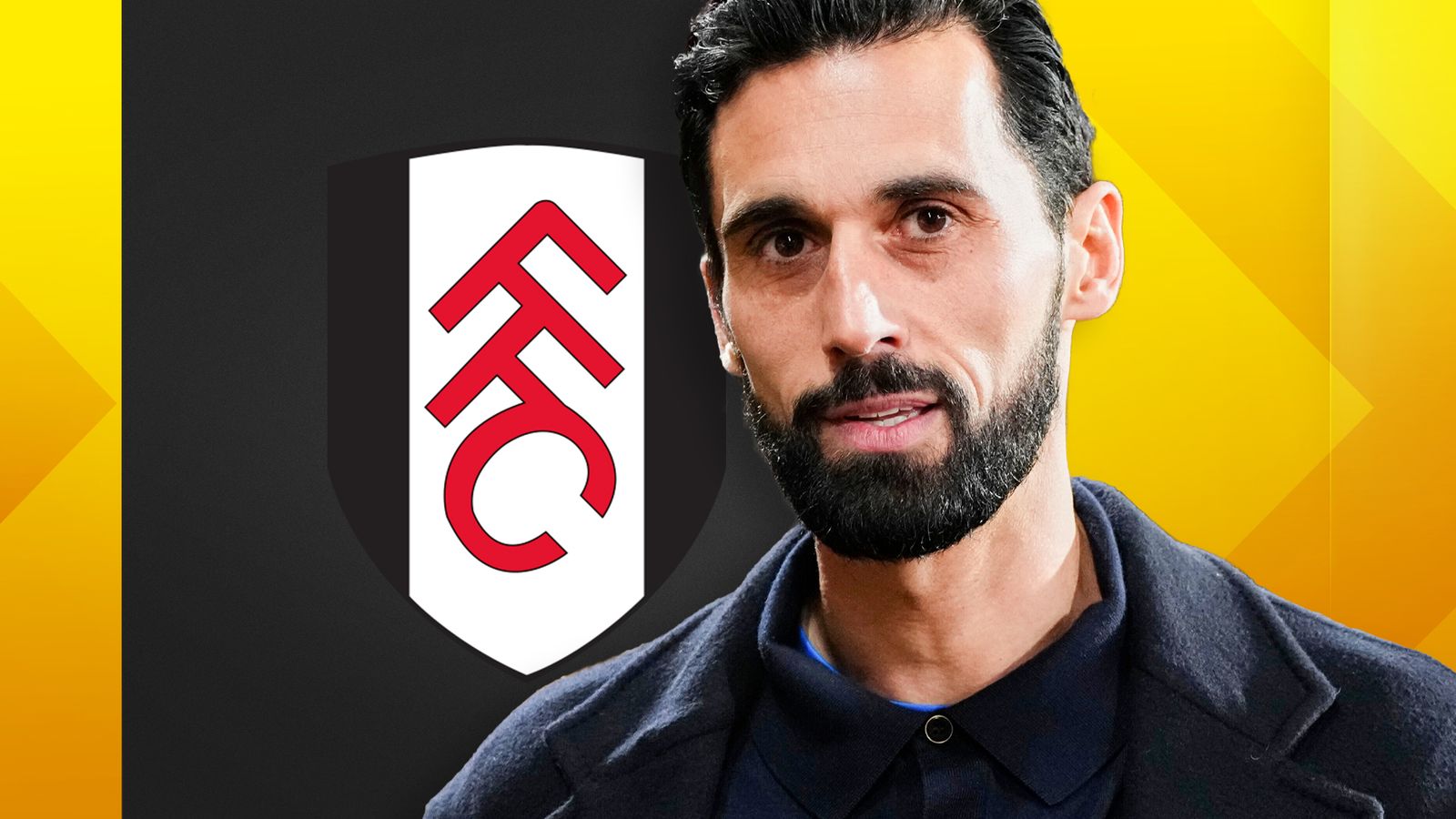
When Fulham appointed Álvaro Arbeloa as head coach in July 2026, eyebrows were raised across the Premier League. But Arbeloa didn't waste time making his mark, convincing the board to drop roughly £34 million to sign Real Madrid Castilla prospect Gonzalo García in early August. Arbeloa immediately stoked the fires by publicly dubbing García as one of the world's best strikers—a massive claim for a 22-year-old with limited top-flight starts.
García undeniably carried high stock after finishing as top scorer at the 2025 FIFA Club World Cup, but throwing him into English football with that level of hyperbole is a dangerous tactic. If García starts slow against physical English centre-backs, Arbeloa's public backing will look less like tactical confidence and more like reckless over-hyping. It ranks tenth because while the quote set headlines ablaze on Sky Sports, the real operational test begins on the pitch.
9. Ipswich Town's Aggressive Midfield Overhaul
Ipswich Town didn't pull any punches heading into 2026. Recognizing that standard mid-table survival tactics lead to slow deaths in modern football, their recruitment team authorized a sweeping midfield restructuring designed to dominate central transitions. They committed significant capital to recruit press-resistant box-to-box profiles rather than defensive destroyers.
The move paid immediate tactical dividends by giving them control of second balls against top-six opposition. However, the downside remains obvious: their defensive transition out wide looks completely exposed when the midfield line gets bypassed. It sits at ninth because while the ambition is refreshing, the defensive structure lacks the balance needed for long-term consistency.
8. Radek Vitek’s Middlesbrough Loan Delay
Manchester United’s goalkeeper housecleaning hit a serious snag when a recurring soft-tissue injury froze Radek Vitek’s planned loan move to Middlesbrough. Vitek had spent the previous season building momentum and gaining critical first-team minutes, making him one of United’s prime developmental assets ready for Championship exposure.
The setback left Middlesbrough scrambling for late emergency cover while locking United into paying wages on an injured squad player who desperately needed game time. It ranks eighth because it perfectly illustrates how fragile transfer window planning is—one minor muscle tear can ruin two clubs' positional planning in an afternoon.
Tactical Volatility and European Resets
7. Real Madrid’s Frontline Calibration Under Pressure
Managing superstar frontlines rarely goes smoothly, and Real Madrid's early-2026 setup proved no exception. With Kylian Mbappé occupying central spaces, the positional overlap with left-sided attackers created congested left channels and completely abandoned right-wing threat. Opposing managers quickly realized they could narrow their defensive shape and force Madrid into low-percentage central crosses.
The mid-season adjustment forced Madrid to sacrifice a traditional playmaker in favor of direct width. While the stats improved slightly, the sheer lack of defensive work rate from the front line left their full-backs repeatedly isolated against counter-attacks. Seventh spot belongs to Madrid because watching elite talent struggle due to basic spatial inefficiency is football's most expensive problem.
6. The Death of the Passive Low Block
2026 officially buried the idea that a team can sit in a passive 4-5-1 formation for 90 minutes and snatch a point. Data from top European leagues showed that teams defending with sub-30% possession without high-pressing triggers conceded at least one goal in 91% of matches. The tactical shift across mid-table clubs has been total: press high or get picked apart.
The flaw in this universal adaptation is that lower-tier squads simply lack the athletic engine to maintain aggressive pressing past the 70th minute. We saw endless late-game collapses across domestic cups as tired legs turned coordinated presses into easy passing lanes for elite opposition. It earns sixth place for forcing every manager in Europe to rewrite their defensive playbook.
5. Bayern Munich's Central Axis Reliance
Harry Kane's deep dropping movements continued to dictate Bayern Munich’s entire offensive output through the early months of the year. Kane didn't just score goals; he essentially operated as Bayern's primary playmaker, pulling opposition centre-backs into midfield to release running wingers. When it worked, Bayern put five goals past Bundesliga opponents before halftime.
The issue surfaced during high-level European ties when physical defensive midfielders shadow-blocked Kane’s passing lanes, completely severing Bayern’s link to their wingers. Without a secondary creator stepping up into central zones, Bayern’s attack stagnated into aimless possession. Fifth place is fitting: brilliant when functional, but single-threaded to a fault.
Financial Reality and Strategic Pivots
4. The Mid-Market Transfer Liquidity Freeze
European football hit a financial wall in mid-2026 as strict profitability and sustainability guidelines clamped down hard on mid-tier European clubs. Traditional £20m-to-£30m squad player transfers virtually disappeared overnight, replaced by structured loan-with-option deals and heavy sell-on clause demands. Clubs simply refused to take raw financial risks on unproven talent.
This freeze stalled half a dozen anticipated Premier League moves and left squad depths threadbare ahead of congested winter schedules. While it enforced fiscal discipline, it also neutered mid-table clubs from making the aggressive moves needed to break into European spots. It lands at fourth because financial governance is now dictating matchday lineups just as much as injury lists.
3. The Re-Emergence of the Dual-Striker System
After years of lone-striker dominance, two-front systems made an unexpected comeback across European tactical setups. Managers realized that pairing a physical target man with a dynamic runner overwhelmed modern three-back defensive lines that were trained exclusively to mark space rather than dual threats. The tactical shift produced some of the highest-scoring domestic months in recent memory.
Yet, running two central strikers gutted midfield numerical control for teams without elite wing-backs. Watching sides get utterly dominated in central possession just to play direct football was a painful trade-off that many coaches abandoned after hard losses. It takes the podium at third for briefly making old-school tactical directness cool again.
2. Manchester City’s Inverted Control Mechanism
Manchester City pushed structural fluidness to absolute extremes in 2026, building build-up phases that shifted into a 2-3-4-1 setup under press pressure. By slotting inverted full-backs into central midfield alongside Erling Haaland's vertical pin, they strangled opposition counter-attacks before they could clear the defensive third. Statistically, City allowed fewer than 0.65 expected goals per match during this stretch.
The system required absolute positional perfection; one wrong pass from an inverted defender left 50 yards of open space behind them. A handful of catastrophic defensive turnovers against elite counter-pressing sides exposed the sheer risk of the setup. It takes second place because it represents the highest ceiling—and most dangerous tightrope—in modern tactical coaching.
1. Arsenal's Set-Piece Dominance Peak
The number one spot goes to Arsenal’s absolute refinement of set-piece offensive routines into a primary scoring weapon. In early 2026, Arsenal logged an astonishing strike rate, generating over 35% of their total goal output directly from corners and dead-ball deliveries. They treated dead balls not as secondary chances, but as high-probability tactical plays designed to pick apart zonal schemes.
Opponents knew exactly what was coming—blocking runs, near-post flicks, and back-post overload—yet nobody could stop it consistently. Critics complained that reliance on set pieces made their open-play football look robotic and rigid during slow spells. But in a sport decided by microscopic margins, turning routine corners into consistent goals is the single most impactful moment of the year.
Honorable Mentions
Just outside the list: Saudi Pro League’s targeted pivot toward under-23 South American talent, the widespread adoption of AI-driven throw-in coaching, and the rising injury rates linked directly to expanded international tournament schedules.