The Big Picture
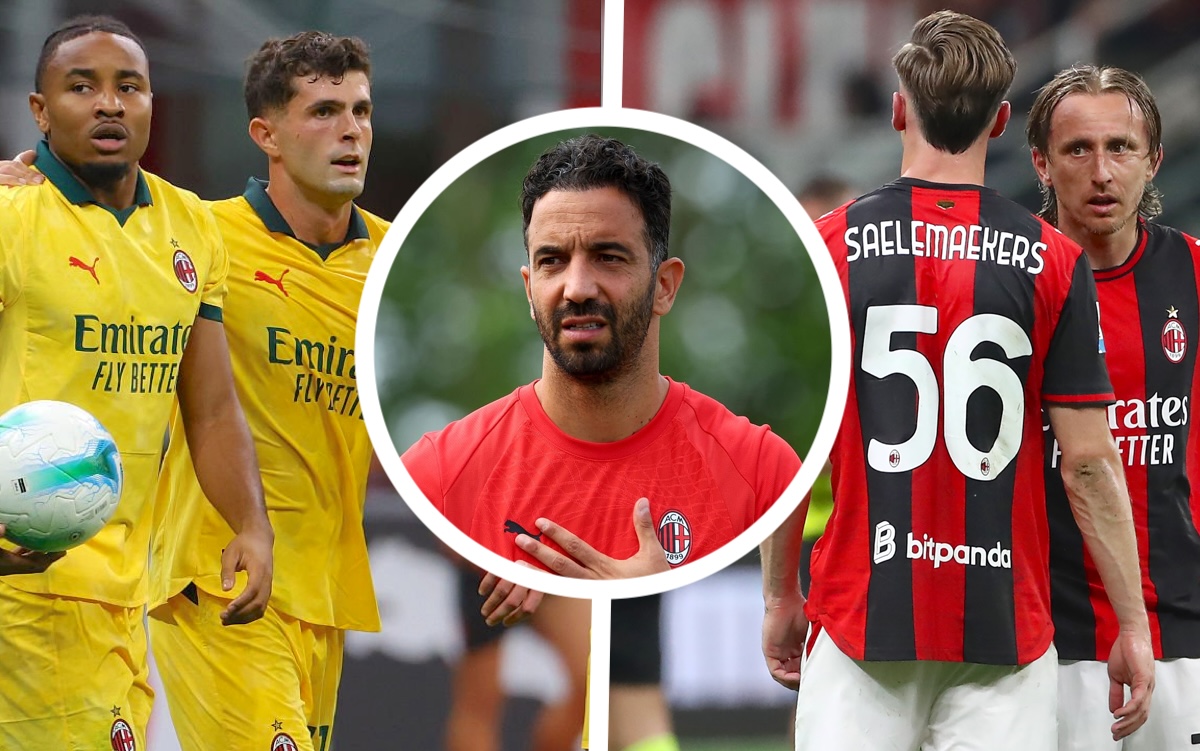
Ruben Amorim has arrived at the San Siro with a reputation for rigid tactical discipline and a specific demand for verticality. His implementation of the 3-4-2-1 formation aims to maximize individual output while forcing a transition from traditional wing play toward narrow, creative playmaking zones.
The Tactical Hierarchy
1. The Wing-Back Metamorphosis
Alexis Saelemaekers is the primary beneficiary of this system change as he shifts into a high-intensity wing-back role. While previously asked to provide defensive cover on the flank, Amorim demands he act as a primary engine for attacking transitions. This positioning forces him to cover the entire length of the pitch, a taxing assignment that will determine the squad's defensive stability.
2. Luka Modric’s Central Pivot
Modric faces the most significant role adjustment in his twilight years as the deep-lying playmaker in a double pivot. He is tasked with dictating tempo without the luxury of a traditional three-man midfield base. This requires him to pick passes under higher pressure, though it allows him to conserve energy by avoiding wide lateral sprints.
3. The Pulisic Number Ten Role
Christian Pulisic operates as one of the two creative pivots behind the striker, moving inside from his traditional wide berth. This change brings him closer to the box to exploit pockets of space between the opposition center-backs and holding midfielders. It is a calculated gamble, as he must now operate in tighter spaces where his dribbling utility is naturally restricted.
4. Christopher Nkunku’s Free Role
Nkunku pairs with Pulisic to form the dual-creative engine of the attack. His ability to drift into wide areas or drop deep creates confusion for opposing defensive lines. This fluidity is essential to the 3-4-2-1, as it compensates for the lack of traditional wingers pushing high.
5. The Three-Center-Back Foundation
Defensively, the system demands three central defenders who are comfortable splitting wide during build-up play. This setup is inherently risky, leaving the flanks exposed if the wing-backs fail to track back instantly. As recent reports suggest, the squad is still internalizing the specific responsibilities of this back-three structure.
6. Vertical Passing Metrics
Amorim mandates a move away from sideways ball circulation that defined previous iterations of the team. The goal is to reach the final third in three passes or fewer, prioritizing speed over possession retention. Critics argue this leaves the team susceptible to turnovers in the middle of the park.
7. Pressing Trigger Adjustments
The high press is no longer a collective sprint but a calculated trap triggered by the two advanced playmakers. By forcing play into the narrow middle channels, the team looks to create turnovers in dangerous proximity to the goal. It is an efficient system, provided the stamina levels of the forwards hold for 90 minutes.
8. Defensive Transitions
The transition from attack to defense remains the biggest vulnerability in this system. With the wing-backs positioned high, the two central midfielders often find themselves isolated against counters. The lack of an out-and-out defensive destroyer in the pivot role is a glaring omission that may cost points against faster opponents.
9. Fixed Striker Isolation
The lone striker is often left isolated, acting primarily as a target man or a decoy for the two creative pivots. This requires a specific set of attributes that prioritizes hold-up play over pace. It is a thankless task that may frustrate strikers used to more direct service.
10. Squad Depth Limitations
The system relies heavily on specific profiles that are not currently abundant in the Milan roster. If Modric or Pulisic suffer injuries, the tactical balance of the entire team collapses. The lack of specialized depth remains a significant concern for the upcoming campaign.
Honorable Mentions
While the focus remains on the core tactical shift, the integration of academy prospects into the wide-rotation spots remains an ongoing process. Discussions regarding rotation in the pivot roles are also surfacing, as outlined in recent tactical breakdowns. The long-term viability of this system relies on the squad's willingness to abandon individual comfort zones for the sake of a collective, highly specialized tactical structure.