The stakes of the 2026 World Cup
As we clock in on June 19, 2026, the tournament has quickly spiraled from a celebration into a high-stakes arena of injuries, paranoia, and tactical mind games. These ten developments are currently dictating the flow of the tournament and determining which squads are prepared to survive the initial group stage pressure.
1. Ismael Kone’s career-altering injury
The Canada midfielder suffered an appalling leg break during the 6-0 thrashing of Qatar that has cast a massive shadow over the host nation's tournament hopes. Kone was stretchered off in visible agony and rushed immediately to the hospital for surgery. It is a devastating blow that robs the team of their heartbeat in the middle of the pitch. The visuals were horrific, and the loss of his mobility and vision will fundamentally change how Canada dictates play. This sits at number one because it is the most visceral example of the physical cost of this tournament so far.
2. Assim Madibo’s hospital visit
In a rare moment of sportsmanship, Qatar's Assim Madibo visited Ismael Kone in the hospital following the tackle that caused the break. While the apology is a classy gesture, it does not mitigate the damage done to Canada's roster. The incident highlights the thin line between competitive edge and dangerous play. It keeps the dialogue focused on player safety throughout the remaining group fixtures.
3. Mauricio Pochettino’s paranoia
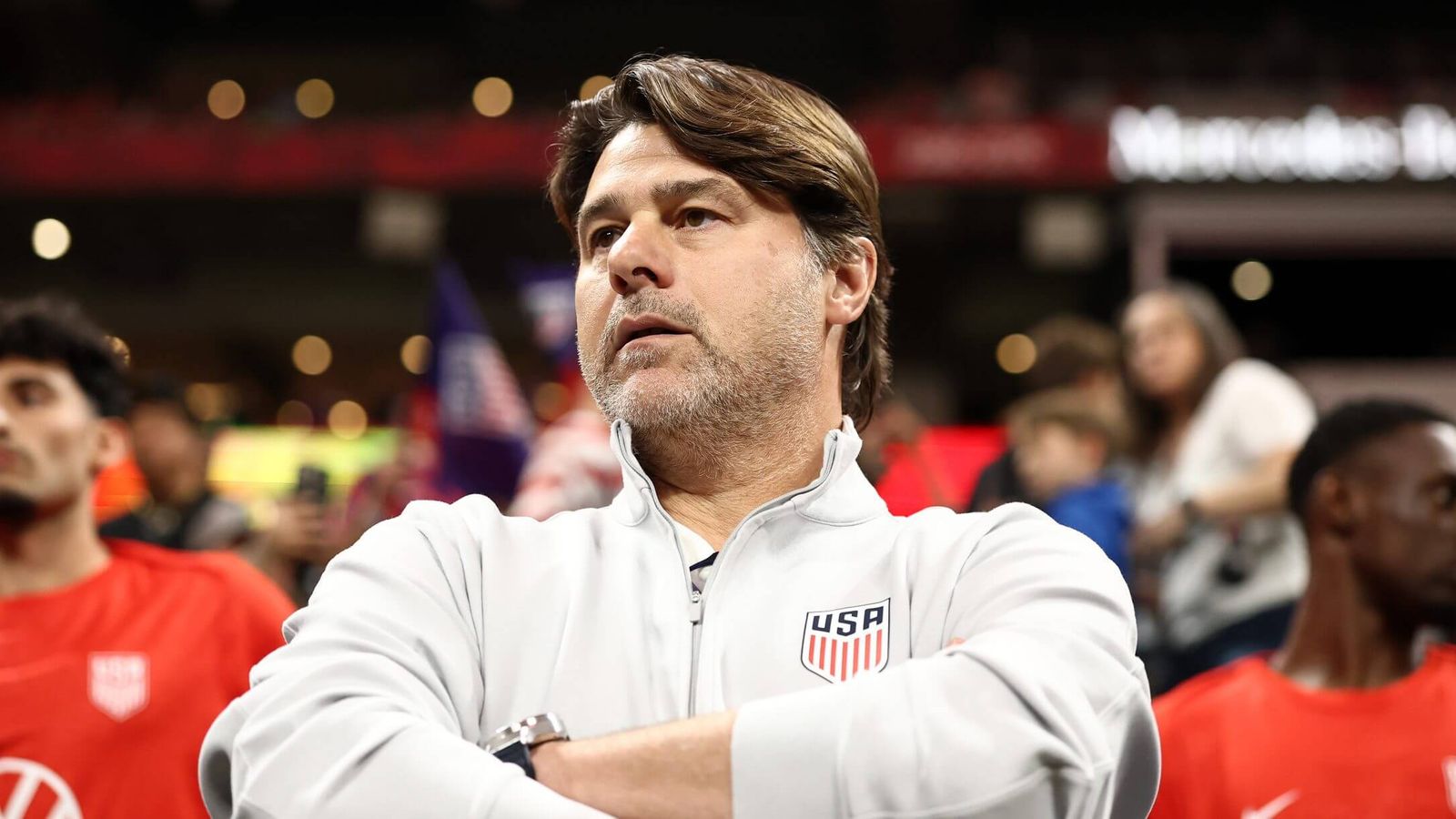
The USMNT manager was filmed prowling his own training ground, clearly hunting for potential spies. He openly admitted to journalists at his pre-match conference that he is operating in an era where he feels he must personally vet his perimeter. It is bizarre, bordering on unnecessary, and it signals that the pressure is getting to the coaching staff. If the team does not produce results, these antics will be viewed as a deflection tactic gone wrong.
4. Christian Pulisic’s fitness status
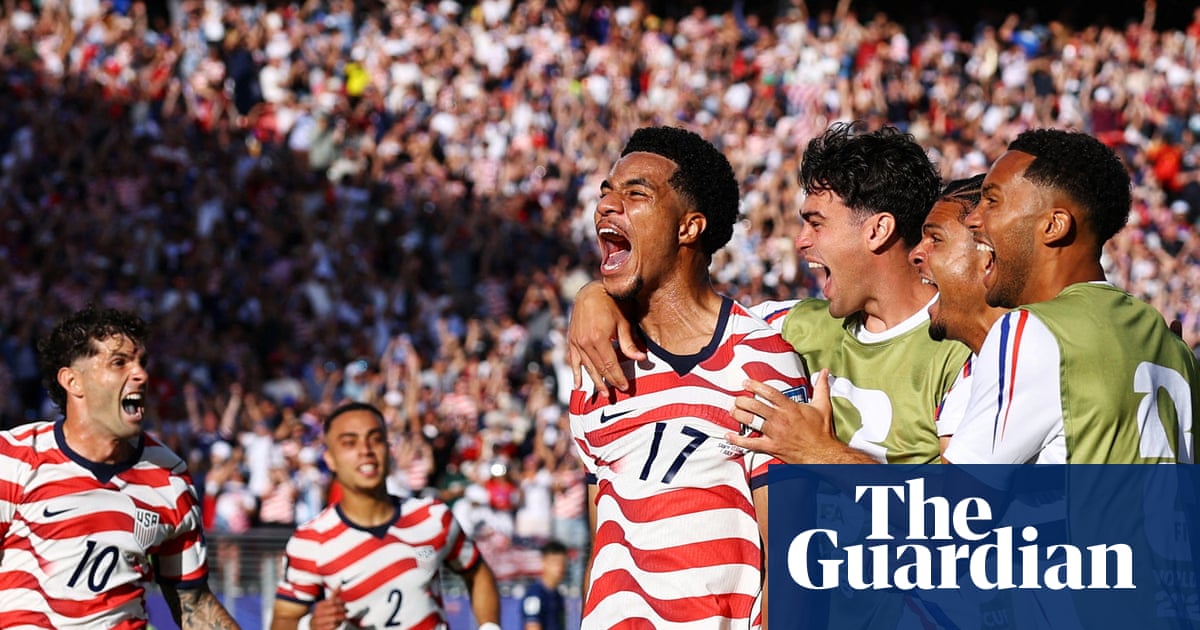
Pochettino is keeping everyone guessing regarding the availability of his star forward for the match against Australia. Pulisic looked elite against Paraguay before being pulled at halftime, leaving a gaping hole in the attack. Managing his minutes is the difference between a deep run and another early exit for the US squad. We will know exactly how much he can offer within the next few hours.
5. The USMNT consistency crisis
Kasey Keller is right to be skeptical about the overall state of the American squad heading into the showdown with Australia. While the team is favored, their inability to maintain intensity over ninety minutes is a glaring red flag. Experts like Kasey Keller remind us that reputation does not win championships. Without a stable performance profile, they remain highly vulnerable to an upset.
6. Canada’s psychological resilience
Managing the emotional fallout of a brutal injury to a teammate while preparing for the next match is an immense test of character for Jesse Marsch. The head coach has been transparent about the emotional toll inside the dressing room. Whether the squad can convert that grief into focused aggression against their next opponent is the primary question for the Canadian camp. You can follow the local reaction as reported by The Mirror to stay updated on the locker room morale.
7. Australia’s dangerous underdog status
The Socceroos love the role of the spoiler, and the current US defensive instability plays right into their trap. They possess a physical profile that can punish a team distracted by spies and injury reports. If the US doesn't settle quickly, Australia has the organization to make it a long night. They are the team no one wants to face in a must-win scenario.
8. Tactical theater in the media zone
Pochettino’s comments about the era of the spy might be a calculated play to control the narrative. As captured via The Guardian, these antics draw attention away from legitimate tactical shortcomings. It is a dangerous game to play three days before a decisive match. If it serves as a galvanizing force, it's brilliant; if it's just nerves, it's a disaster.
9. The physical quality of Qatari football
Qatar entering a 6-0 result while injuring a primary opponent raises questions about their defensive discipline. While they were comprehensively beaten, their contribution to the narrative has been defined by physicality rather than technical prowess. It serves as a reminder that desperate teams often play with a reckless edge that threatens tournament stars. They have left a trail of chaos in their wake despite lacking offensive threat.
10. The refereeing standard under pressure
Early tournament officiating has been inconsistent, allowing too many high-stakes tackles to escalate beyond necessary contact. The tackle on Kone was a critical failure of game management that resulted in a season-ending outcome. Until VAR and on-field refs standardize the enforcement of dangerous play, players remain at significant risk. This is the one flaw in the tournament's current trajectory that needs an immediate course correction.
Honorable Mentions: The atmospheric pressure in host cities as games kick off, the surprising lack of defensive structure from bottom-seed nations, and the ongoing debate surrounding rotation policies for tournament favorites.