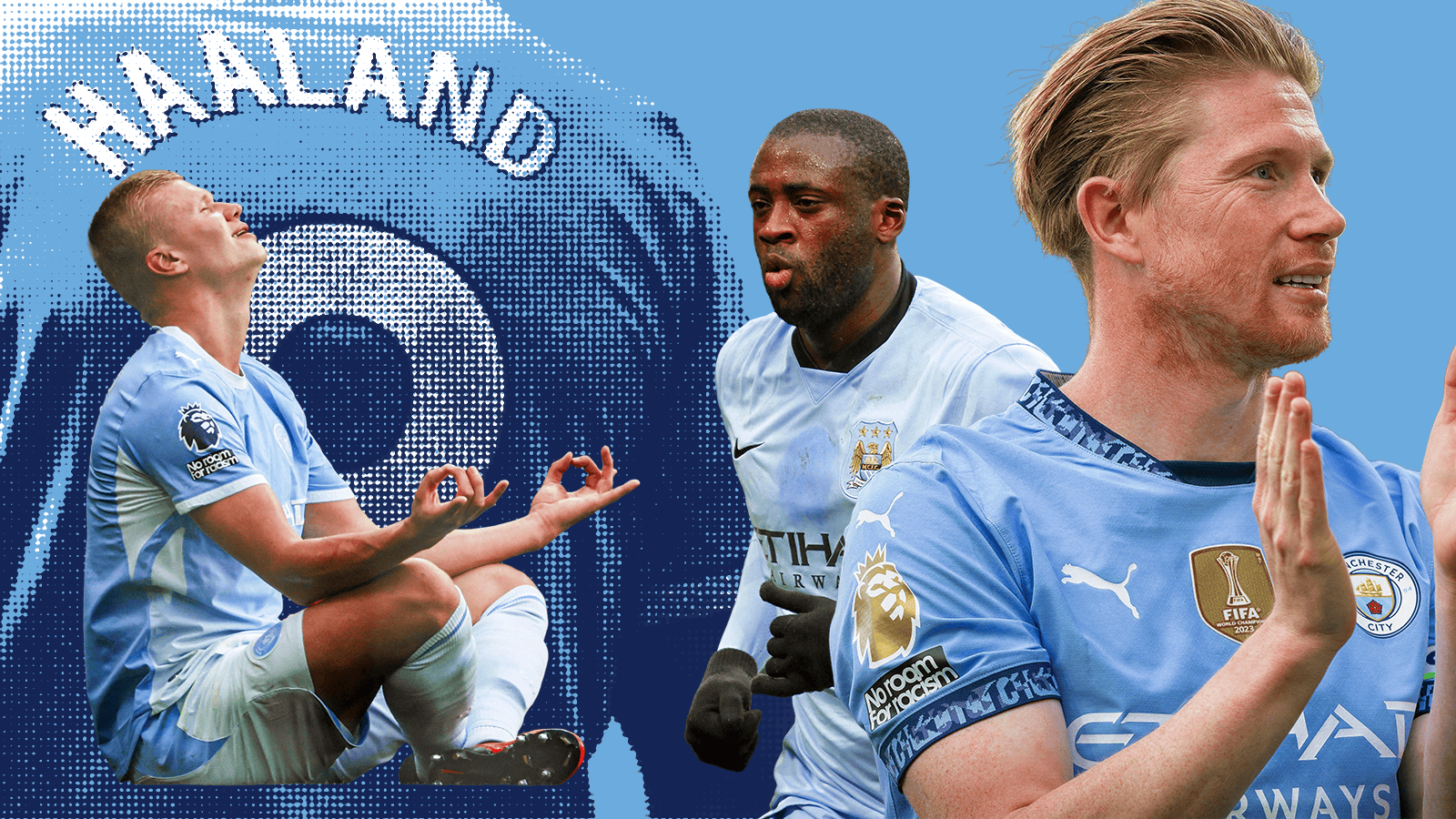
The defining friction points of the year
Professional football in 2026 has been defined by a collapse of decorum and tactical rigidity. We have reached a point where the speed of play outpaces the ability of officials and traditional social contracts to maintain order.
These ten moments highlight a sport currently struggling to reconcile its massive commercial growth with basic sportsmanship. Whether it is a snubbed handshake or a tactical failure, these incidents defined the current season.
1. The Djed Spence snub
Djed Spence visibly ignored Thomas Partey during the post-match sequence this week. Sky Sports coverage captured the exact moment the handshake was bypassed, causing an immediate stir in the dressing room. It represents a total breakdown of professional obligation in the modern game.
This ranks first because it signaled a shift in player autonomy. Players are no longer prioritizing optics or respect, choosing open disregard instead. The fallout suggests internal morale issues plaguing elite clubs.
2. The Tuchel tactical bunker
Thomas Tuchel attempted to implement an ultra-conservative block early in his tenure with the Three Lions. It resulted in a sequence of goalless draws that alienated the home crowd and invited intense criticism from pundits.
The decision to hold back offensive talent despite having a clear 2-0 lead in possession metrics ruined the momentum of the unit. A manager with his resume should understand the necessity of closing out games with intent rather than attrition.
3. VAR institutional fatigue
The officiating body failed to intervene during a clear handball incident in the mid-season derby, leading to a permanent shift in how players approach the penalty area. By opting for silence during the 64th minute, they effectively neutralized the accountability process.
It is a failure of logic. If teams can no longer trust a review process, the game becomes a chaotic scramble for loose balls without structural integrity.
4. The bench revolt in London
Several high-profile starters voiced frustration against squad rotation policies in April. Their complaints moved beyond locker room gossip, reaching the press and forcing a rare, public apology from the technical director.
This illustrates the fragility of modern club leadership. When stars decide they are bigger than the rotating squad schedule, the entire system stops functioning.
5. The collapse in defensive line depth
Clubs across the league suffered a catastrophic shortage of fit center-backs by late May. Many departments were forced to play academy prospects, leaving them exposed to seasoned strikers during high-stakes matches.
It highlights a short-sighted approach to hiring. Owners invested heavily in attackers while ignoring the physical wear of a congested season.
6. The missed registration deadline
One Premier League side failed to certify a key winter signing due to a technical error. The player spent three weeks in the reserves, effectively wasting tens of millions in potential match-day value.
This remains an embarrassing stain on the administrative competence of the club. It proves that money is not a substitute for basic organizational hygiene.
7. The fan protest on the pitch
Fans interrupted a crucial fixture to protest rising season ticket prices. The match was delayed for 18 minutes as stewards attempted to clear the turf without further incident.
It reminds ownership groups that they are operating a community asset, not just a holding company. Expect more interruptions until price caps are restored.
8. The final whistle controversy
A referee ended a match while a team was on a promising counter-attack, ignoring the signal for an advantage. The outcry nearly resulted in a formal inquiry from the league board.
It was a poor judgment call that denied a potential winner. The official lacked the situational awareness required for a high-intensity finish.
9. The breakdown of post-match interviews
Managers increasingly used interviews to settle private scores rather than address actual footballing issues. It makes the viewing experience for fans increasingly tedious and repetitive.
Football is a spectacle of skill, not a reality television platform. The media training for these figures is clearly failing to produce articulate responses.
10. The youth transfer loophole
A mid-table club signed three academy players from a rival based on a questionable reading of FA regulations. The move was labeled predatory by rival directors and has led to a formal investigation.
While technically compliant with current phrasing, it lacks the spirit of the game. It is a cynical maneuver that hurts the longevity of local training pipelines.
Honorable Mentions
- The late injury time substitution that backfired on a title-chasing squad.
- The stadium floodlight failure during the live broadcast of the London derby.
- The kit supplier error that forced one team to wear an old strip for 90 minutes.