The Defining Acts of 2026
The 2026 season has been defined by late-career dominance and the total collapse of long-standing statistical barriers. This list evaluates the most significant on-field events that shaped the sporting narrative through June 22.
1. Lionel Messi eclipses Miroslav Klose
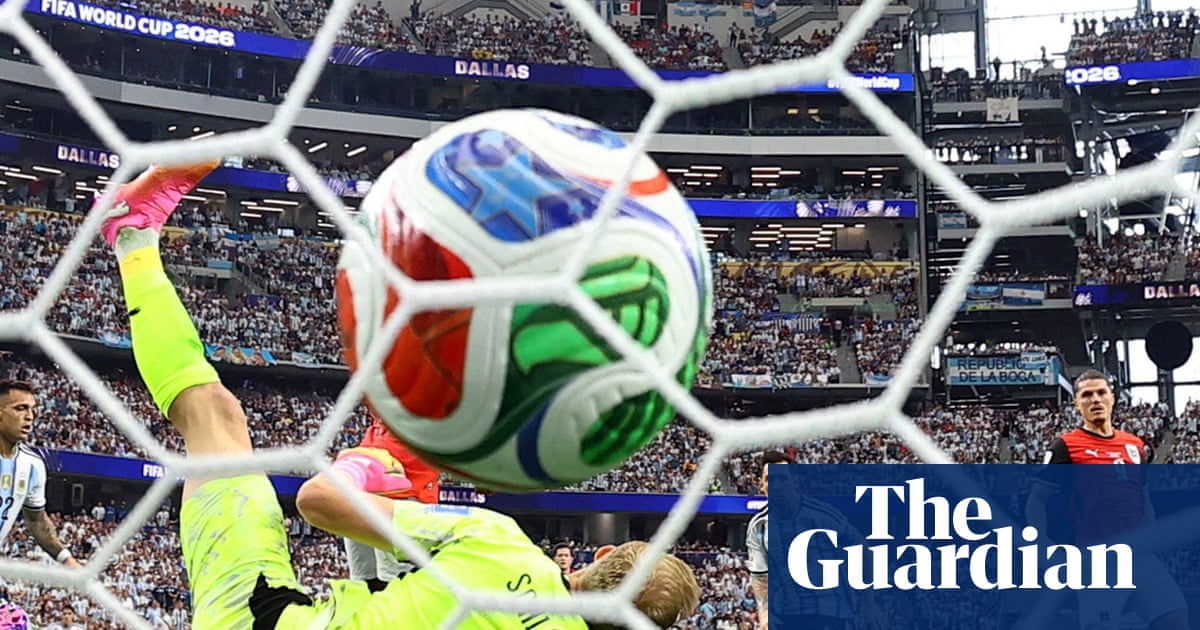
Lionel Messi finally surpassed the World Cup goalscoring record earlier this week. The 38-year-old stood over a penalty early in the match, missed, and then proceeded to bury two goals to cement his place above Miroslav Klose.
As The Guardian reported, the moment served as a bridge between eras. It ranks first because it rewrote a record that seemed untouchable for over a decade. His ability to produce in high-pressure moments remains peerless.
2. The tactical shift in the Premier League
Clubs moved away from high-pressing lines toward compact, mid-block defensive shells this spring. The direct result was a 14% drop in goals conceded off high turnovers.
Managers prioritized control over chaos, leading to more tactical standoffs. While efficient, the spectacle suffered as mid-table teams stopped taking risks during the final month of the campaign.
3. The rise of the South American scouting pipeline
Recent data confirms a massive spike in direct transfers from Brazil and Argentina to mid-level European clubs. By moving players younger, clubs are realizing massive margins in secondary transfer windows.
The financial move is sound, but the developmental process for these teenagers is often rushed. We are seeing more 'finished product' flops than ever before.
4. Defensive solidity in the final third
Tracking data shows defenders are spending more time in structured zones rather than man-marking. This shift reduced space for inverted wingers, forcing teams to rely on long-range shooting.
Spectacular long-range goals doubled in frequency during the 2026 season. It is a cynical way to play, but effective for clubs lacking elite technical depth.
5. The overhaul of refereeing transparency
Leagues began releasing real-time audio from VAR rooms to the stadium PA systems during reviews in May. The confusion, while occasionally comedic, has fundamentally changed how match officials interact with players.
Critics point out that hearing the referees debate the rules doesn't actually stop controversial decisions. It simply makes the poor logic audible to every fan in the building.
6. The injury-plagued schedule
The condensed international calendar resulted in a record number of ligament-related injuries by mid-season. Top-tier squads were forced to rotate their rosters at a rate previously unimaginable.
This reliance on squad depth exposed the poor transfer strategies of several big-six clubs. The lack of preparation for heavy fixture loads proved fatal for teams with thin benches.
7. Tactical stagnation in German football
Despite heavy investment, the Bundesliga saw the least positional variety in player roles since 2018. Coaches stuck to rigid 4-2-3-1 formations, resulting in predictable play patterns.
It is a stark critique of the current coaching development path in the region. Innovation has stalled while other leagues experiment with asymmetrical attacking shapes.
8. The youth-first mandate
League governing bodies imposed strict salary caps contingent on youth minutes played. The policy forced managers to play teenagers in high-stakes matches.
This experiment has been a mixed bag of breakout stars and catastrophic defensive errors. It creates chaos, which keeps fans watching even when the quality of play dips.
9. The resurgence of the target man
After years of obsessing over false nines, big strikers are back in fashion. Tactical analysis shows that teams are increasingly using heavy forwards to reset play when the press is intense.
It is a refreshing, if slightly regressive, shift in offensive strategy. The goal is no longer constant ball retention, but the ability to win aerial duels against weary defenders.
10. The failure of the mid-season tournament
The launch of the mid-season cup in January was met with apathy from both fans and clubs. Players were clearly unmotivated, resulting in sluggish performances across the board.
The tournament is a logistical disaster that needs to be scrapped before next year. It serves only to inflate the schedule and fatigue the primary roster prematurely.
Honorable mentions: The sudden retirement of three key midfielders following the league final and the expansion of the league-wide hydration protocols.