The quiet attrition of elite football
Player availability remains the most volatile variable in managing a modern squad. As we examine the intensity of the 2026 calendar, the sheer volume of matches is forcing clubs to rethink how they handle chronic issues. It is no longer just about the initial impact or the acute tackle; it is about managing the cumulative tension that inevitably leads to soft tissue failure.
Injury management is not a luxury, it is a binary condition. If a player is not available for selection, their technical output is functionally zero. Coaches often prioritize game-state strategy, but the math does not lie. When squads rely on a narrow core of starters, the inevitable decline in physical output correlates directly with training load spikes. We see this mismatch often when players are pushed past their threshold during mid-week fixture congestion.
Historical precedent and the fatigue trap
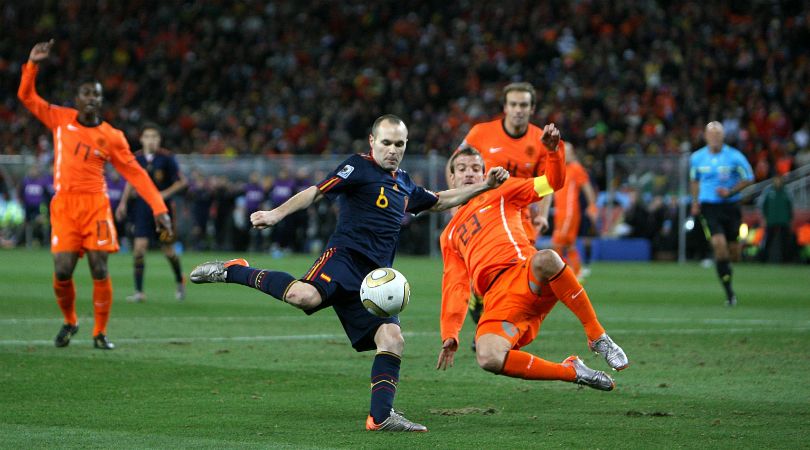
Historically, cycles of high-intensity play often point toward structural exhaustion. If you look back at legendary teams like Spain during their 2010 run, which you can revisit via their historic starting XI, the depth of talent allowed for rotation. Modern clubs rarely have that luxury, and the drop-off between starters and bench players is wider than it has been in a decade.
Many organizations have attempted to build squad depth to mitigate this, but financial pressures often force the hands of managers. The result is a cycle where, as explorations into national team heritage show, consistency is the hallmark of the greatest sides. When that consistency is broken by injury, even the best tactical setups unravel. A team's ability to absorb one, two, or three major absences determines the difference between a title chase and a mid-table stumble.
The strategic cost of mismanagement
One critical observation: there is a failure in individual load management that persists across the top European leagues. Some medical departments prioritize a rapid return to play over sustainable recovery. This creates a recurring problem where a player suffers a grade-one strain, returns early, and subsequently suffers a worse injury that keeps them out for months. It is a wasteful pursuit of instant results that compromises long-term health.
We can look at the data trends among high-usage players, similar to the stats found when tracking Argentina's most decorated legends, to see where the physical breaking points occur. It is rarely a coincidence when a player experiences a drop in performance minutes before a physical setback. The red flags are always visible in the GPS data—sprint speed regression, heart rate variability, and decreased deceleration capacity.
The current solution for teams is often to expand the medical staff, but human resource scaling does not solve the fundamental issue of calendar density. Players need rest periods that the current match schedule—driven by broadcasting demands—does not permit. Until this is addressed, the cycle of attrition will continue, and clubs will remain locked in a perpetual state of plugging holes rather than building coherent, healthy squads.
The financial impact of these fitness crises is reflected in transfer market inflation. If you cannot bank on your existing assets, you are forced to spend massive capital to bring in temporary reinforcements during the winter window. This, in turn, disrupts squad harmony and further complicates the manager's ability to maintain a consistent tactical identity. It is a downward spiral that punishes short-term thinking.
The clubs that manage these periods best are the ones that accept the inevitable. They treat injury recovery as a strategic pillar rather than a temporary burden. By analyzing micro-trends in fitness, these teams keep their best players on the pitch when it counts. It is a cold, calculated approach, but in a field defined by 90 minutes of total effort, it is the only way to remain relevant and competitive over an entire season.