The Big Picture
International and club football exists in the high-stakes friction between heritage and evolution. These ten moments captured the cultural zeitgeist and changed the trajectory of the game.
The Rankings
10. Brazil Returns an Icon
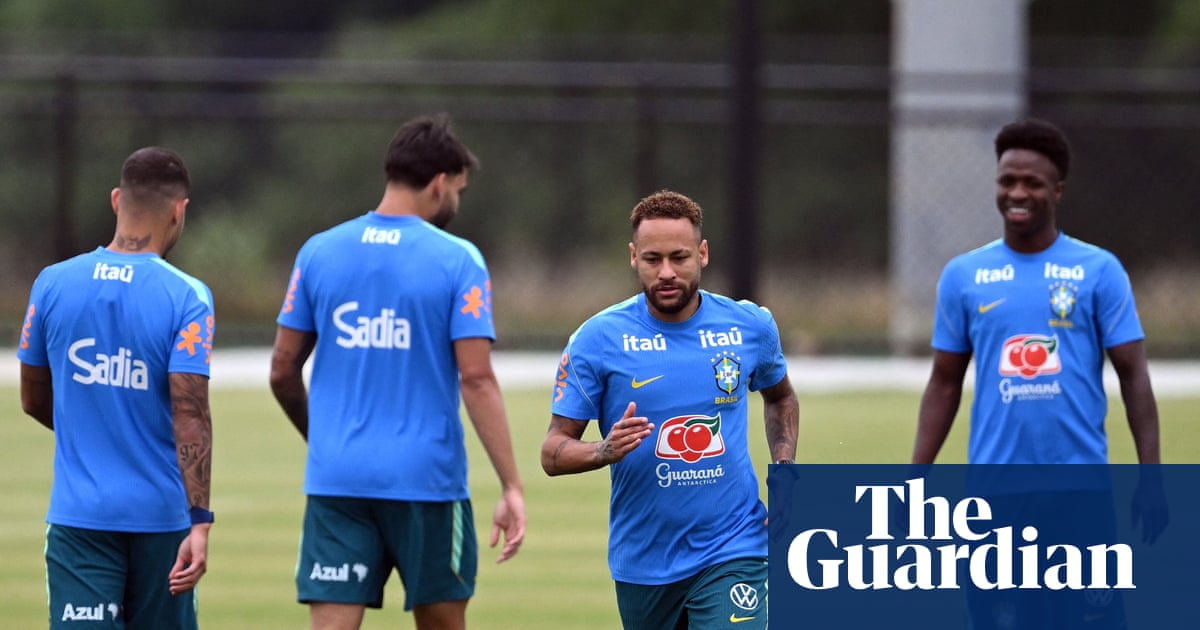
Neymar’s expected return to the pitch in Miami this week signals a pivot for the 2026 World Cup bracket. As The Guardian reported, Steve Clarke is already warning Scotland about the tactical nightmare of facing him. His return is a massive branding win for FIFA, even if his actual impact after a long injury remains statistically speculative.
9. The 2025 Lockdown Cage Main Event
TNA Wrestling forced the industry to pay attention with a 34-minute masterclass in cage psychology. It broke the mold for how long a main event should run without losing audience engagement. Critics argue the ending felt rushed, but the technical efficiency was undeniable.
8. CM Punk Returns to Chicago
The atmosphere in that building was suffocating. Punk’s homecoming bypassed typical corporate hype and felt like an organic surge of fan energy. It set the standard for how to handle returning stars, proving that location choice is just as important as the talent involved.
7. The Modern Tactical Shift
Football evolved when high-pressing systems became the mandatory baseline for elite clubs. This isn't just a trend; it killed off the traditional number 10 position in top-flight European leagues. Watching teams struggle to adapt to 4-3-3 variations has been the most consistent narrative in sports analytics over the last few years.
6. Continental Expansion Efforts
TNA’s aggressive push into international markets changed the distribution model for mid-tier promotions. By focusing on legacy rosters, they managed to capture a share of the audience that was bored with traditional monopolies. It was a risky play that largely stabilized their balance sheet.
5. The VAR Implementation Crisis
Video Assistant Refereeing was meant to fix human error but created a vacuum of controversy instead. The 5-minute delays to review marginal offside calls have drained the momentum from the sport. It stands as a cautionary tale of technology being forced upon a game that thrives on pace.
4. Statistical Modeling Breakthroughs
Clubs stopped relying on 'eye tests' and began hiring teams of pure mathematicians to find value in the transfer market. Finding a bargain winger for 12 million based on xG metrics is now a standard practice. It ruined the romance, but it undeniably elevated the quality of mid-table squads.
3. The Academy System Reinvention
The focus on producing homegrown talent shifted from luxury to necessity as transfer fees skyrocketed. We are seeing record numbers of teenagers starting in Champions League fixtures. While it has improved talent depth, many young players are burned out by age 21 due to the sheer volume of competitive minutes.
2. Global Media Rights Escalation
The monetization of football content blew the lid off the industry's previous revenue models. When broadcasting deals jumped by triple-digit percentages, it forced a shift in club ownership profiles. We moved from local owners to billion-dollar equity funds, altering the cultural identity of nearly every major club in the world.
1. The Return of the Prodigal Son
CM Punk’s surprise appearance in Chicago takes the top spot because it generated the most genuine, unscripted noise of the decade. It remains the baseline for a 'pop' in professional wrestling. Everything since has been chasing that specific level of audience connection, rarely meeting it.
Honorable Mentions
These narrowly missed the list due to inconsistency or lack of long-term impact on the industry. The mid-tier European expansion efforts showed promise but lacked the required capital to sustain success long-term. Similarly, the league-wide adoption of player-tracking chips provided interesting data but had zero effect on the actual enjoyment of the matches.