The Big Picture
AC Milan enters the summer of 2026 at a crossroads defined by squad transition and strategic management. The roster balance remains a high-stakes puzzle as the club weighs the retention of marquee talent against necessary structural evolution.
The Ranking
- Rafael Leao
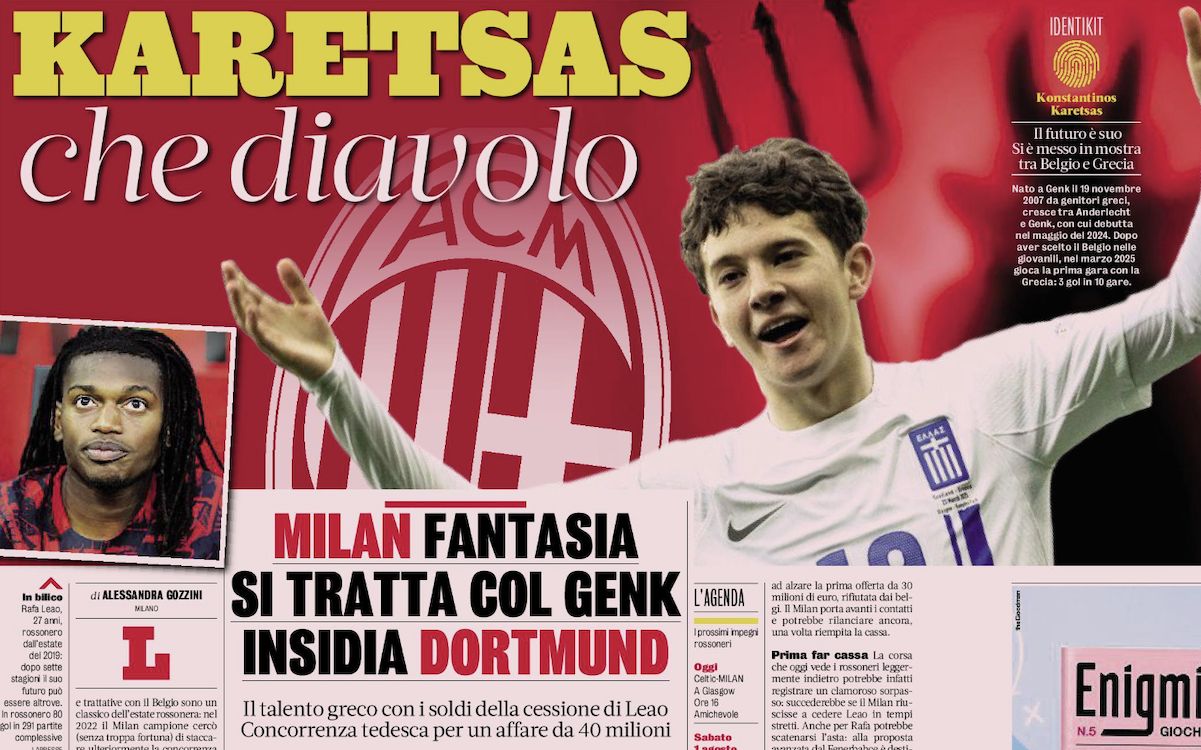
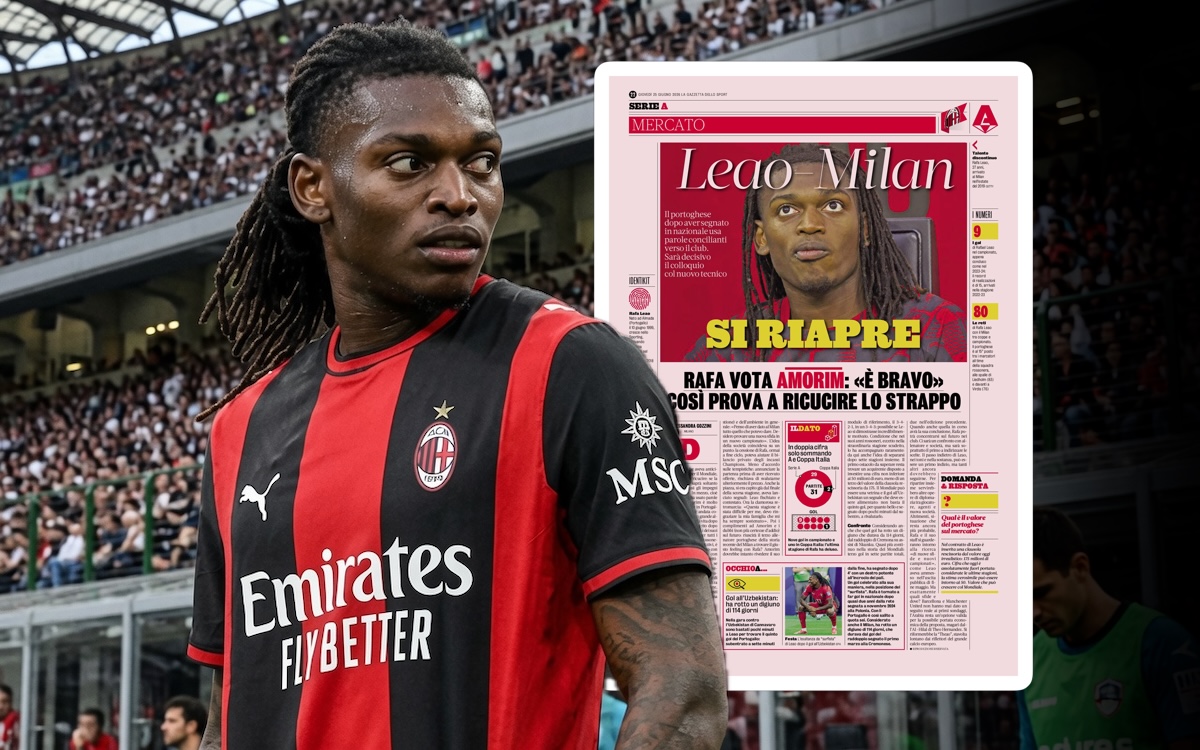
Leao remains the undeniable engine of Milan’s attacking output. Despite recurring exit rumors, recent reports suggest a potential reopening in his commitment to the club. He ranks first because when he occupies the left wing, he dictates the quality of the team's entire offensive identity. His ability to turn a stagnant possession phase into a goal-scoring opportunity in seconds is something few players in Europe possess.
- Santiago Gimenez
The forward has become a lightning rod for transfer speculation, yet his agent maintains a rigid focus on his ongoing development. While some fans worry he is looking toward the exit, Gimenez has signaled a desire to tune out the noise and perform. He sits at number two because his clinical finishing is the primary solution to Milan’s long-standing issues with target-man consistency. As reported recently, his camp is prioritizing his professional trajectory over immediate noise.
- Zlatan Ibrahimovic
Ibrahimovic occupies a specialized role in the front office, acting as the bridge between the ownership and the dressing room. His influence on recruitment philosophy is massive, though his involvement in failed pursuits like the Krösche deal shows the risks of his aggressive approach. He is third because his personality effectively shadows every tactical decision made at the club level.
- Markus Krösche
Even after a move to Milan fell through, the executive remains highly relevant to the Rossoneri story. Details regarding his contract clauses have trickled out, revealing how close the club came to changing its leadership structure. His rejection highlights a strategic flaw in how Milan approaches high-level executive recruitment.
- Gerry Cardinale
The owner sits in the middle of the pack because his financial stewardship faces constant scrutiny from the San Siro faithful. He sets the budget that limits or enables moves for players like Gimenez or potential free-agent targets. Critics point to the disconnect between the ownership’s fiscal conservative approach and the expectation to challenge for Serie A titles annually.
- Daichi Kamada
Milan is circling back to the midfielder as an option for a free transfer, illustrating the club's reliance on cost-effective market opportunities. He ranks sixth due to his versatility, though his track record suggests he is a depth piece rather than a primary catalyst. Relying on players like Kamada reflects a pragmatic, if unexciting, approach to squad depth.
- The Scouting Department
This group has failed to provide consistent wins in the market, often oscillating between high-reward targets and unproven gambles. Their inability to finalize key deals leaves the squad thin in crucial areas of the pitch. When they miss, the lack of quality in the secondary ranks becomes glaringly problematic during injury stretches.
- The San Siro Medical Staff
The frequency of muscle injuries across multiple seasons is a massive, often ignored problem for the club. High turnover in players hasn't changed the trend of missing key contributors for double-digit matches. This is a negative observation because, regardless of how good the starting XI is, they are never available in full simultaneously.
- Technical Staff
The coaching staff's inability to adapt mid-match is a frequent source of frustration for supporters. They consistently struggle to rectify defensive lapses after conceding the opening goal, often relying on individual brilliance to bail them out rather than tactical execution. This lack of a coherent plan B is the anchor preventing Milan from taking the next step.
- The Curva Sud
The support remains the most passionate aspect of the club, acting as the ultimate barometer for team performance. Their presence is the only reason the stadium remains at 95 percent capacity even when the football on display underwhelms. Without them, the pressure on management to succeed would likely be halved.
Honorable Mentions
The recurring interest in Japanese international talent, as noted in recent coverage, shows the club is prioritizing expanding its footprint in Asia. Finally, the youth academy remains a vital, if underutilized, resource during the ongoing transition period.
Read Next