The Big Picture
Modern professional football is defined by tactical rigidity and defensive compression. These ten moments represent rare instances where individual brilliance or high-stakes unpredictability broke the suffocating standard of current game management.
The Top 10
1. Morgan Rogers' Tactical Emergence
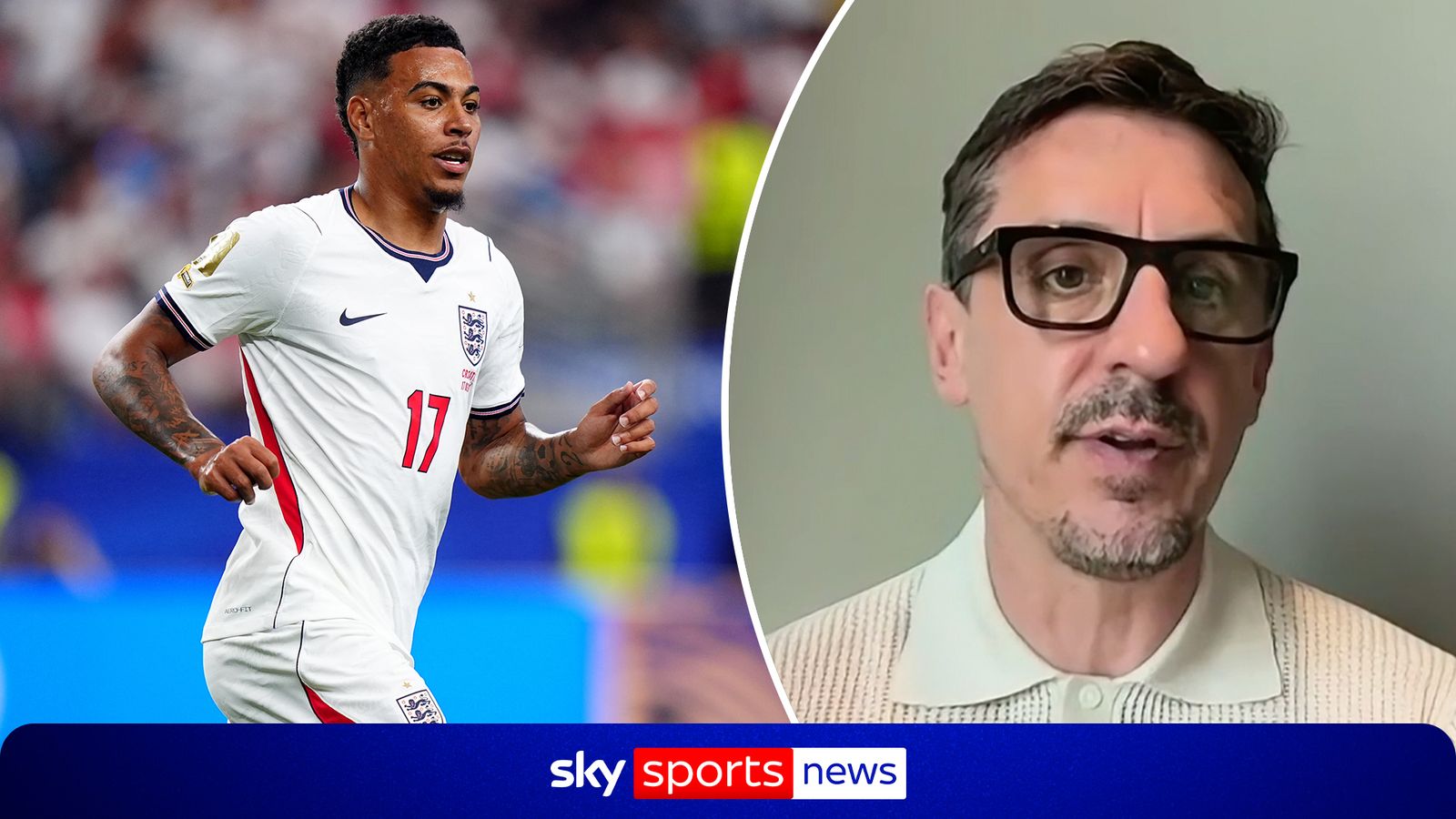
The movement toward utilizing Morgan Rogers in creative roles marks a shift in how English squads address low blocks. As Gary Neville recently highlighted, England's struggles against stubborn defensive formations require authentic invention rather than recycled possession. Bringing him into the starting XI forces opponents to deviate from zonal containment. It ranks first because it prioritizes proactive offensive ingenuity over safety-first coaching mandates.
2. The North London Derailment
Arsenal losing a two-goal lead at the Emirates in April proved that even the most disciplined systems remain fragile under pressure. The collapse happened in exactly 14 minutes of second-half chaos. It exposed an over-reliance on defensive shape that crumbled the moment a counter-attacking side found space between the lines. This serves as a warning for teams prioritizing possession metrics over defensive transitions.
3. The VAR Offside Protocol Revision
The winter shift to semi-automated interpretation removed the excruciating three-minute pauses that ruined winter momentum. By streamlining the process, the game reclaimed its pacing. While some argue accuracy suffered, the aesthetic improvement to match flow was undeniably significant. It sits high because it directly addressed the primary fan complaint of the last three seasons.
4. Jude Bellingham’s Madrid Pivot
Moving back to a deeper defensive role mid-season was initially viewed as a regression. Instead, it provided the structural stability that allowed Madrid to push for late-season honors. Watching a world-class creator sacrifice output for team utility remains the most stark lesson in self-awareness for elite players. It highlights the difference between vanity stats and actual match impact.
5. The Saudi League Spending Ceiling
The realization that massive transfer fees do not automatically produce competitive parity changed the conversation across Europe. Club directors are now opting for scouting efficiency rather than vanity buys. This development effectively cooled the market frenzy of the previous two summers. It represents a mature turn for a market previously defined by erratic spending patterns.
6. Haaland’s 30-Goal Plateau
Erling Haaland failing to hit his usual output did not ruin his side, but it forced a total reliance on mid-range creative output. When the focal point stagnates, the entire system must learn to rotate goal-scoring responsibilities. This lack of prolific finishing actually made his team harder to scout. They are no longer a one-trick pony, which is a surprisingly tactical benefit.
7. The Underdog Rise in CONCACAF
The closing of the gap between established powers and emerging programs demonstrates the failure of institutional laziness. Teams like Panama are forcing traditional giants to respect the technical baseline of every opponent. If you treat a match as a formality, you end up with a result that ruins your seeding. It is the most honest indicator of how the global game is expanding rapidly.
8. Klopp’s Sabbatical Impact
The departure of Jurgen Klopp created a vacuum that changed the pacing of the Premier League. Teams have slowed down, adopting more patient build-up play in the absence of his frantic style. Whether this is an improvement remains heavily debated, but the shift in speed and aggression is unmistakable to any consistent viewer. It altered the league's identity in a single window.
9. The Suspension of the 38-Game Stamina Myth
Rotational policies have become more aggressive than ever, with managers pulling stars at the 60-minute mark regardless of the score. This move preserves legs but robs fans of iconic finishes. It prioritizes long-term availability over the immediate spectacle of a game on the line. It is a frustrating reality of modern player management.
10. The Return of the Specialist Keeper
Teams have abandoned the hyper-focus on ball-playing goalkeepers in favor of shot-stopping reliability. After two years of embarrassing mistakes caused by forcing keepers into deep-lying playmaker roles, common sense has finally returned. A keeper’s primary duty is still keeping the ball out of the net, not completing 40 passes per game. It is a necessary regression to the mean.
Honorable Mentions
The late emergence of young defensive midfielders in the Bundesliga and the disappointing lack of consistency in the Italian title race deserve note. These moments did not shift the global standard, but they shaped the weekly viewing experience for those engaged in the finer details of match preparation.