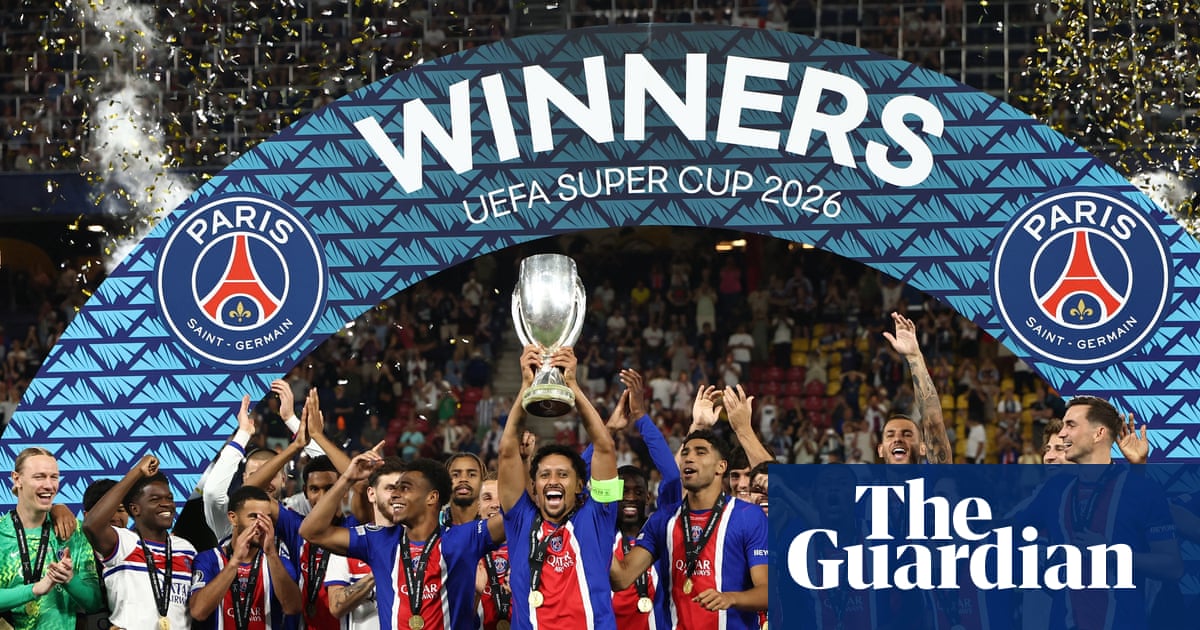
The Big Picture
The Premier League in the 2020s has shifted from dominance by individual juggernauts to a complex tactical arms race. Defining moments aren't just goals; they are the pivots where club hierarchies fundamentally changed.
The Rankings
1. Sergio Aguero leaves Manchester City. After a decade of defining the club, his departure changed the trajectory of the English game. It ended the era of the singular reliance on one striker and forced Pep Guardiola to evolve into the current system.
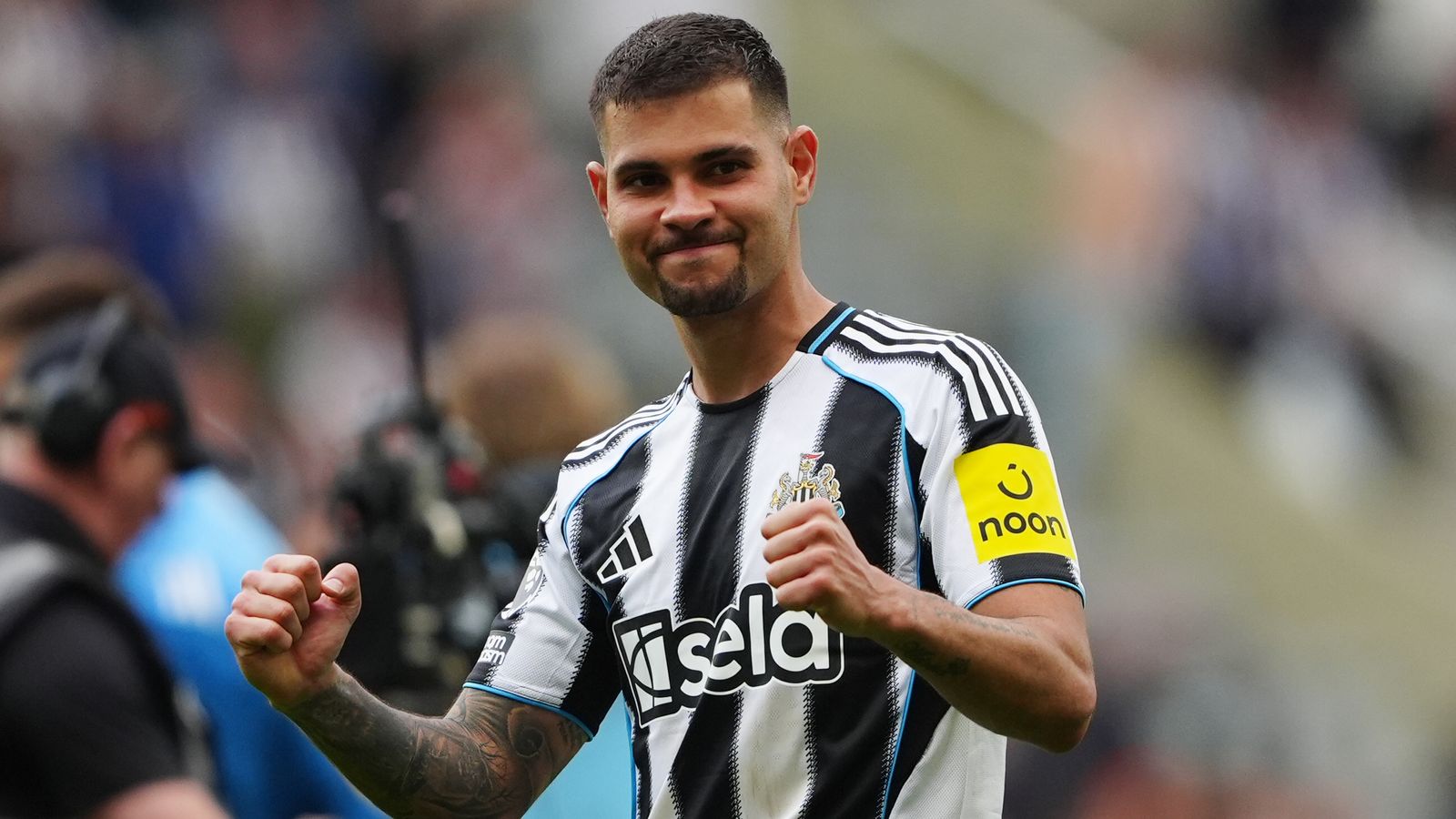
2. Arsenal's pursuit of Bruno Guimaraes. The ongoing saga involving the Newcastle captain shows how elite clubs are now fighting over the same engine-room talent. As Sky Sports reports, the complexity of fitting him into a squad containing Martin Odegaard is a massive tactical hurdle. This moment represents the pinnacle of modern squad-building stress.
3. Leicester City's FA Cup glory in 2021. Youri Tielemans' long-range strike against Chelsea provided a rare moment of romance in a decade dominated by state-backed budgets. It proved that organized defensive structure could still defeat high-priced talent in a high-stakes final.
4. Liverpool clinching the 2019-20 title. Ending a 30-year wait for a league trophy changed the emotional gravity of Anfield. The delay caused by the global pandemic only added to the unique tension surrounding their eventual coronation.
5. The rise of the youth movement. The emergence of players like Myles Lewis-Skelly into the Arsenal first-team conversation is a shift in strategy. Big clubs no longer just buy; they are now forced to integrate academy products to maintain squad depth.
6. Manchester United's struggles post-Ferguson. The recurring inability to find a cohesive tactical identity despite massive spend remains the decade's greatest underachievement. It serves as a warning that money without a clear hierarchy leads to years of stagnation.
7. The introduction of VAR. While intended to clean up the game, the inconsistent application has caused more friction than resolution. The implementation remains a stain on the officiating standards of the modern game.
8. Tottenham's move to the new stadium. The shift in 2019 set the tone for the decade, moving the goalposts for revenue generation in London. It created a standard for infrastructure that other clubs are still trying to catch up to today.
9. Chelsea's 2021 Champions League win. Thomas Tuchel managed to instill a defensive shell that neutralized City in the final. It was a tactical masterclass that overshadowed their erratic league performance that same year.
10. The return of fans in 2021. Football in empty stadiums for over a year felt hollow and muted. The return of the crowd, specifically the noise at Anfield and Old Trafford, restored the product's essential character.
The Critical Reality
Not every moment has been a success. The failure to address the officiating crisis through the 2024 season is a negative mark on the league's reputation. Decisions continue to be influenced by the pressure of the screens rather than the reality on the grass. The league needs a reboot on how officials are evaluated after the 90th minute of these matches. If they don't fix the consistency issues, the product will continue to suffer from unnecessary controversy. For now, we are left with a sport that is technically brilliant but often officiating-poor.
Honorable Mentions
The constant transfer churn at Chelsea under new ownership and the emergence of Brentford as a permanent top-flight fixture. Both define the current volatility of the bottom 15 clubs.