The Architect of Modern Football
Pep Guardiola has fundamentally altered how the game is played from Barcelona to Manchester. His influence transcends mere trophy hauls, dictating the tactical flow of professional football for nearly two decades.
The Rankings
1. The False Nine Innovation
Guardiola's decision to move Lionel Messi into the center at Barcelona remains his most daring tactical pivot. It essentially killed the traditional target man in high-pressing systems. Without this move, the modern reliance on fluid, interchangeable forwards likely would not exist. It beats other innovations because it forced the entire elite European market to change their defensive structures permanently.
2. The Inverted Fullback Strategy
By moving Philipp Lahm and later Joao Cancelo into midfield, Pep unlocked a numerical advantage that crippled opposing transition games. This creates an extra body during the buildup phase which makes pressing Manchester City a nightmare for even the best squads. It is ranked second because it fundamentally broke the geometry of the pitch. Every top-flight manager now spends hours training their wings to tuck inside rather than hug the touchline.
3. The 2009 Treble
Winning every competition available in his first full season at Barcelona is the standard by which all other managerial tenures are judged. It established a level of dominance that was previously thought impossible in a parity-driven sport. He took an underperforming squad and turned them into a machine of ruthless efficiency. This performance is unique because of the sheer aesthetic beauty coupled with the final result.
4. The Manchester City Successor Plan
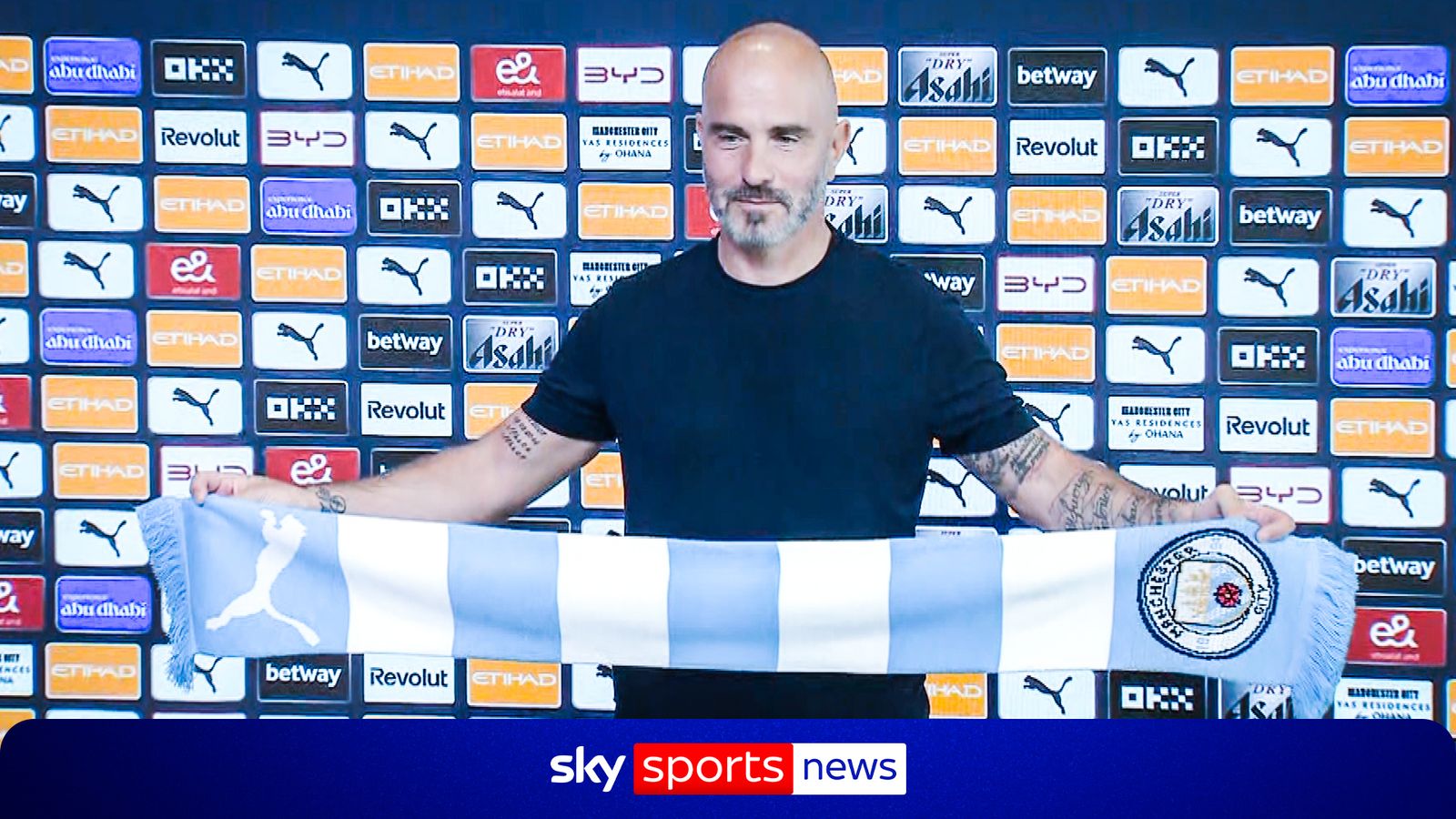
Guardiola has meticulously managed his own shadow by mentoring coaches who eventually replace pieces of his system. The transition involving Enzo Maresca, who left Chelsea in January specifically to prepare for this role at the Etihad, shows his influence on the coaching pipeline. It is a brilliant play for continuity that ensures his methodology survives his exit. This ranks highly because it secures his legacy through human engineering rather than just hardware.
5. The Rodri Anchoring
The transformation of Rodri into the world's most vital defensive midfielder is a masterclass in player development. Guardiola turned a high-potential talent into a rhythmic metronome that never cracks under pressure. This performance is central to how City maintains their high defensive line without sacrificing control. His ability to identify and refine this specific profile is why he keeps winning silver.
6. Jack Grealish Tactical Discipline
Integrating a star who loved to carry the ball into a system that demands constant passing discipline was high-risk. Some critics argued it suppressed Grealish's flair. However, the resulting control allowed City to throttle opponents effectively in the final third. It shows Pep can force even the most instinctual players to abandon individual habits for the sake of the collective.
7. Control Over Chaos
Guardiola forces his teams to prioritize possession over direct attacks, even if it results in tedious sequences. While some find this frustrating to watch, it is the most effective way to eliminate luck from a game. This tactical rigidity is his greatest strength and recurring weakness. It has cost him in knockout stages where a moment of individual brilliance has undone his team's structural discipline.
8. The Bayern Munich Versatility
His tenure in Germany forced him to adapt away from the pure tiki-taka of Spain. He incorporated elements of verticality that made his Bayern side lethal on the break. Although he missed out on the premier European trophy there, the tactical refinement he developed in the Bundesliga was vital for the later evolution of his Manchester City teams. It ranks lower only because of the lack of a Champions League title during that stint.
9. The Tactical Boredom
There is a downside to perfection. Guardiola teams often reach a point of mechanical efficiency that makes them predictable to the neutral viewer. When he has his best eleven on the field, the opposition often gives up before the whistle. This reality check is necessary: sometimes his pursuit of absolute control kills the intensity of the contest.
10. The Pressing Trigger System
His creation of the seven-second rule for regaining possession changed the defensive posture of every team in the Premier League. It is not just about having the ball; it is about how you win it back immediately after losing it. This intensity forced a fitness evolution across the sport. It rounds out the list because it is the bedrock of his physical demands on every squad he manages.
Honorable Mentions
Bernardo Silva’s flexible role as a utility player, the development of John Stones as a hybrid defender, and the early years at Barcelona that set the philosophy in stone. None of these quite reached the level of his primary tactical shifts, but they remain vital components of the Guardiola era.