The Big Picture
Pre-season is usually a hollow exercise in fitness building and marketing tours. Occasionally, these fixtures reveal tactical shifts or emergency personnel crises that define the proceeding competitive year.
The Rankings
10. The Rosenborg Reality Check
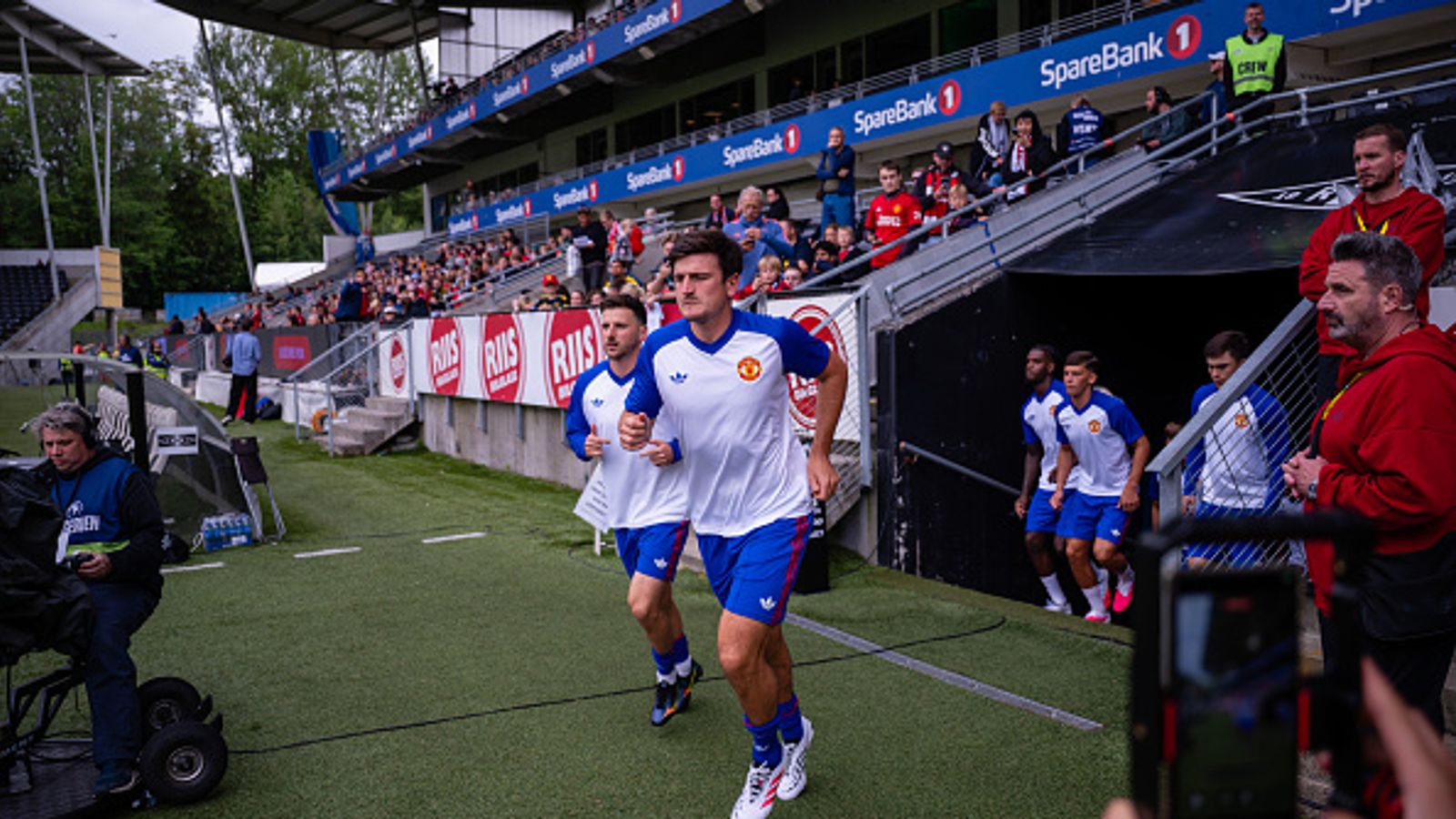
Manchester United’s opening friendly against the Norwegian side served as a sobering reminder of the gap between tactical ambition and execution. Watching Erik ten Hag struggle to break down a cohesive, albeit technically inferior, unit highlighted major gaps in the squad's buildup speed. It earns the final spot because it set the tone for a summer of lingering questions regarding player fitness and recruitment. The reliance on academy prospects in the second half did little to hide the lack of cohesion among the starters.
9. Jude Bellingham's Tactical Reset
Real Madrid’s first appearance of the summer showcased a more disciplined, deeper-lying role for their primary playmaker. Carlo Ancelotti seems intent on sacrificing high-volume goal output to stabilize the center of the pitch. While some fans are clamoring for the freedom he had last season, this adjustment is a pragmatic response to the team's defensive vulnerability during transition moments. It ranks here because it forces a major rethink of Madrid’s statistical ceiling.
8. The Premier League's Growing Pains
Top-tier English clubs are increasingly prioritizing commercial commitments over tactical preparation during their North American tours. Recent travel delays for major clubs demonstrate how logistical fatigue sabotages the preseason rhythm before the campaign even begins. It is an indictment of the modern game where ticket sales outweigh the need for a synchronized training block. This trend remains a point of contention among coaching staffs who prefer controlled environments.
7. Bayer Leverkusen’s Unbeaten Hunger
Xabi Alonso’s side appears unaffected by the pressure of maintaining last season's historical run. Their intensity in early friendlies has been noticeably higher than their counterparts, suggesting a deep-seated culture of consistency. If they maintain this rhythm, they will remain the most difficult team to beat in European competition. They rank this high because their mental resilience during meaningless exhibition matches is anomalous compared to standard league behavior.
6. The Emergence of the Low-Block Counter
Smaller European clubs are finding success against giants by mastering compact defensive structures in July. This trend is no longer just about survival; it is about finding clinical, long-ball outlets against high-pressing backlines. Watch how teams like Rosenborg have forced United into high-risk turnovers throughout the 90 minutes of play. It proves even non-elite sides have optimized their response to aggressive, high-possession styles.
5. Goalkeeper Distribution Evolution
The role of the sweeper-keeper has mutated into that of an auxiliary midfielder in recent weeks. Coaches are now demanding their shot-stoppers move consistently into the defensive midfield line to create passing triangles. This strategy carries extreme risk, often leading to avoidable goals conceded from 40 yards out. It is a necessary addition to the list as it represents the most aggressive tactical trend circulating among top-tier managers.
4. AC Milan’s Rejuvenation
Under new leadership, the Italian side has shown efficiency in both their press and their final-third movement. Their focus on rapid wide-player transitions has been a sharp upgrade from the stagnant patterns seen in the previous calendar year. They find themselves in the top five because they are one of the few clubs actually fixing their primary personnel flaws before the transfer window shuts. The coherence shown in tight spaces is significantly ahead of expectations.
3. The North American Pitch Quality Crisis
Playing high-stakes friendlies on converted artificial surfaces or poor-quality grass remains an embarrassment for the sport. Players are avoiding maximum acceleration to protect themselves, which inevitably impacts the quality and intensity of the match. Seeing stars operate at 70% capacity to prevent long-term injury is a depressing reality of these summer tours. The industry’s insistence on these venues is a liability the sport must eventually address.
2. The Premier League's Regulatory Pressure
As Sky Sports reports on the struggle for dominance, the focus has shifted toward how financial restrictions alter squad depth. Clubs are finding it nearly impossible to rotate effectively without risking breaches of profit and sustainability rules. This fear of overspending is directly impacting the excitement level of the summer transfer market. It is the number two spot because it dictates everything else currently happening in the boardroom.
1. Manchester United’s Squad Depth Crisis
The overarching story of the 2026 preseason remains the fragility of the Manchester United rotation. When the first team is forced to rely on heavy substitutions as early as July, the lack of quality depth becomes unavoidable for external observers. It is the defining moment because it exposes the failure of consecutive transfer strategies to provide insurance for the starters. Without a significant late-window injection of talent, the upcoming season risks turning into a reactive, defensive struggle.
Honorable Mentions
The resurgence of the 4-4-2 diamond in select pre-season lineups and the surprising dominance of youth prospects in the Bundesliga have both provided highlights. These tactical experiments, while currently limited, offer a glimpse into how individual managers intend to surprise their opponents come August.