The Atlas Lions' Trajectory
Moroccan football currently occupies a strange space where elite talent meets organizational frustration. While they remain a premier force in international competition, their recent history is defined by narrow margins and institutional bottlenecks.
1. Achraf Hakimi
Hakimi remains the heartbeat of the squad, operating as the most technically gifted fullback in Africa. His ability to transition from defensive recovery to explosive overlap creates an immediate advantage for any manager. He is the standard-bearer for how modern defensive players must impact the final third.
2. The 2022 World Cup Semi-Final Run
This achievement changed the trajectory of the program by proving an African nation could out-coach European heavyweights. It wasn't just a defensive masterclass; it was a tactical pivot that forced the world to respect their transition game. The run set a high bar that the current squad struggles to meet consistently.
3. The 2025 AFCON Final Controversy
The match against Senegal ended in prolonged chaos that dragged through the Confederation of African Football for months. It serves as a reminder that administrative fragility often undoes what is built on the pitch. The officiating disputes left a permanent scar on the result that many fans still refuse to accept.
4. Defensive Discipline
Morocco often relies on a low block that forces opponents into lateral passing loops. This rigidity serves them well against disorganized teams who lack the precision to pick a final pass. However, when faced with high-tempo attacks like the one seen in the 2-0 loss in the 2026 World Cup, that lack of depth becomes a liability.
5. The 2026 World Cup Quarter-Final Exit
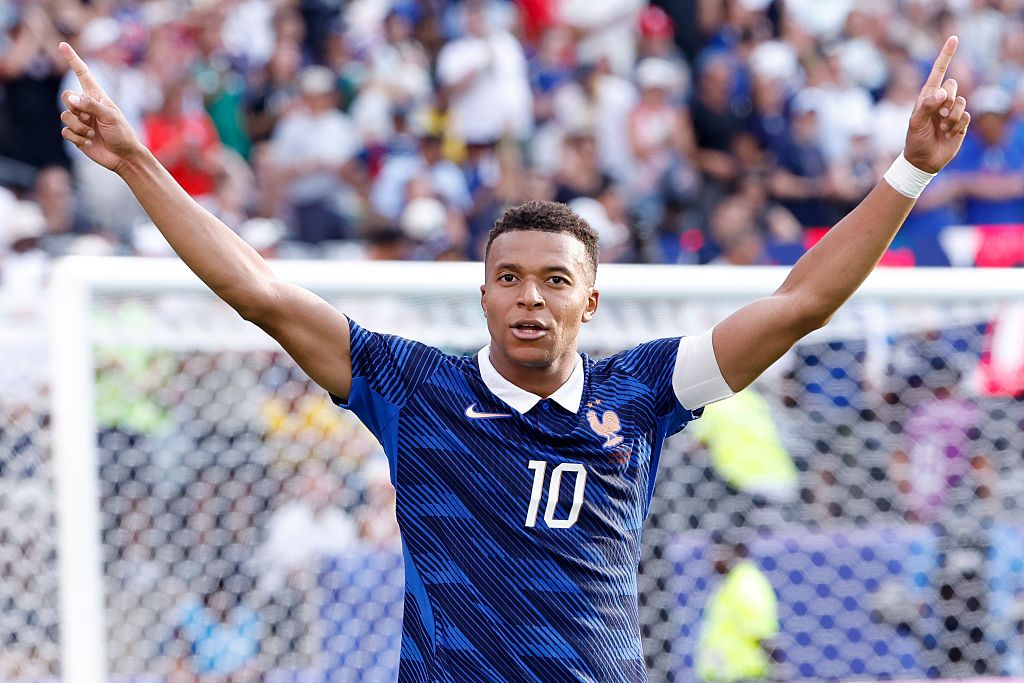
While reaching the last eight is a success for most, the performance against France revealed the structural ceiling of the team. Failing to manage Mbappe during his penalty miss—only to concede shortly thereafter—showed a concentration lapse against elite opposition. It was a sobering reminder that quality often punishes tactical caution.
6. Sofyan Amrabat
Amrabat acts as the team's primary engine, shielding the back four with physical aggression. He reads the game well, though his distribution can be slow when under a high press. He deserves this spot for his reliability regardless of the opponent's quality.
7. The Youth Pipeline
The influx of domestic academy talent is the primary reason the team remains relevant deep in tournaments. Unlike other regional rivals, Morocco has turned scouting into a domestic industry standard. Continued investment here is necessary to avoid falling behind the rising tides of youth development in other confederations.
8. Tactical Adaptability
Most observers praise their consistency, but too often, the manager appears stuck with a single game plan during matches. As seen in recent failures, once the plan is decoded, there is rarely a secondary gear. Stagnation is the greatest threat to their current golden generation.
9. Yassine Bounou
Bounou is a world-class stopper who consistently carries his value from club level to the national side. His ability to organize a defense and manage the clock is vital, though he can be overexposed when the midfield line drifts too deep. Every successful tournament run for this nation has relied on his reflexes.
10. The Fan Base
Moroccan supporters provide an atmosphere that rivals anything in Europe or South America, often turning away games into local festivals. Their energy is the engine that drives the team forward when legs tire in the later stages of knockout football. This passion is the single most consistent element of the national program.
Honorable Mentions
Youssef En-Nesyri remains a lethal threat in the air, though his goal production fluctuates wildly between cycles. Hakim Ziyech continues to be a polarizing figure, blending moments of pure genius with spells of invisibility that frustrate the faithful. Finally, the administrative leadership at the federation level needs significant reforms to ensure the talent pool is not wasted by internal friction.
Read Next
- France vs Morocco: Kylian Mbappe's penalty disaster and the fallout
- England versus Norway is the ultimate World Cup house of cards
- Three minutes of purgatory: Why Mbappe was set up to fail
- The USMNT crash out and lose Pulisic in the most predictable heartbreak ever
- 🇲🇦 Morocco World Cup 2026 — Atlas Lions Hub