The Pulse of the Tournament
The 2026 World Cup format has pushed tournament volatility into overdrive, turning every group stage match into a distinct tactical referendum. As of June 22, 2026, the live broadcast experience has shifted from passive viewing to a relentless data-scraping exercise for fans chasing immediate updates.
The Ranking
1. Spain’s statement win over Saudi Arabia. Dominance remains the baseline for the European champions as they buried four past the Saudi defense in Atlanta. It serves as a reminder that some teams remain locked in an entirely different weight class, effectively closing the goal difference gap before the knockout rounds even begin.
2. New Zealand taking the lead against Egypt. Seeing the All Whites stake a claim against Mo Salah’s side is the kind of narrative disruption the expanded World Cup was designed to generate. When Sky Sports reported the lead, the reality of the Group G upset became a mathematical probability rather than a pipe dream.
3. Helio Varela’s equalizer for Cape Verde. In a tournament built on the hierarchy of historically dominant nations, watching Uruguay struggle against the minnows of Cape Verde in Miami provided the most chaotic spectacle of the week. This draw essentially forces a recalculation of the Group H table, exposing defensive vulnerabilities that Uruguay cannot afford to carry into the bracket stage.
4. The scoreless stalemate in Brussels. Belgium failing to break down Iran was a technical failure of immense proportions. While the possession stats looked respectable, the lack of clinical finishing highlights a persistent fatigue issue that has dogged the Belgian squad for cycles.
5. The broadcast scramble for the New Zealand’s opening whistle. Managing the fragmented broadcast rights for this clash turned into a logistical nightmare for UK fans. The reliance on specific network providers like ITV highlights how antiquated football distribution feels during major tournament windows.
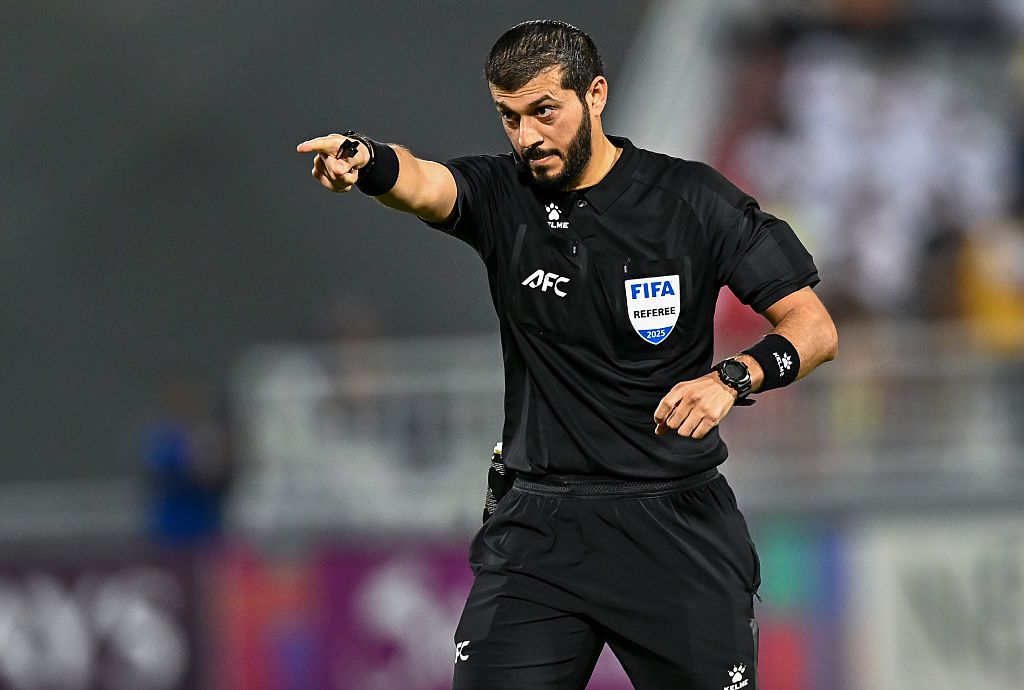
6. The tactical officiating at New Zealand versus Egypt. Selecting a referee for such a wide-open group requires precise institutional knowledge, yet the officiating remains inconsistent at best. Questions regarding the official in charge dominated social discourse long before the lineups were formally announced.
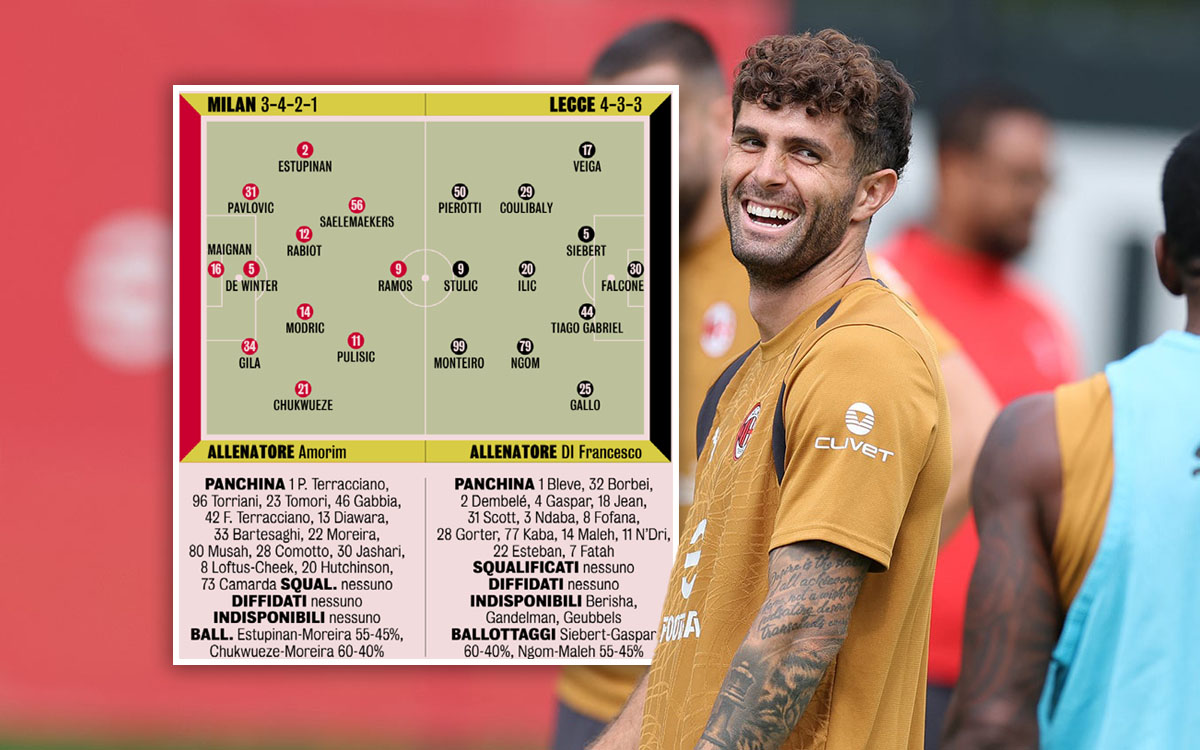
7. The quality control of pre-match punditry. The lineup for the UK broadcast has been hit or miss, with analysis often defaulting to tired tropes rather than analyzing the specific 4-3-3 shifts we are seeing in real-time. It underscores the gap between polished studio talk and the actual flow of play on the pitch.
8. Atlanta Stadium crowd engagement. Despite the blowout score for Spain, the atmosphere in the building stayed high, which is a credit to the local turnout in Georgia. The stadium energy has managed to keep these matches relevant even when the result feels like a formality by the 60th minute.
9. The Group G dependency on final scorelines. New Zealand versus Egypt represents a decisive pivot point for the seeding of the eventual bracket. Every yellow card and substitution carries extra weight because the group math is so incredibly tight this year.
10. Real-time digital documentation. Following the feeds on live blogs is the only way to track the sheer volume of simultaneous play. While the tech is reactive, the speed of score reporting is currently 15 seconds faster than traditional linear cable feeds in many regions.
The Big Picture
The tournament is currently suffering from a lack of defensive consistency among the middle-tier nations, leading to lopsided results like the Spain match. While entertainment value is high, the drop-off in tactical discipline suggests that the expansion in teams has stretched the talent pool thin beyond the primary contenders.
Honorable Mentions
The persistent VAR delays occurring across all group matches, and the growing frustration regarding refereeing transparency in high-stakes Group H fixtures. Both are stalling the momentum of what should be a tighter competition.
.jpg)