The Architect of Modern Football
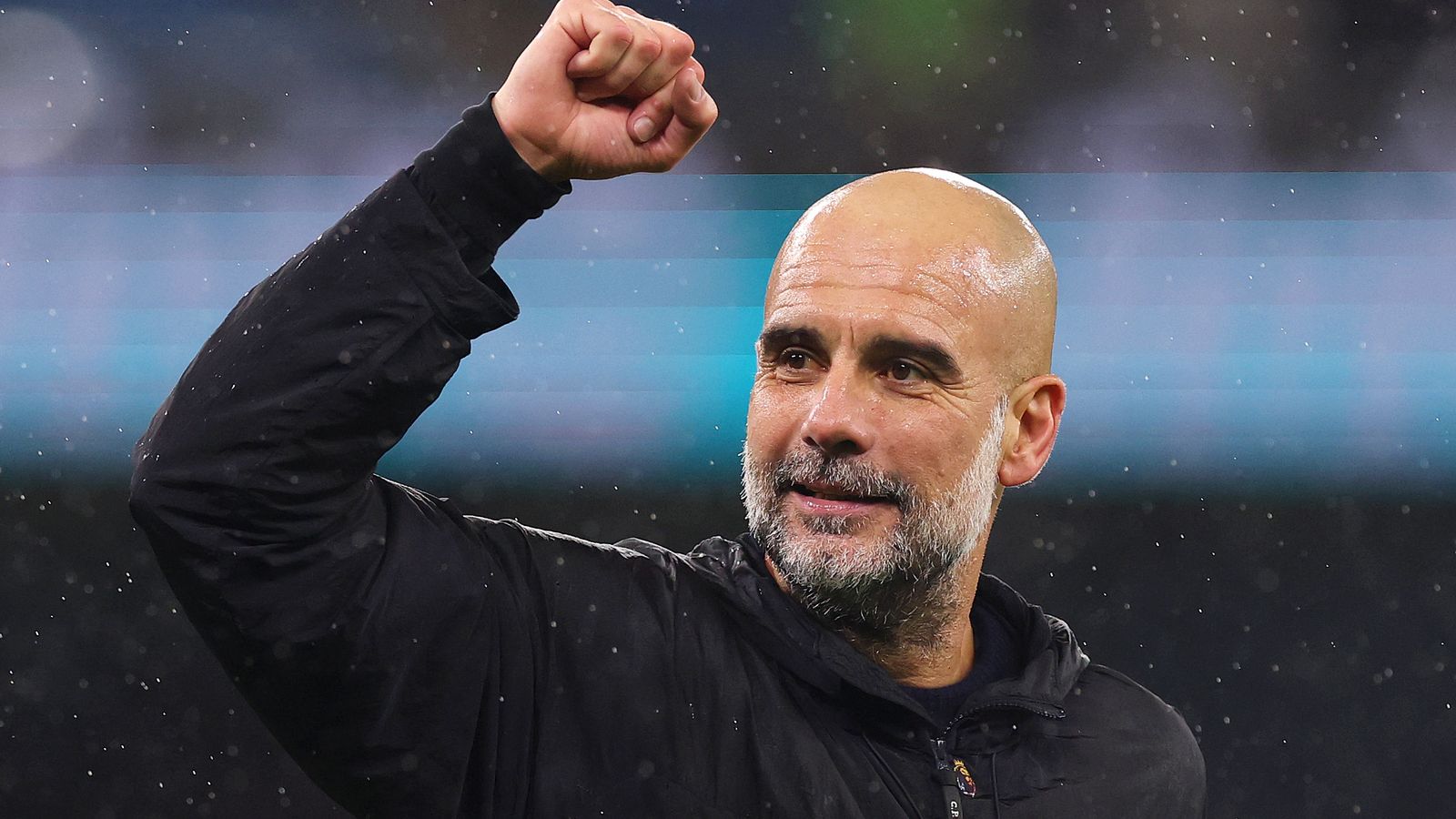
Pep Guardiola has reinvented the tactical identity of elite clubs for over a decade. His tenure at Manchester City redefined English football, though his latest career moves suggest he is ready for a national team challenge.
The Rankings
1. The 2011 Champions League Final dominance. Guardiola’s Barcelona dismantled Manchester United 3-1 with a midfield masterclass that remains the high-water mark for possession-based football. Xavi and Iniesta controlled every square inch, rendering Alex Ferguson’s side helpless.
2. The 100-point Premier League season. Achieving 100 points in 2017-18 was a numerical absurdity that broke the English game. No side has since managed to replicate that level of relentless consistency over 38 matches.
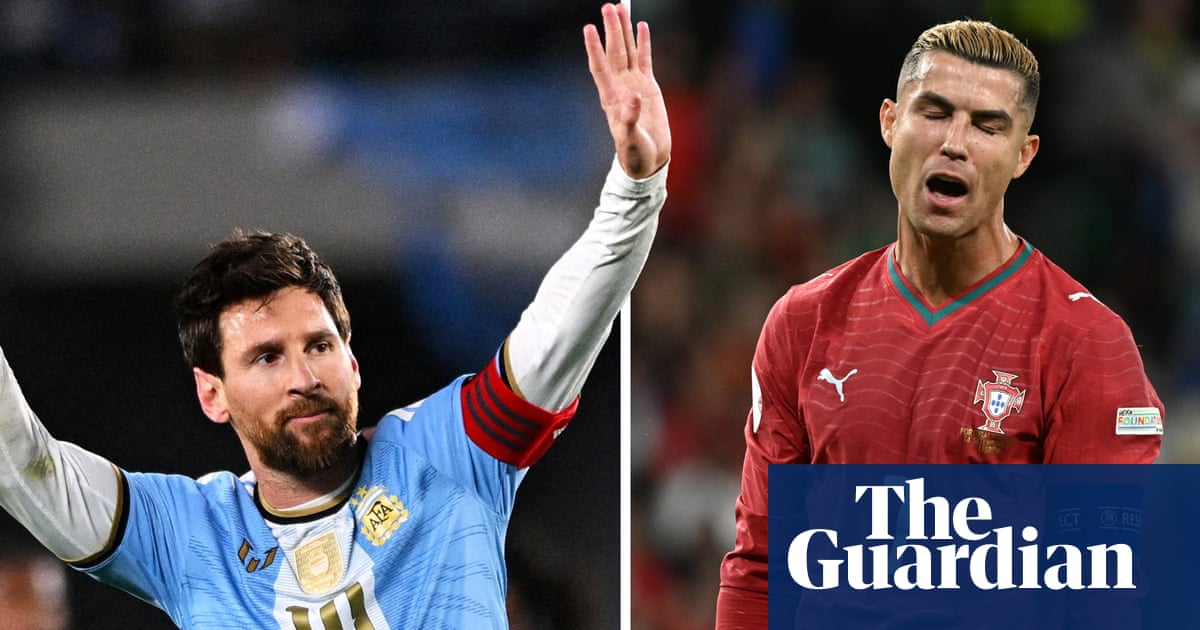
3. The False Nine revolution. Implementing Lionel Messi as a central creative force transformed Barcelona into an unstoppable attacking engine. It killed the traditional target man archetype in elite circles for nearly half a decade.
4. The inverted full-back innovation. Moving Fabian Delph and Oleksandr Zinchenko into central midfield positions allowed Manchester City to maintain superior ball security. This move forced every other major European manager to rethink defensive transitions.
5. The treble completion. Securing the 2022-23 treble validated his project at Manchester City under intense scrutiny. Winning the Champions League, Premier League, and FA Cup in one season silenced those who doubted his European credentials at the Etihad.
6. The England national team agreement. As reported by The Daily Mail, he previously agreed to manage the Three Lions in 2024. This signaled an intent to transition toward international football despite the immense pressure of the role.
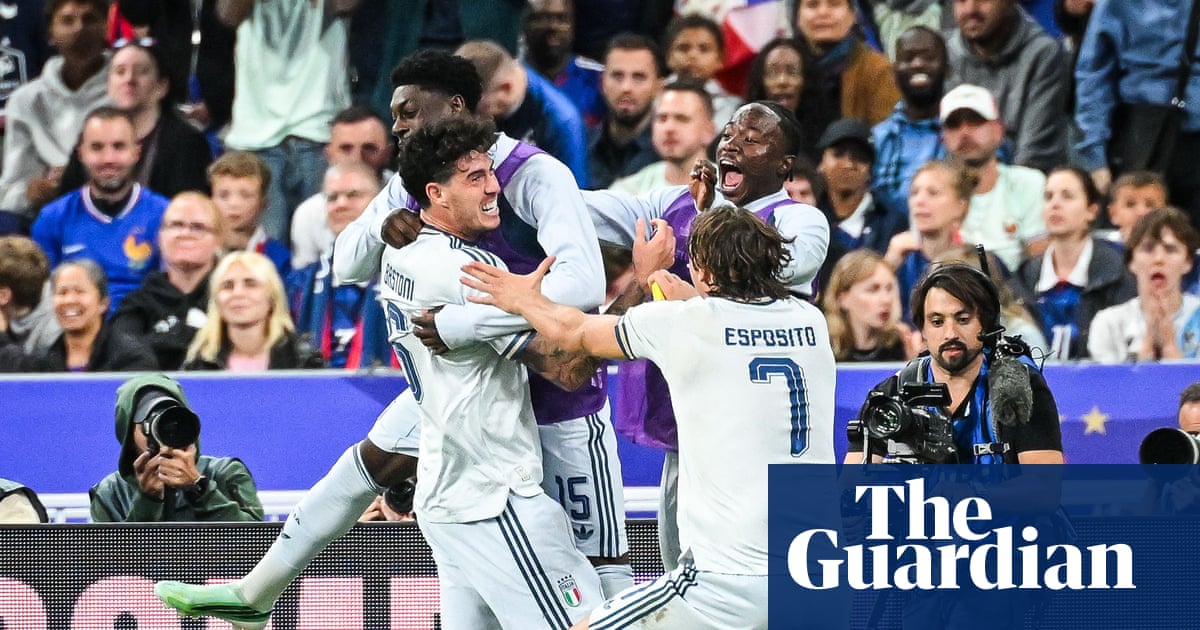
7. The Italy approach. Paolo Maldini reportedly traveled to Barcelona recently to recruit Guardiola for the 2028 European Championships cycle. Per Sky Sports, these discussions highlight his status as the most coveted manager in world football.
8. The Bayern Munich domestic dominance. While he failed to win the Champions League in Germany, his 82 percent win rate in the Bundesliga was staggering. He left behind a structural foundation that Hansi Flick later utilized to win another treble.
9. The development of Kevin De Bruyne. Guardiola transformed De Bruyne from a winger into the best creative midfielder of his generation. The precision of their wide-to-center transition play became the hallmark of City's attack for years.
10. The over-thinking criticism. Guardiola’s penchant for changing tactics during high-stakes Champions League knockout rounds has cost him trophies. Inconsistency in big-game lineups has historically been his most glaring flaw as a manager.
The Big Picture
Guardiola is moving from the daily grind of club football to the high-stakes world of international management. Whether he takes the Italy job or remains on the sidelines, his influence on how the sport is played is permanent.
Honorable Mentions
His early success at Barcelona B, the signing of Erling Haaland, and his ability to integrate youth products into high-spending squads all deserve recognition. None quite reach the impact of his tactical shifts, but they highlight his versatility.