Tactical Evolution and the Guardiola Legacy
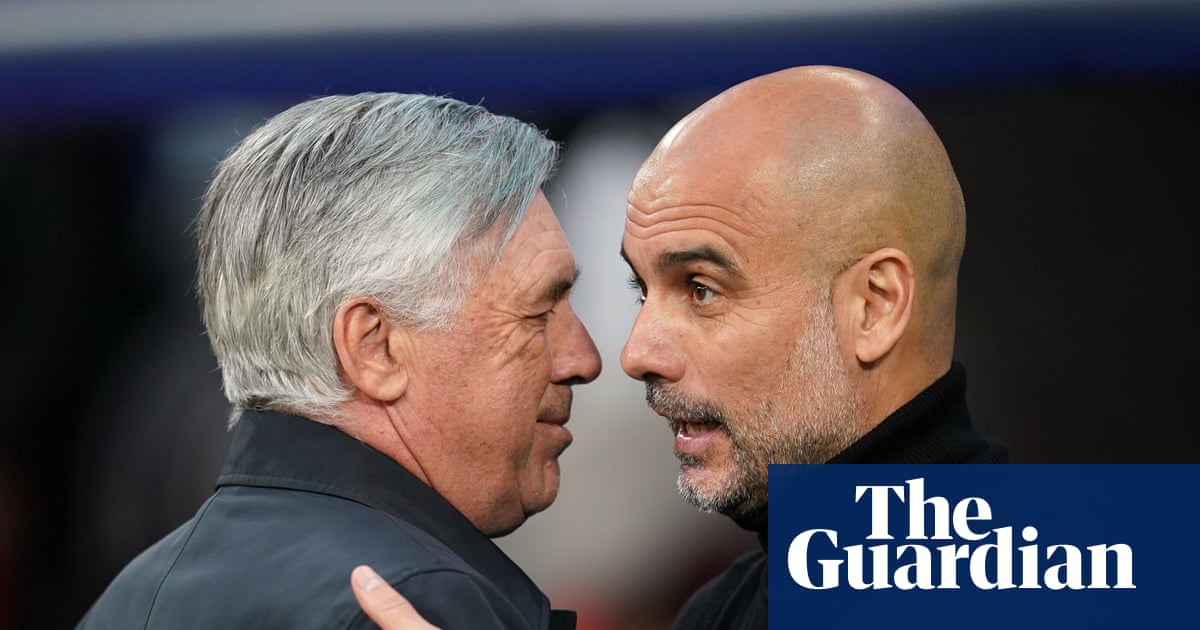
Pep Guardiola remains the most polarizing yet influential manager of his generation. His rejection of the Italy job, reportedly tied to a 17 million pound annual salary demand, cements his status as a man who moves only on his terms.
As The Guardian reported today, the Azzurri are currently in a state of absolute chaos after failing to qualify for their third consecutive World Cup. Guardiola is the primary target for Paolo Maldini, but the federation struggles to meet his financial expectations.
1. The 2009 Barcelona Treble
Guardiola perfected the high-press system that defines modern football. Winning the sextuple in his debut season remains the high-water mark of tactical dominance in European history. He squeezed the space so effectively that opponents barely touched the ball for 90 minutes. It ranks first because it established the blueprint every elite club currently tries to mimic.
2. The Manchester City Invincibility
Guardiola took a squad with holes and turned them into a 100-point machine. His ability to integrate complex, inverted full-back roles turned the Premier League into a one-horse race for years. Critics argue he had unlimited funding, yet the sheer consistency of the results stands unmatched in domestic competition.
3. The 2011 Champions League Masterclass
The final against Manchester United at Wembley was a tactical annihilation. Messi played as a false nine, dragging center-backs out of position and creating holes for Pedro and Villa. This performance effectively closed the book on the Sir Alex Ferguson era at United.
4. Developing Kevin De Bruyne
Before Pep, De Bruyne was a talented playmaker with erratic decision-making. Guardiola transformed him into the most surgical passer in world history. He demanded defensive work-rate from a player who previously looked to score at all costs. This move allowed the City system to function without losing creative flair.
5. The Bayern Munich Tactical Shift
Taking over a treble-winning team is a poisoned chalice, but Guardiola refused to rest on his laurels. He implemented a more fluid possession structure that utilized Philipp Lahm in midfield. It remains his most underrated period, despite the lack of a Champions League trophy in Germany.
6. The False Nine Innovation
Guardiola popularized the false nine role to an extent never seen before. By dropping a striker into midfield, he overloaded central zones, forcing defenders into impossible choices. It changed how youth development programs teach attacking football globally. It is the most persistent tactical change in the last two decades.
7. Defensive Versatility
Guardiola often played center-backs like Nathan Ake or Manuel Akanji as full-backs to secure defensive transitions. He prioritizes control over chaotic wing-play, which occasionally frustrates fans who want to see traditional overlapping crosses. His refusal to play pure wingers shows a stubbornness that is both a strength and a weakness.
8. Managing Ego
His handling of high-profile players like Zlatan Ibrahimovic proves he has zero tolerance for defiance that disrupts the collective. While some call it arrogant, it creates a disciplined environment. He effectively manages the pressure of billion-pound squads with clinical detachment.
9. The Tactical Adaptation Crisis
Even Guardiola struggles. His failure to win the Champions League with Bayern Munich or Manchester City for large stretches of his tenure showcased a tendency to overthink critical knockout matches. He frequently changed lineups for quarterfinals, leading to questionable tactical decisions under pressure.
10. The Italy Stand-Off
His current negotiations with Italy highlight his leverage over the sport. According to recent reports, he is pricing himself out of a national team rescue mission. It sits at ten because it characterizes his current late-career phase where financial security carries as much weight as sporting legacy.
Honorable Mentions
His reliance on specific types of midfielders has occasionally left him scrambling when key players are fatigued. Furthermore, the persistent defensive gaps during tactical transitions mean that even his best sides are vulnerable to clinical counter-attacking teams. As BBC Sport noted, Italy looked at Ancelotti long before making their pitch to him, showing the federations desperation.
Read Next