Setting the Stage
The 2026 World Cup cycle has defined the current generation of international football. These moments moved the needle, shifting power dynamics and cementing legacies.
10. Brazil's Tactical Overhaul
After a stagnant 2024, Brazil shifted to a high-press system that prioritized pure technical output over defensive rigidity. The transition exposed them to counter-attacks frequently, and their defensive fragility remains a glaring issue. However, the sheer offensive output in qualifiers kept them relevant when they otherwise would have crashed out. It ranks last because the defensive blunders often nullified the front-line progress.
9. The Harry Kane Efficiency Benchmark
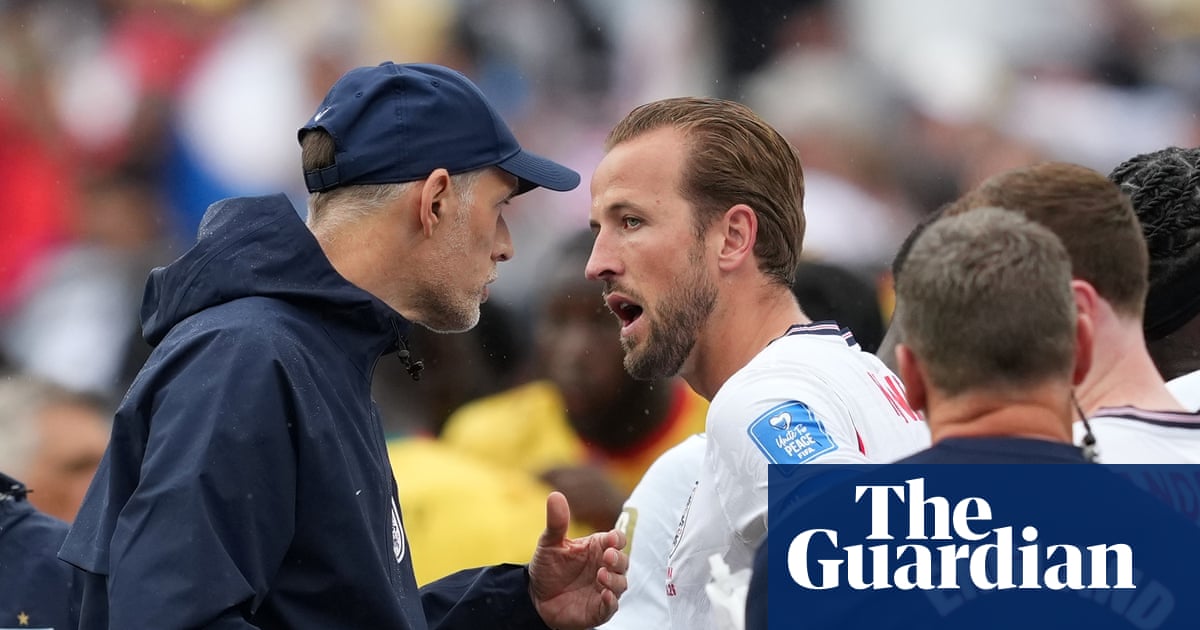
Harry Kane remains an outlier in international efficiency, currently eyeing another Golden Boot run against Panama. His 2018 hat-trick in the 6-1 victory remains the gold standard for clinical finishing in the group stages. As The Guardian reported, his focus on repeating that dominance is the primary engine behind England's current confidence. It earns a spot for consistency that few active strikers possess.
8. Thomas Tuchel's Tactical Arrival
The appointment of Tuchel provided England with the structure they lacked under rigid previous regimes. His ability to juggle personnel choices is well-documented, though he faces intense scrutiny regarding his rotation policy. This shift in management style marks a pivot point for a squad that was previously reliant on individual brilliance rather than cohesive movement. Critics note that his system occasionally stifles creativity in favor of ball retention.
7. The Unexpected Rise of the Host Nations
North American federation improvements during this cycle redefined expectations for teams previously considered minnows. Heavy investment in youth academies finally yielded results, leading to multiple upsets in high-profile qualifiers. The momentum built during this period shifted the competitive balance. It ranks higher than Brazil's tactical pivot because the impact on the global market was seismic.
6. The Mid-Cycle Coaching Carousel
Turnover in the technical areas among top-tier nations reached record highs in 2025. Managers were stripped of their roles after single poor tournament performances, showing zero patience from football associations. While this volatility provided excitement, it also highlighted a massive flaw in short-term planning. Constant changes prevented squads from settling into a defined identity.
5. The Golden Boot Race
The race remains a defining feature of every international cycle, with stars like Kane constantly hunting for the individual honor. It emphasizes how individual statistics drive narrative arcs more than team achievements in many media circles. The constant focus on personal tallies occasionally distracts from collective failures on the pitch. This moment defines the modern obsession with vanity metrics in sport.
4. Defensive Refinements in South America
South American teams moved toward heavy physical play, emphasizing aerial dominance and tactical fouls to break up rhythm. This shift forced European teams out of their comfort zones during international breaks. Watching high-technical players struggle against persistent low-block formations was a necessary reality check. It ranks fourth because it significantly altered how the rest of the world prepares for CONMEBOL opponents.
3. The Youth Integration Movement
Across Europe and South America, the integration of teenagers into starting lineups became the norm rather than the exception by early 2026. Coaches stopped waiting for experience and started banking on raw pace and agility. The result was faster football and more frequent defensive errors. This was risky, but it undeniably modernized the pace of international play.
2. The Qualification Format Reshuffle
The expansion and reorganization of qualifying windows put unprecedented stress on traveling squads. Players were forced to fly across continents between midweek matches, leading to increased fatigue and a higher rate of muscular injury. While the revenue increased for governing bodies, the quality of play in the final 20 minutes of these matches often plummeted. It ranks second because the logistical fatigue changed the outcome of these qualification campaigns.
1. The 2018 Memory Anchor
Everything in the current cycle is measured against the historical markers set in 2018. When Kane scores against lower-ranked opponents today, the inevitable comparison back to his 2018 hat-trick remains the bar for greatness. It dictates the hype cycles and the betting markets alike. This fixation proves that international football is as much about sustaining past myths as it is about creating new ones.
Honorable Mentions
The unexpected tactical failures of the Netherlands in late 2025 and the sudden tactical emergence of several African nations during the most recent international break both deserve recognition. Neither cracked the top ten due to inconsistency, but both represent ongoing fluctuations in global quality that will define the upcoming tournament.