The Era of Uncertainty
The 2026 World Cup cycle arrived with massive expectations, immediately upending traditional hierarchies and changing how nations approach tournament preparation. These ten moments represent the pivot points where managers panicked, stars faltered, and the status quo finally broke.
10. Brazil's Tactical Overhaul
After a stagnant 2024 campaign, the Brazilian Federation pivoted toward a high-press system that demands constant verticality. This departure from defensive stability toward pure technical output frequently left them exposed during fast transitions, notably in their chaotic draw with Colombia. The result is a team that creates high-quality chances but lacks the discipline to close out 1-0 games against organized blocks.
9. Germany’s Midfield Experiment
Julian Nagelsmann opted for a inverted fullback rotation during the 2025 Nations League that baffled critics and opponents alike. While it bolstered possession stats, it left the center-back pairing isolated against counter-attacking sides. The tactical vanity was a liability that nearly cost them an automatic qualifying spot, forcing a late-cycle simplification of duties.
8. The Rise of the African Bloc
Ghana’s tactical evolution has forced major European powers to treat them as genuine knockout-round threats rather than group-stage snacks. In their stagnant 0-0 draw with England, they effectively nullified elite creative midfielders through a compact mid-block. This performance signaled a shift in World Cup preparation where defensive discipline often overrides individual talent.
7. England’s Medical Crisis
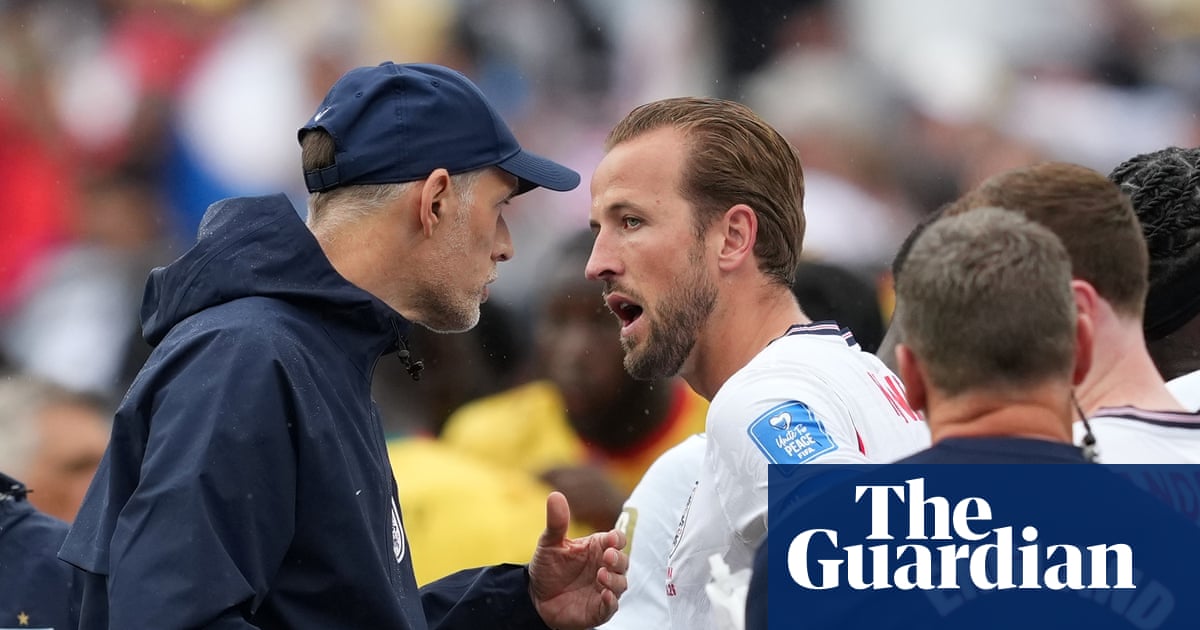
Thomas Tuchel currently faces a mounting injury list that has crippled his tactical consistency heading into the group stage finale. With key creative outlets struggling with fitness, the squad has morphed from a high-scoring machine into a labored unit that relies on individual brilliance. It is a fragile setup, and one that feels vulnerable to any side with pace on the wings.
6. France’s Kylian Mbappe Pivot
Didier Deschamps stopped forcing Mbappe into a traditional winger role and finally unlocked his full potential as a roving secondary striker. The change allowed France to dominate the 2025 qualifiers, relying on his clinical edge to mask a declining midfield engine. It was both a stroke of genius and a sign of their dependence on a singular athlete.
5. The Panama Regression
Panama entered this cycle hoping to replicate their grit, but their tactical discipline evaporated during the qualifying rounds. Failing to learn from the 2018 tournament, where they conceded 6-1 against Kane’s England, they failed to tighten up their defensive structure. As The Guardian reported, the looming rematch casts a shadow over their defensive preparations.
4. Argentina’s Squad Purge
Scaloni’s decision to ruthlessly cut veterans following the 2024 Copa America was a brutal but necessary move. Replacing aging stars with younger, faster legs has revitalized their pressing numbers in the final third. It was a cold move that prioritized the 2026 cycle over sentiment, though it alienated several locker room leaders.
3. The North American Attendance Boom
Moving the tournament across Canada, Mexico, and the United States has shattered all previous gate receipts. The logistics have been a nightmare for traveling supporters, but the revenue boost has provided the sport with an unprecedented infusion of capital. This commercial success essentially mandates that FIFA keeps similar multi-nation models for the next two decades.
2. The Golden Boot Race
Harry Kane’s pursuit of another Golden Boot has defined the opening weeks of the tournament, dragging the England attack behind him. His 3-goal performance against Panama in 2018 remains the standard he is desperately trying to reach again. Watching a veteran striker maintain this level of poaching efficiency is a masterclass in conditioning and spatial awareness.
1. The Officiating Directive Change
FIFA’s directive to reduce VAR intervention time effectively turned the 2026 tournament into a faster, more volatile event. Referees are now making calls in real-time, often leading to visceral, high-stakes mistakes that define match results. It has restored the human tension of the sport while simultaneously infuriating every manager on the touchline.
The Big Picture
This cycle proved that data-driven tactics and physical conditioning are colliding with the chaotic reality of tournament football. The teams that managed to balance these forces are the ones clearing the path for a deep run in the later knockout stages.
Honorable Mentions
- Belgium’s transition to a back-three setup that proved disastrous in qualifiers.
- The unexpected surge in popularity for VAR-free friendly exhibition matches.
- The shocking late-cycle retirement of three high-profile defensive anchors.