
The Qatar/USA/Mexico Momentum
The 2026 World Cup has proven that expanded brackets produce chaos. While the format drew initial skepticism, the quality of play has surpassed the bloated expansion fears.
10. The Austria defensive collapse
Austria entered the tournament as a dark horse pick, yet their defensive line dissolved against Argentina in the group stage. They conceded three goals in under 15 minutes, failing to account for secondary runs. This tactical naivety cost them a knockout spot. It is a cautionary tale for smaller nations attempting to play high-line press against technically superior sides.
9. Canada’s opening ceremony victory
Vancouver hosted an electric kickoff that effectively silenced critics of the three-nation host model. The energy in the stadium during the opening match provided a necessary baseline for the tournament. Seeing legitimate home support for a rising North American side changed the atmosphere immediately. The logistical execution was flawless, setting a standard for the remaining host cities.
8. The VAR transparency trial
FIFA finally implemented real-time audio broadcasting for referee decisions this summer. While it hasn't stopped angry fans from shouting at screens, it has reduced the time wasted on subjective officiating checks. It remains a rough transition, specifically regarding how close-call offsides are relayed to the stadium. Watching referees explain the rationale in real-time is a massive upgrade for the audience experience.
7. Japan’s disciplined transition play
Japan mastered the art of the counter-attack in their narrow victory over France. Their ability to switch from a defensive block to a four-man attack in under five seconds is unmatched. France looked confused, lacking the pace to recover once Japan bypassed their holding midfielders. The precision of their final ball made it the most tactically sound performance of the group phase.
6. The humidity factor in Florida
Matches in Miami and Orlando have become endurance tests for European squads unaccustomed to regional heat. Players are seeing significant physical decline after the 65th minute. Coaching staffs who refused to burn early substitutions have paid for it in injury time. This environmental variable has leveled the playing field against teams that rely on stale possession.
5. Italy’s resurgence in the midfield
After missing previous cycles, Italy arrived in North America with a fresh engine. Their center-midfield trio controls 60 percent of possession against heavy hitters. They don't have the flashiest strikers, but their ball security prevents opponents from ever building momentum. This is textbook tournament management, relying on control rather than individual brilliance.
4. The surge of South American travel
Fans from Argentina, Brazil, and Colombia have effectively colonized the host cities. The noise inside the stadiums feels closer to Buenos Aires than Seattle. This migration has turned group stage games into de facto home games for CONMEBOL squads. It creates a hostile environment that clearly rattled European favorites in the first two weeks.
3. Haaland’s three-hat trick tournament
Erling Haaland is scoring at a pace that suggests the goal record for a single tournament is under threat. He is currently sitting at 9 goals in just four appearances. While he dominates lower-tier opponents, his poaching efficiency inside the six-yard box is clinical. Opponents are triple-marking him, yet he still finds space on corners and transitions.
2. Argentina’s tactical evolution
Lionel Scaloni has shifted the team from a possession-heavy unit to a vertical threat. By ignoring the need to hold the ball in the middle third, they are creating breakaways at will. This style favors their younger wingers who can exploit tired defenses in the closing stages. It shows a flexibility that most championship-winning squads simply lack.
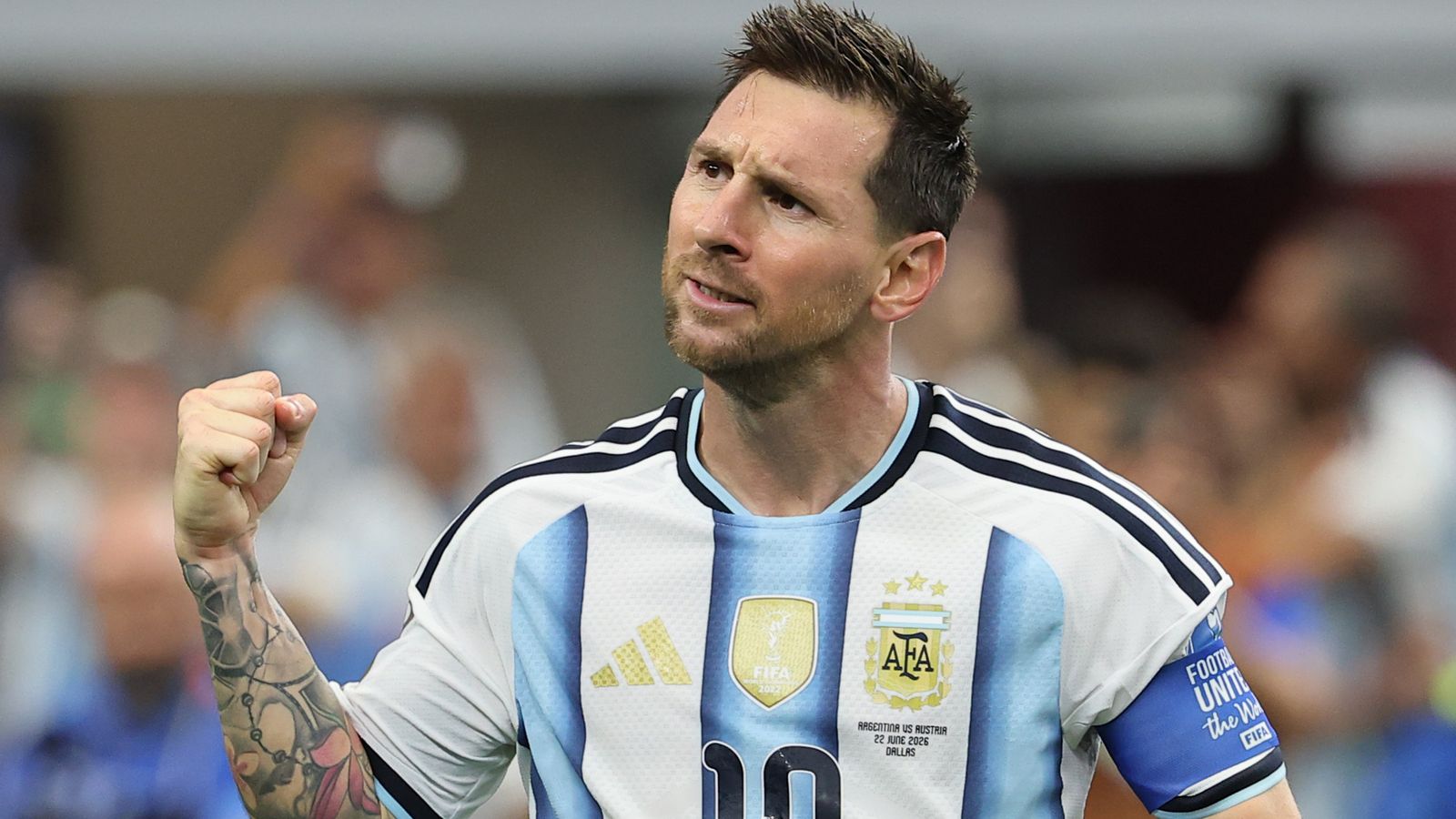
1. Messi’s record-breaking masterclass
Lionel Messi solidified his standing in football history by breaking the all-time World Cup scoring record against Austria. Positioned as a false nine, he drifted into pockets of space that the Austrian defense couldn't track. He netted his 17th goal to clear Miroslav Klose’s previous tally with a calm finish into the bottom left corner. It was a career-defining moment that effectively ends the debate regarding his output on the biggest stage. Nobody can argue with the cold reality of those statistics.
Honorable Mentions
The unexpected penalty shootout between Morocco and Belgium stands out as the most intense 120 minutes of the bracket. Additionally, the emergence of Ghana’s wing-backs has provided the best highlights of the group stages. Despite these successes, the lack of quality in the second half of bottom-tier matches remains a glaring flaw in the scheduling. Not every game has earned its broadcast slot.