The Defining Moments of 2026
The 2026 World Cup has forced a reckoning for legacy powers and rewarded high-risk tactical setups. These ten moments captured the volatility of a tournament expanded beyond traditional conventions.
1. Ismael Kone's Injury Against France
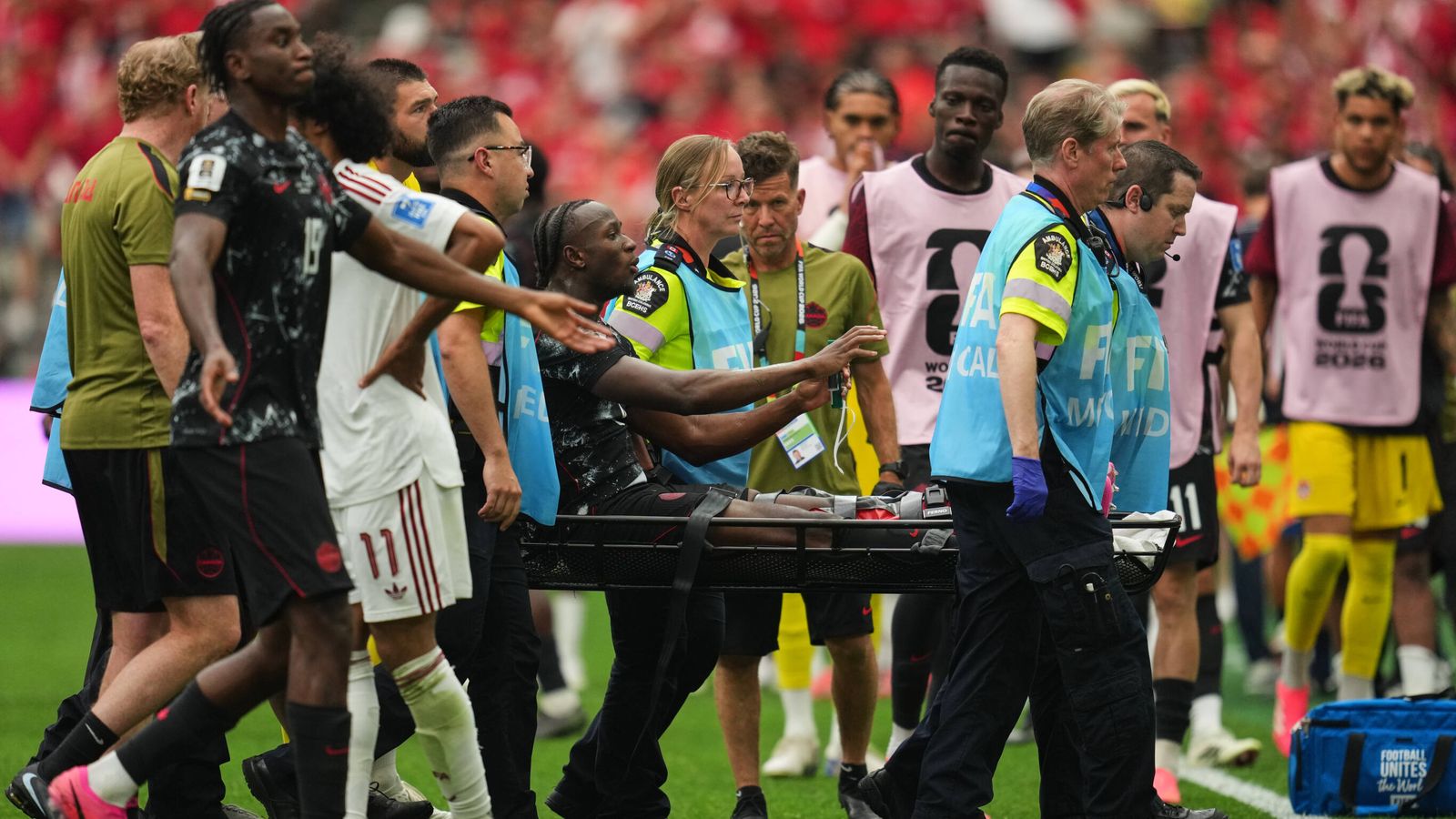
The tournament trajectory shifted on June 18 when Canada midfielder Ismael Kone suffered a broken leg during the group stage match against France. As Sky Sports has reported, the medical outcome confirmed a catastrophic blow for the host nation. Losing a primary engine room operator mid-tournament is a brutal reality check for Canada's midfield depth.
2. USA's Tactical Pivot in the Opener
Gregg Berhalter moved from his usual 4-3-3 to a fluid 3-4-2-1 formation against South Korea. The switch neutralized their opponent's wing-play and allowed the fullbacks to overlap comfortably. It was a risky gamble that paid off by controlling the central corridor. This tactical fluidity effectively saved a performance that looked lethargic for the first 30 minutes.
3. The VAR Disruption in England vs Brazil
Refereeing inconsistency reached boiling point when a goal was disallowed for a fractional offside in the 84th minute. The review took six minutes, draining all rhythm from a classic matchup. While technically correct according to the letter of the law, the game's momentum was destroyed. Fans at the stadium spent more time checking screens than watching the buildup.
4. Modric's Final Act
Luka Modric orchestrated a perfect counter-attack against Germany that saw him bypass three defenders with a single pass. At his age, witnessing such spatial awareness is a masterclass. He remains the most clinical passer in modern international football. His vision effectively decided the game before the defensive transition even started.
5. The Saudi Arabia Upset
The shock result of the qualifiers saw a disciplined defensive block hold off a relentless Argentinian assault. Saudi Arabia finished with 18 percent possession yet managed to convert their only two shots on target. It proved that sheer grit can occasionally derail the most expensive rosters. Critics argued the favorite was complacent, but the organization shown by the underdogs was undeniable.
6. Japan's High-Press Perfection
Japan dismantled a stagnant Spanish midfield by maintaining a relentless press for ninety minutes. They forced seven turnovers in the defensive third, punishing every heavy touch from the Spanish backline. It was a clinic in stamina and transition speed. Most teams fear Spain's possession, but Japan simply refused to let them exist in the center of the pitch.
7. Nigeria's Breakthrough
Osimhen displayed elite finishing against a rigid Italian backline that had kept five clean sheets leading into the fixture. The striker leveraged his physical frame to create space, scoring the winner in the 92nd minute. His individual talent masked the structural weaknesses of his team's defense, which looked shaky throughout. It was a display of pure elite talent carrying a squad.
8. The Dutch Penalty Shootout Strategy
Netherlands experimented with a designated penalty specialist subbed on in the 120th minute. This unorthodox decision is a massive booking risk but highlights the analytical obsession now coloring high-stakes matches. The keeper saved two penalties to secure progression. While efficient, purists remain divided on whether this manipulates the sport's spirit.
9. Uruguay's Defensive Collapse
Often known for their steel, Uruguay capitulated against France, conceding four goals in a second-half defensive lapse. The team lacked a cohesive shape, leaving massive gaps between the center-backs. It was a total failure of discipline that exposed an aging squad to pace. This match proved that relying on reputation in tournament football is an invitation for disaster.
10. The Crowd Intensity in Mexico City
The atmosphere at Estadio Azteca during the opening ceremony and subsequent fixtures hit decibel levels rarely seen in European arenas. The sheer volume created a psychological advantage for the home team, often causing opponents to rush their decision-making. Football is a game of fine margins, and the home crowd noise consistently pushed the hosts into higher gears. It served as a reminder that the venue environment remains a tangible performance factor.