The Defining Turnstones of 2026
The 2026 football season provided a blend of tactical innovation and brutal reality checks. From high-stakes tournament exits to landmark contract renewals, these moments shifted the hierarchy of global football.
The Rankings
10. Jarrod Bowen stay at West Ham. While some fans expected an immediate exit to a Champions League side following relegation, Bowen choosing to lead the promotion push is a rarity in modern football. It provides the Hammers a specific focal point for their Championship rebuild.
9. Ederson commits to Atalanta. Manchester United scouts tracked the Brazilian pivot for months but walked away empty-handed when he signed an extension in Bergamo. It is a win for Serie A retention over the gravitational pull of the Premier League's financial elite.
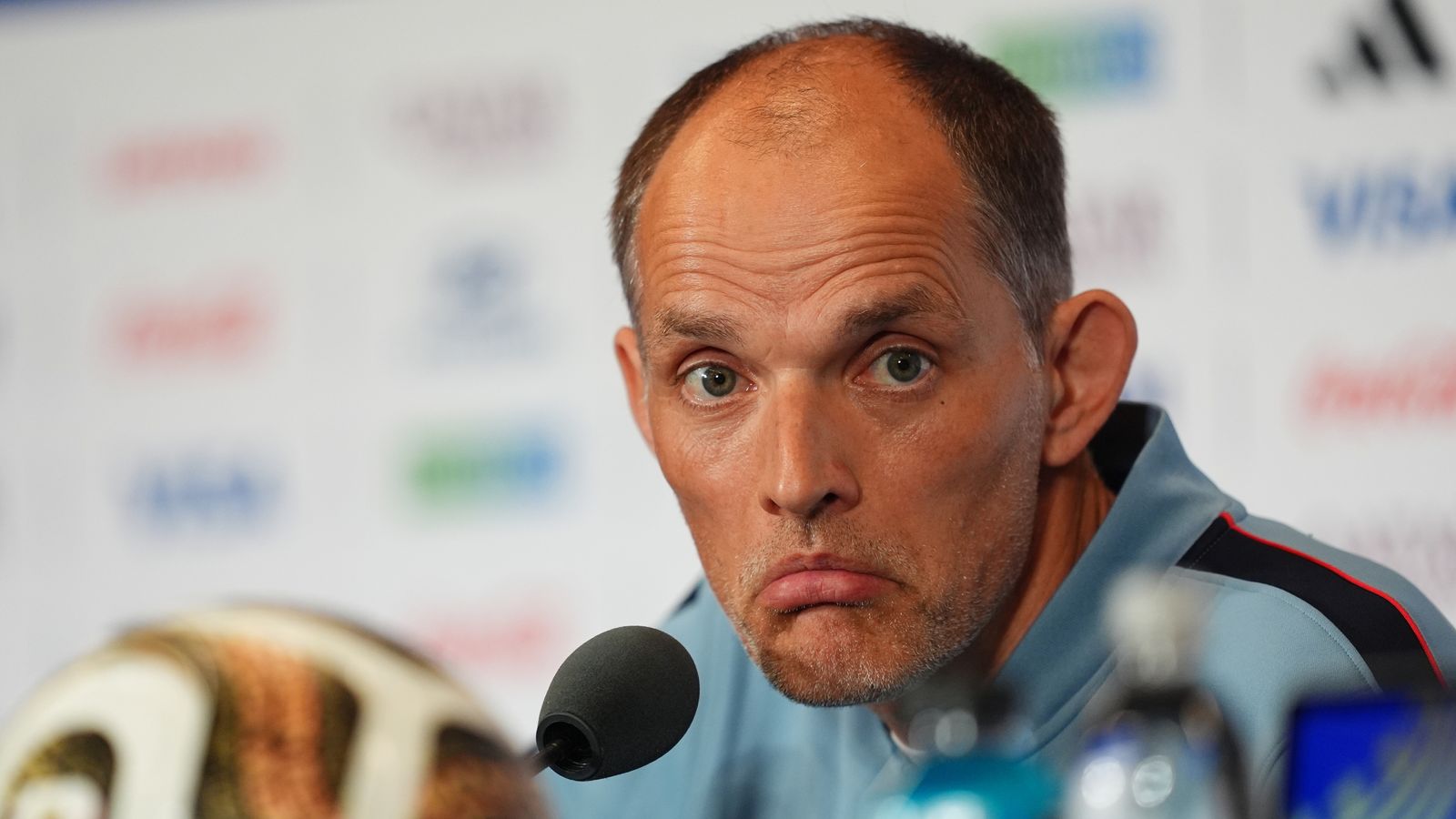
8. Thomas Tuchel admission after Argentina defeat. In a candid post-match presser, Tuchel took full responsibility for the tactical collapse despite claiming no regrets. It highlighted the friction between his rigid system and the squad's disjointed reality during the international break.
7. The Champions League final tactical shift. The winning manager opted for an asymmetric back-three that completely neutralized the opponent's transition game by the 30th minute. It showcased how high-level coaching can dismantle even the most expensive attacking squads.
6. The late window turmoil at Chelsea. Despite persistent rumors, the club failed to land a marquee striker before the deadline, forcing a reliance on academy products for the start of the campaign. The lack of proactive movement suggests internal scouting disagreements.
5. Real Madrid defensive injury crisis. Losing their primary center-back pairing to meniscus tears in early spring forced a radical positional shift for their veteran midfielders. It nearly cost them the domestic title before they stabilized the backline through sheer possession dominance.
4. The FA Cup final shocker. The lower-ranked finalist sat in a low block for 85 minutes before clinching a smash-and-grab winner on the break. It was a failure of focus for the favorites who dominated 70 percent of the ball without testing the keeper.
3. Bayer Leverkusen late season collapse. Leading the league by six points with four games remaining, they dropped eight points through defensive lapses and unforced individual errors. Leverkusen fans rightly point to the fatigue of a thin starting eleven as the culprit.
2. The resurgence of traditional wing play. Tactical trends drifted toward inverted forwards for three years, but managers pivoted back to touchline-hugging wide players in 2026. This stretched compact low blocks and forced defenders to tackle in space rather than crowding the interior.
1. The VAR protocol overhaul. International federations implemented a timer on playback decisions, finally curbing the minutes-long delays that plagued previous seasons. While controversial, the expedited process proved that human officiating can still move at the game's intrinsic speed.
The Big Picture
These moments define a year where individual loyalty clashed with systemic tactical rigidity. While some clubs prioritized long-term stability, others saw their seasons dissolve due to poor planning and injury misfortune.
Honorable Mentions
The unexpected tactical switch for the national team during the qualifiers serves as a minor but vital note for squad cohesion. Additionally, the mid-season firing of the league’s longest-tenured coach proved that even institutional history cannot save a project failing to produce 1.5 points per match.