The High-Stakes Shift in Football Governance
The sport is currently defined as much by what happens in boardrooms as on the pitch. With FIFA leadership under fire regarding commercial control, the power dynamics of international football are shifting rapidly.
The Ranking: Moments That Changed the Game
10. The VAR Implementation Crisis
Video Assistant Referee technology arrived to solve human error but instead created a new bureaucratic nightmare. Its debut in major leagues led to endless debates over micro-offsides and frame-by-frame analysis. While intended to assist, the system frequently stalls momentum in crucial matches. Fans remain polarized by the lack of transparency in decision-making processes.
9. The Infantino Executive Summoning
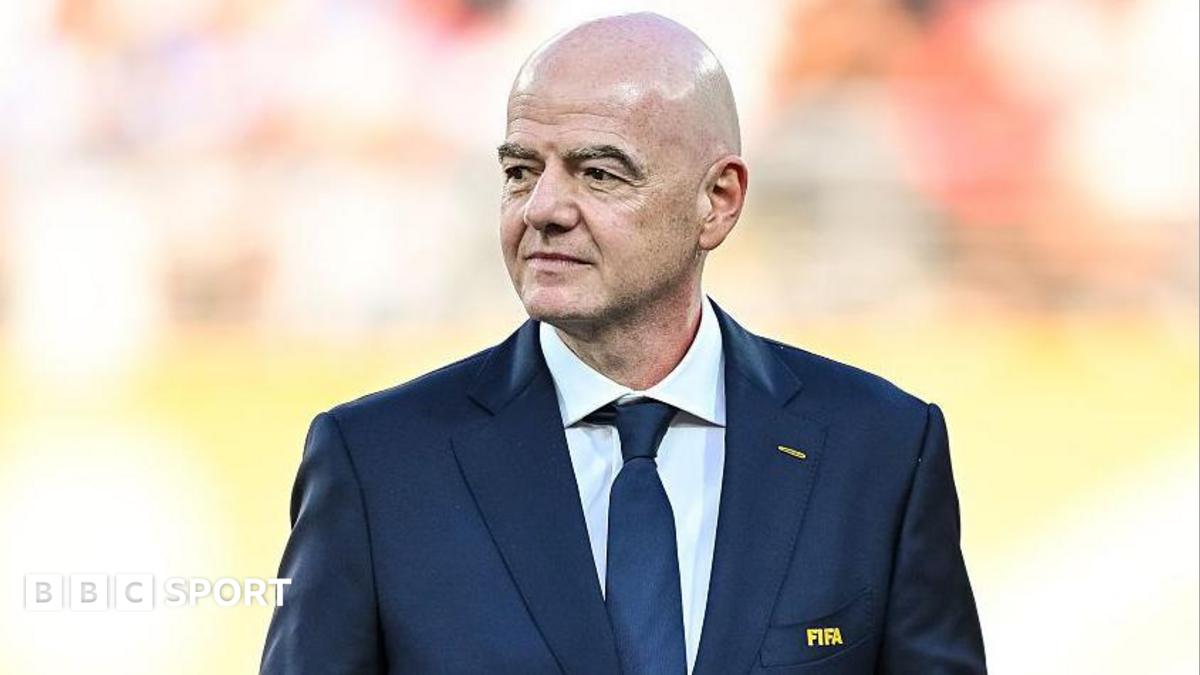
Gianni Infantino has called senior leaders to a meeting this Wednesday to address mounting criticism over his commercialization plans. As the BBC reported, the push to sell off FIFA event operations faces significant internal friction. This moment marks a pivot point for the organization's financial future. If the plan fails, Infantino faces his greatest leadership hurdle to date.
8. The Rise of State-Backed Ownership
The influx of sovereign wealth into Premier League clubs permanently altered the transfer market. High-spending windows became the norm for select clubs, distancing them from mid-table competition. This fiscal acceleration forced leagues to reconsider sustainability rules. The financial disparity remains the single biggest challenge to competitive balance today.
7. The Collapse of the Super League
The 48-hour window where elite clubs attempted to break away from UEFA remains the most embarrassing failure in football administration. Fan protests outside stadiums and government intervention forced a rapid retreat. The project was dead on arrival due to a complete lack of supporter consultation. It serves as a reminder that club culture carries weight even against massive capital.
6. Messi Joining Inter Miami
Lionel Messi moving to Major League Soccer triggered a massive interest spike in North American football. The spectacle of the World Cup winner in a pink kit brought global eyeballs to games that previously lacked international prestige. It proved that one player can influence an entire market's valuation. However, the reliance on a single aging star for league-wide growth carries long-term risks.
5. The Expansion of the Club World Cup
FIFA doubling down on the Club World Cup schedule has drawn the ire of player unions and managers. Adding more games to a congested calendar creates physical burnout for elite athletes. While the revenue potential is high, the quality of play often suffers during the late-season fatigue period. It is a classic case of prioritizing broadcast inventory over human performance.
4. The 2022 World Cup Winter Shift
Moving the tournament to November and December created an unprecedented disruption to domestic league seasons. The change affected fitness levels, recovery times, and the natural flow of European club competitions. While the matches were high quality, the logistical burden on players was immense. It set a precedent for future scheduling that ignores traditional football windows.
3. The Implementation of the 5-Sub Rule
Post-pandemic, the move from three to five substitutes permanently changed tactical depth. Managers can now rotate half an outfield squad to maintain high-press intensity for 90 minutes. This change favors clubs with deeper financial resources and larger rosters. Tactical flexibility is now a requirement rather than a luxury for winning trophies.
2. The UEFA Financial Fair Play Overhaul
The introduction of strict spending caps was designed to stop clubs from hemorrhaging money, yet it has been riddled with loopholes. Many top teams skirt the rules through creative amortization and commercial revenue inflation. Fans are frustrated by legal battles that take years to resolve. A rule system that cannot be enforced consistently loses all credibility.
1. The VAR Communication Transparency Push
The recent decision to allow referees to announce VAR decisions to the stadium and TV audience is a small win for the fans. It provides clarity in a process that often felt like a black box of decision-making. While the system itself remains flawed, at least the intent behind the calls is now public. This is the first step toward genuine accountability in officiating.
Honorable Mentions
The introduction of semi-automated offside technology narrowly missed this list due to its clinical nature. Additionally, the increasing reliance on player tracking data has changed how scouts evaluate talent, making the game more mathematical than ever. Neither quite reaches the impact level of the top ten, but they represent the ongoing digitization of the sport.