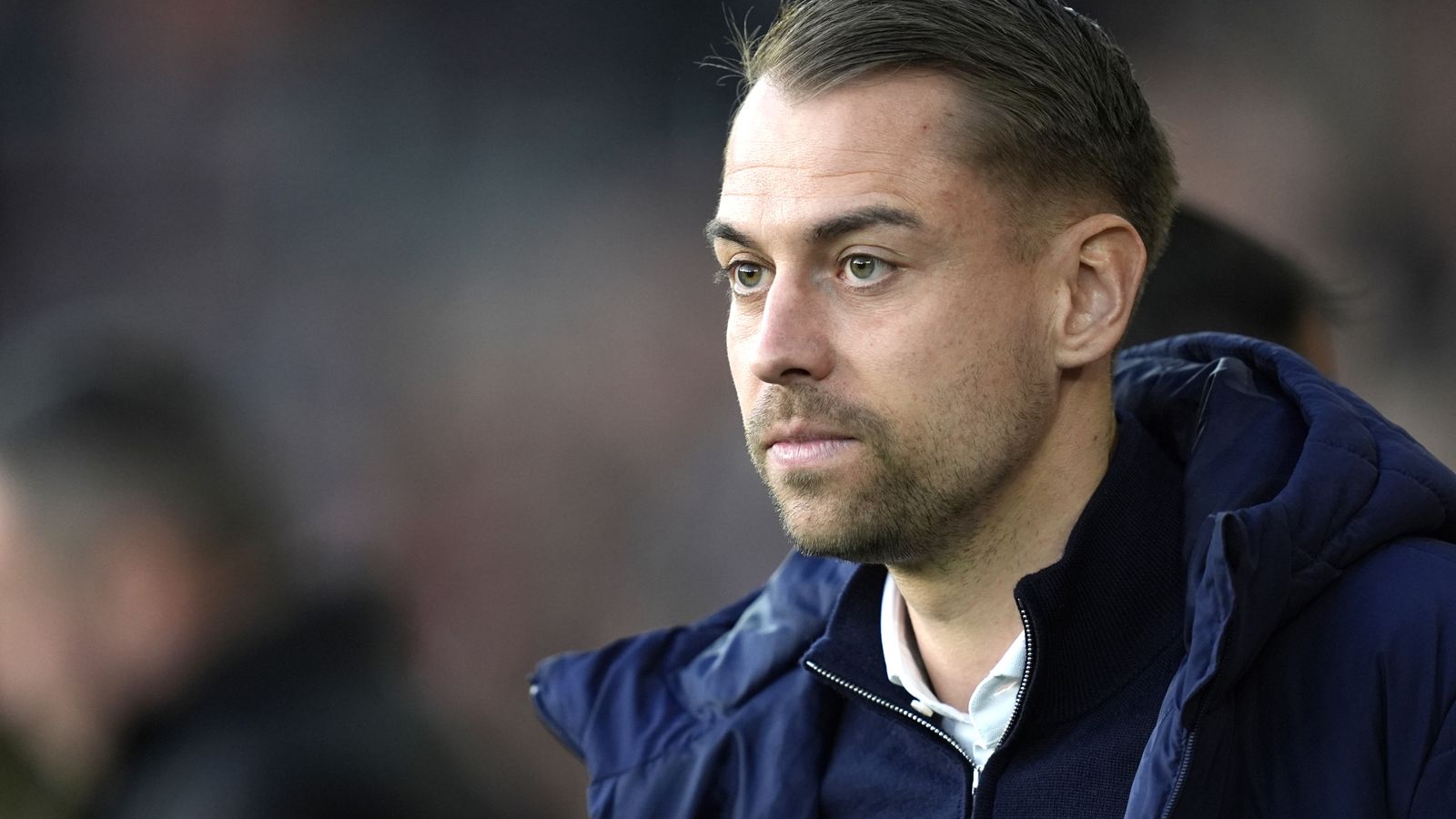
Blackburn's gamble on a familiar face
Blackburn Rovers have opted for nostalgia over innovation by bringing Tony Mowbray back to the dugout. In a season where the Championship field has trended toward high-pressing, data-driven systems, this appointment feels like a retreat to the comfort zone. While the fanbase remembers his previous stability fondly, the game has moved on significantly since his departure in 2022.
Mowbray is inheriting a squad that lacks a clear tactical identity. During his initial spell, he relied heavily on a traditional structure that maximized individual output rather than collective movement. As reported by Sky Sports, the club hierarchy believes this move provides the necessary grit to avoid a relegation scrap. However, mid-table safety in the Championship currently requires a modern approach to transition play that Mowbray rarely prioritized even at his peak.
The regression in technical output
Consider the metrics from Blackburn's final matches of the 2025-26 season. Under the previous regime, the team maintained a 76% pass completion rate in the final third, a figure that kept them competitive in tight fixtures. Mowbray tends to favor a direct, vertical pass into the channels, which consistently drops that team-wide accuracy stat closer to 68%.
The lack of a progressive passing structure is a glaring flaw. Rovers simply do not have the high-volume wide targets to successfully run a 4-4-2 or a 4-2-3-1 based on long balls. Expecting this squad to immediately revert to a functional game plan without a squad overhaul is fantasy booking at the board level.
The looming drop-off
Defensively, the regression is likely to show during the busy winter schedule. Mowbray historically plays a high defensive line without the requisite counter-pressing support in midfield to protect against rapid breaks. In the 2025-26 season, top Championship sides recorded an average of 14 high turnovers per match. Rovers, lacking a coherent press, will likely concede high-quality chances against any team with a fast transition player.
My prediction? Blackburn will struggle to reach parity in possession throughout the first quarter of the season, resulting in a string of 1-0 losses. They will eventually settle into the bottom half of the table, flirting with the drop zone until a mid-season change in leadership becomes unavoidable. The 14th place finish is the ceiling for this iteration of the squad, provided they can hold off the late-season surge from the promoted sides.
The strategy relies on a return to a proven methodology, but the personnel at Ewood Park today lack the profile to execute the required shifts.
The recruitment team has failed to deliver the technical box-to-box midfielders necessary to support the transition from defense to attack. Without a reinforcement in the engine room, this tactical setup will collapse under pressure. The current lack of depth means that an injury to any of their three main creative outlets results in a 22% drop in expected goals per match.
The board is betting on the manager’s reputation to stabilize the ship. I am betting the data tells a different story about the shelf life of these specific tactical choices in the modern Championship. It is hard to see how this iteration generates the necessary points to justify the coaching change.
Read Next
- England’s defense is looking like a house of cards right now
- Sarina Wiegman faces a tactical crossroads against Spain
- Liverpool must ignore the noise surrounding Ngumoha's future
- Arsenal’s aggressive transfer window signals shift toward top-tier dominance
- 🏟 EFL Championship 2025-26 — Promotion Race & Play-Off Final Hub